Last Updated on January 20, 2026 by David
Terrazzo Floors are becoming increasingly appreciated for their remarkable aesthetic charm in numerous UK homes, particularly in properties that embrace period aesthetics and mid-century design. When expertly maintained, these exquisite floors can endure for decades, displaying extraordinary durability and visual appeal. However, neglecting their upkeep may lead to various challenges, such as dullness, patchiness, uneven surfaces, or an overall tired appearance that detracts from their natural beauty.
Are you uncertain about the precise maintenance requirements for your terrazzo floor? You are certainly not alone in feeling this way. Many homeowners struggle with the anxiety of making incorrect decisions that could worsen existing problems. It is vital to take your time and avoid hasty choices. This page serves as a comprehensive resource on terrazzo floors in UK homes, detailing what terrazzo is, the reasons behind common issues, and how cleaning, polishing, and restoration differ. Equipped with this knowledge, you can make informed decisions tailored specifically to your flooring needs.
This guide provides extensive insights into the composition of terrazzo, the reasons behind frequent problems, and the most effective types of assistance available at various stages of your floor’s maintenance, from routine cleaning to extensive restoration.
Discover the Distinctive Features of Terrazzo Flooring in UK Homes
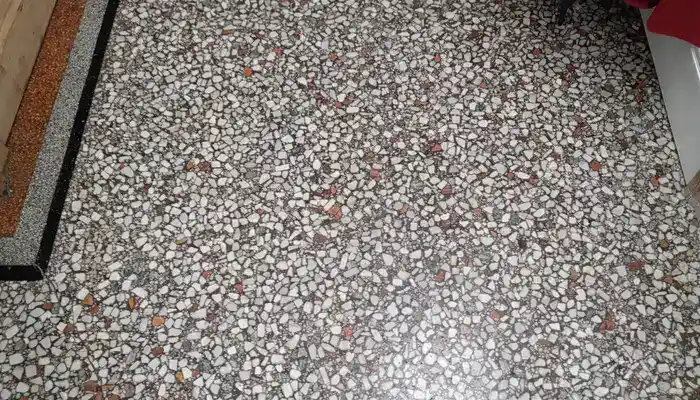
Most terrazzo floors found in UK homes are constructed using a traditional cement base. Decorative components, commonly made from materials such as marble, granite, glass, or even shells, are embedded within a cement binder and ground down to create a smooth finish. This combination not only yields a visually stunning floor but also guarantees exceptional durability and longevity, making terrazzo a perfect choice for both aesthetic appeal and practical use.
If your interest in terrazzo leans more towards its design and aesthetic aspects rather than repair or maintenance, you may find this resource valuable: Terrazzo flooring inspiration for UK homes, which showcases various design possibilities that can enhance the character of your living space.
Why Do Terrazzo Floors Dull and Become Patchy Over Time?
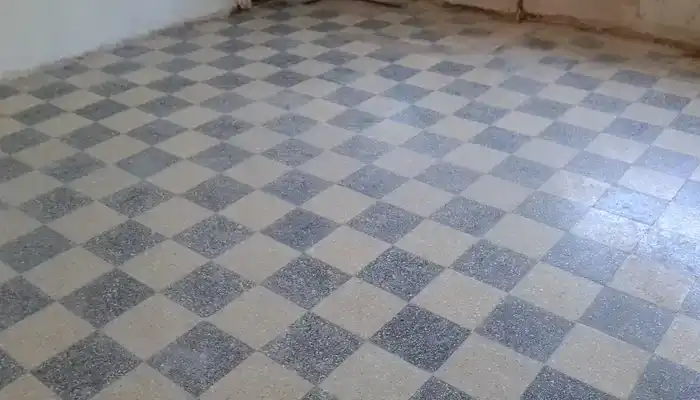
Numerous homeowners notice a range of issues with their terrazzo flooring, including a marked loss of shine, the appearance of darker walking paths, and stains left behind from the removal of carpets or vinyl. Furthermore, cracks may develop, previous repairs might become apparent, and slight unevenness can be felt underfoot, all contributing to a less-than-ideal visual presentation. These factors can create an unwelcoming atmosphere and diminish the overall attractiveness of your space.
If you seek a comprehensive overview of the subtle issues that can gradually harm terrazzo flooring over time, we highly recommend reading this article: The hidden threats to terrazzo floors, which highlights potential problems and their impact on the longevity of your flooring.
How Can You Differentiate Between Cleaning, Polishing, and Restoration for Terrazzo Floors?
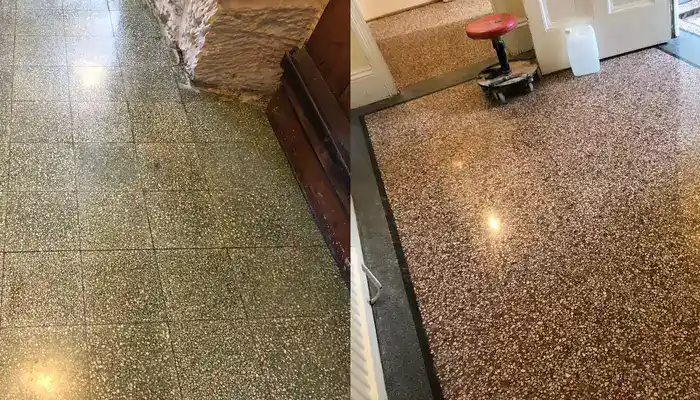
What Steps Are Involved in the Cleaning Process for Terrazzo Floors?
Cleaning plays a vital role in maintaining the appearance of your terrazzo floor, as it effectively eliminates surface dirt, dust, and residues that accumulate over time. This routine practice is essential for ongoing care, although it does not address wear or damage that may have developed throughout its lifespan. Regular cleaning can help preserve the floor’s aesthetic charm and extend its life significantly.
If you are concerned about the safety of everyday cleaning products on your terrazzo floor, it is advisable to start with this informative guide: Is it safe to use off-the-shelf cleaners on terrazzo?, which provides valuable insights into suitable cleaning options that will not compromise your flooring’s integrity.
For those who wish to select an appropriate cleaner and have realistic expectations, this article outlines the limitations of what “deep cleaning” can actually achieve: Choosing a terrazzo cleaning product, helping you make educated decisions regarding your cleaning regimen for optimal results.
What Is the Purpose of Polishing, and How Can It Enhance Surface Appearance?
Polishing is a process that significantly enhances the appearance of terrazzo floors, but the results can vary widely depending on the techniques employed. Achieving a satisfactory finish requires an understanding of the range of polishing methods available to ensure the best possible outcome. Different levels of polishing can restore shine and clarity to your floor, making it look fresh, inviting, and visually appealing.
If you wish to grasp the full potential of professional polishing, this comprehensive homeowner’s guide clarifies what to expect: A homeowner’s guide to terrazzo polishing, which outlines the benefits and processes involved in achieving a superior finish.
What Does the Restoration Process Involve, and Why Is It Crucial?
Restoration is a more extensive approach that addresses the worn surface of the terrazzo flooring, allowing it to be levelled, repaired, and refinished correctly. This process is particularly essential when the floor has undergone significant wear or damage, as it can revive the original beauty and functionality of the surface, making it look as good as new.
If you are unsure whether your floor requires polishing or more extensive restoration work, this informative article clearly delineates the differences: Grinding vs polishing: what actually changes, providing crucial insights into the necessary steps for your flooring’s care and maintenance.
Addressing Common Misconceptions About Terrazzo Floors
Terrazzo is often surrounded by misconceptions, leading to misguided advice and ultimately disappointing outcomes for homeowners seeking to maintain their floors effectively.
- “It just needs a really good clean.” While thorough cleaning can help improve the floor’s appearance, it cannot reverse the wear or damage that has already occurred over time, requiring more than just surface cleaning.
- “If it’s shiny, it must be restored.” The presence of shine does not necessarily indicate that the surface has been adequately corrected or restored to its original condition, as appearances can be deceiving.
- “Sealing fixes everything.” Although sealers can help manage the absorption of spills and stains, they do not remedy wear or damage present on the surface, and relying solely on sealing can lead to further issues.
If you are contemplating whether to use waxes or sealants for your terrazzo floor, this guide explains which option is most appropriate: wax vs. sealant for terrazzo floors, helping you make an informed decision based on facts and recommendations.
Exploring Various Finish Options for Terrazzo Flooring
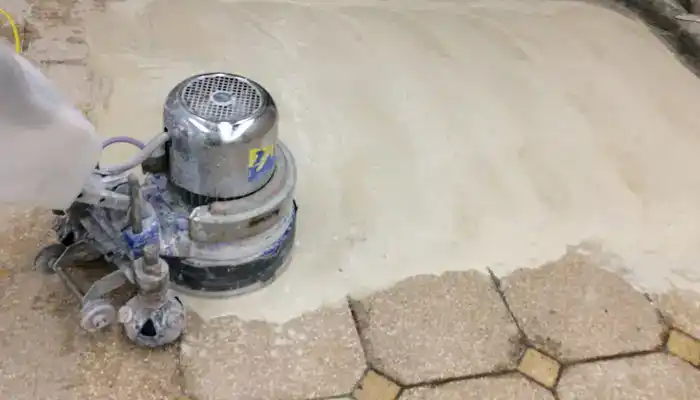
- Matt / Honed Finish
- Satin Finish
- Polished Finish
If your primary objective is to restore the shine to your terrazzo floors, this article discusses what is realistically achievable and the expectations you should have regarding the outcome of your efforts.
Showcasing Real-Life Examples of Successful Terrazzo Restoration Projects
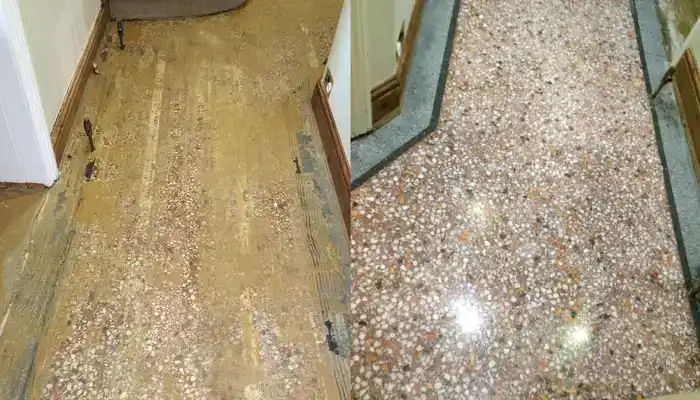
Observing actual restoration projects can often illuminate the common issues faced by terrazzo floors and the effective methods employed to resolve them. These examples highlight the types of challenges terrazzo flooring may encounter and demonstrate how they can be effectively remedied, restoring both beauty and functionality to your surfaces.
- Hidden terrazzo floor restored after lifting coverings
- Terrazzo hallway polishing and repair
- Comprehensive terrazzo floor repairs and resurfacing
- Older terrazzo floor restored in just one day
What Further Insights Should You Explore Regarding Terrazzo Flooring?
This page serves as a primary resource for terrazzo flooring for UK homeowners, linking to more comprehensive explanations and real-life examples of restoration as needed. You can utilise the links above to explore topics that are most relevant to you — whether it is maintaining terrazzo safely, understanding the outcomes of polishing, determining whether restoration is necessary, or viewing real-world examples of similar flooring.
About the Author: David Allen has over 25 years of extensive experience working with terrazzo and other traditional floor finishes in UK homes. He emphasises thorough assessment, honest advice, and long-lasting results rather than quick cosmetic fixes, ensuring homeowners receive the best possible care for their flooring.
If you are seeking professional assistance regarding your own floor, you can arrange a terrazzo assessment to receive clear guidance based on its current condition, ensuring you are not relying on assumptions but rather informed decisions.
The article Terrazzo Floors in UK Homes: Care, Polishing & Restoration Explained was originally published on https://www.abbeyfloorcare.co.uk
The Article Terrazzo Floors: Care, Polishing and Restoration in UK Homes appeared first on https://fabritec.org
The Article Terrazzo Floors Care and Restoration for UK Homes Was Found On https://limitsofstrategy.com