Maximise Your Trading Success with Comprehensive Insights into Take-Profit Orders
What Are the Core Features of a Take-Profit Order?


A take-profit order serves as an essential trading tool that automates the sale of an asset when its price reaches a predetermined threshold. This strategic mechanism is vital for traders seeking to secure profits while alleviating the emotional strain often linked to the unpredictable nature of cryptocurrency markets. For instance, if a trader acquires Bitcoin at $30,000 and sets a take-profit order at $35,000, the order activates automatically when the price reaches that target. This approach enables traders to secure their profits without the constant need to monitor market changes. To grasp the intricacies of take-profit orders thoroughly, it is crucial to understand several key aspects:
- Predetermined Price Level: This is the exact price point where the execution of the order takes place.
- Market Conditions: Various dynamic elements that influence price shifts.
- Order Types: Different execution methods, including limit and market orders.
- Trader’s Strategy: Ensuring that the order aligns with the trader's overall trading objectives and risk appetite.
Comprehending these components is fundamental for formulating effective trading strategies, allowing traders to manage their positions without being glued to their screens.
What Are the Essential Steps in Setting Up Take-Profit Orders?
To successfully establish a take-profit order, traders need to select specific price levels and order types that correspond with their trading goals. Various order types, including limit orders and stop-limit orders, can be customised to suit the trader’s strategic objectives. By defining a clear target price, traders can automate their exit strategies, enabling them to redirect their focus towards other opportunities without the anxiety of potentially missing out on profits. Typically, these orders integrate seamlessly into popular exchange platforms, making the execution process straightforward.
The establishment of take-profit orders entails a meticulous analysis of historical price data alongside the current market conditions to identify achievable price targets. Traders often employ technical analysis methods, using indicators like Moving Averages and Fibonacci retracement levels to inform their decisions. This careful evaluation ensures that take-profit levels are both realistic and strategically positioned within the current market context.
What Advantages Do Traders Experience with Take-Profit Orders?
Incorporating take-profit orders into trading strategies offers numerous advantages, particularly in the fast-moving environment of cryptocurrency trading. One of the primary benefits is the ability to limit potential losses arising from market fluctuations, which is crucial in the dynamic world of digital assets. By automating sales at predetermined prices, traders can maintain a disciplined approach, effectively preventing impulsive reactions to market volatility.
Moreover, these mechanisms improve overall portfolio performance by fostering a structured method for profit-taking. As traders consistently secure profits, they contribute to the growth and stability of their portfolios. This structured approach not only builds trader confidence but also enables the pursuit of long-term objectives without the persistent worry associated with price volatility.
How Do Take-Profit Orders Function Within Trading Frameworks?

What Are the Key Mechanics Behind Take-Profit Order Execution?
Take-profit orders are executed based on specific pre-set conditions, primarily focusing on designated price thresholds. When a trader establishes a take-profit order, they specify a target price that triggers an automatic sale once reached. This functionality proves especially beneficial during periods of heightened volatility, where market conditions can shift rapidly. For example, during significant events such as major cryptocurrency announcements or regulatory updates, prices may vary dramatically, making it challenging for traders to react promptly.
By utilising a take-profit order, traders can uphold the integrity of their strategies without the risk of oversight in high-pressure situations. The order executes automatically, guaranteeing that profits are secured at the desired level. This feature simplifies trading processes and reinforces adherence to planned trading strategies.
Why Is Timing of the Essence in Executing Take-Profit Orders?
Timing is crucial in determining the effectiveness of a take-profit order, directly influencing when the order is activated. A well-timed order can significantly enhance potential returns by aligning with market trends and the trader’s expectations. Understanding the nuances of market timing necessitates careful analysis of elements such as price action and volume trends.
For instance, if a trader sets a take-profit order during a period of low trading volume, they risk the order not being filled as expected, especially in a volatile market. Conversely, placing an order during peak trading hours may yield more favourable outcomes. Therefore, traders must develop a keen sense of timing, supported by analysis and experience, to optimise their trading results across various scenarios.
How Can Traders Effectively Integrate Take-Profit Orders with Other Trading Strategies?
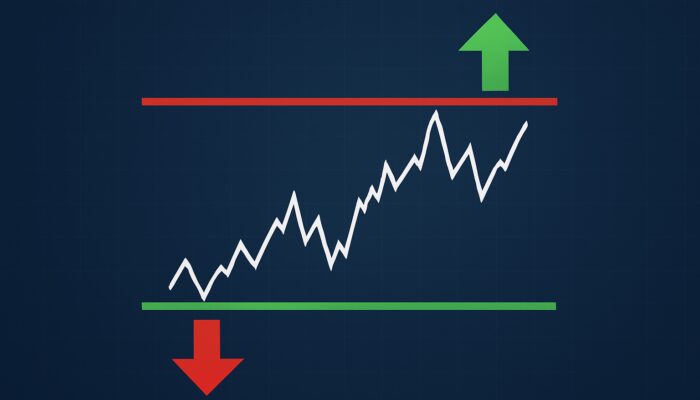
Effectively merging take-profit orders with other risk management tools, such as stop-loss orders, creates a well-rounded trading strategy. This integration promotes a balanced approach, fostering long-term trading success by enabling coordinated automated responses to market fluctuations. For example, a trader might set a take-profit order slightly above a resistance level while simultaneously placing a stop-loss order below a support level.
This dual strategy empowers traders to maximise profits while safeguarding against potential losses. By clearly defining acceptable risk and reward thresholds, traders can navigate volatile markets with greater effectiveness. Furthermore, combining these orders encourages a disciplined mindset, allowing traders to adhere to their strategies without succumbing to emotional decision-making.
How Should Traders Adjust Take-Profit Orders in Response to Market Dynamics?
To ensure their effectiveness, take-profit orders must remain flexible and responsive to shifting market conditions. As traders obtain new insights and data, they should reassess their take-profit levels and adjust parameters as needed. This adaptability not only enhances the efficacy of the orders but also mitigates risks associated with outdated strategies, which can negatively impact performance.
For example, if a trader initially sets a take-profit order based on a specific market trend, any new information suggesting a shift in market dynamics would require a reevaluation of that order to align with the updated landscape. By staying attuned to market fluctuations and adjusting orders as necessary, traders can optimise their strategies and improve their overall results.
Insights from Experts on the Role of Take-Profit Orders in Cryptocurrency Trading
What Advanced Features Can Seasoned Traders Leverage?
Experienced traders can benefit from advanced features when customising take-profit orders to refine their trading strategies. These features may encompass sophisticated order types such as trailing stop orders, which allow for dynamic adjustments to the take-profit level as the asset price increases. This mechanism enables traders to secure additional profits if the price continues to rise, thereby maximising potential gains.
Implementing such strategies requires a comprehensive understanding of market movements and price behaviour. For instance, a trader could establish a trailing stop order at a particular percentage below the market price, allowing for increased upside potential while still locking in profits if the market shifts. To optimise these orders, seasoned traders often recommend conducting backtesting and analysing historical data to assess how different configurations would have performed under varying market conditions.
By utilising these advanced features, experienced traders can enhance their profitability and execute more sophisticated trading strategies that align with their objectives. Practical examples of parameter adjustments may include altering the trailing stop distance based on recent volatility metrics, enabling traders to adapt more fluidly to market changes.
What Common Pitfalls Should Traders Be Aware Of?
Despite the numerous benefits associated with take-profit orders, traders must remain vigilant against common mistakes that can undermine their effectiveness. One prevalent issue is improper price settings, which may lead to missed opportunities. For example, positioning a take-profit order too close to the market price can result in premature execution, preventing traders from capitalising on further price movements.
To avoid these pitfalls, thorough testing and analysis are essential. Traders should leverage historical data to simulate various scenarios, enabling them to evaluate the potential success of their take-profit levels. Additionally, being cognisant of market conditions and external factors, such as news events or economic indicators, can inform more reliable order settings.
Ultimately, avoiding these common errors requires a proactive trading approach. By continually evaluating and refining their strategies, traders can improve their performance and evade pitfalls that often lead to suboptimal outcomes.
How Do Take-Profit Orders Enrich Overall Trading Strategies?
Utilising take-profit orders enhances trading strategies by enabling precise profit targeting, as highlighted by expert perspectives. By integrating data-driven decisions into their trading frameworks, traders can fortify their overall strategies and support consistent gains. This precision stems from the ability to set specific profit targets based on thorough market analysis and risk assessments.
For instance, a trader may analyse chart patterns and price levels to identify the optimal point for placing a take-profit order. By aligning this with historical performance data, the trader increases the likelihood of achieving their profit objectives. This analytical approach fosters confidence and diminishes emotional decision-making, allowing traders to focus on executing their strategies rather than reacting impulsively to market fluctuations.
The incorporation of take-profit orders also encourages strategic planning, as traders must evaluate not only their entry points but also their exit strategies. This comprehensive approach to trade management cultivates a disciplined mindset, ultimately leading to improved trading outcomes over time.
Effective Strategies for Implementing Take-Profit Orders in Cryptocurrency Trading
What Methods Are Successful for Setting Price Levels?
Establishing effective price levels for take-profit orders requires a combination of historical data analysis and an assessment of current market trends. Traders can utilise various methodologies, including technical analysis tools such as support and resistance levels, Fibonacci retracement, and trend lines. These techniques assist in identifying realistic and strategic take-profit prices that align with prevailing market dynamics.
For example, a trader might examine a cryptocurrency's recent price history to identify significant resistance levels where price reversals have previously taken place. By setting a take-profit order just below this level, they can enhance the likelihood of successfully locking in profits before potential price declines. This deliberate approach empowers traders to achieve their desired outcomes through methodical planning and execution.
Additionally, traders should consider adopting a tiered approach to take-profit orders, whereby multiple orders are established at various price points. This strategy offers greater flexibility in capturing profits as prices move favourably, ensuring that traders can benefit from diverse market conditions while adhering to their overarching risk management frameworks.
What Factors Are Vital for the Success of Take-Profit Orders?
Several factors can significantly influence the success of take-profit orders, with market volatility and order placement being among the most critical. The cryptocurrency market is notoriously volatile, characterised by rapid price fluctuations that can dramatically impact trading outcomes. A well-placed take-profit order must account for these volatility levels to be effective.
Another important consideration is the timing and method of order placement. Setting take-profit orders during periods of heightened market activity may improve the chances of their execution. Furthermore, traders should evaluate broader market sentiment and external influences that could affect price movements, such as regulatory announcements or macroeconomic indicators. By incorporating these elements into their trading strategies, traders can better align their take-profit mechanisms with shifting market conditions, ultimately enhancing their results.
Moreover, traders must remain adaptable, regularly reassessing their strategies to accommodate changing factors. Maintaining a flexible approach enables traders to respond effectively to market dynamics, allowing them to fine-tune their take-profit orders in line with current conditions.
How Should Traders Continuously Monitor and Adjust Their Take-Profit Orders?
Consistent monitoring and adjustment of take-profit orders is crucial to ensure they remain relevant and effective. As market conditions evolve, traders must be prepared to modify their orders in response to new information and trends. This proactive strategy not only safeguards investments but also increases the likelihood of securing profits.
Best practices for modifying take-profit orders include:
- Review Performance Metrics: Regularly analyse past trades to determine which take-profit levels yielded the best results.
- Adapt to Market Trends: Stay updated on market news and trends that may influence price movements.
- Set Alerts: Utilise trading alerts to notify you of significant price changes, prompting a review of existing orders.
- Employ Technical Indicators: Use these tools to identify the optimal timing for adjusting take-profit levels based on market signals.
By incorporating these practices, traders can enhance their strategies while ensuring their take-profit orders remain aligned with their evolving trading objectives.
What Are the Main Benefits of Using Take-Profit Orders?
How Do They Reduce Emotional Trading Responses?
One of the most significant advantages of employing take-profit orders is their ability to minimise emotional trading. By automating the sale of assets at predefined prices, traders can lessen impulsive decisions driven by fear or greed. This automation empowers traders to maintain discipline and focus on long-term goals rather than reacting to short-term market fluctuations.
For instance, during periods of heightened volatility, traders may feel compelled to act quickly, often leading to less-than-optimal decisions. Having a take-profit order in place alleviates the emotional burden of market changes, ensuring that trading decisions remain consistent with established strategies. This disciplined approach fosters a more systematic methodology, ultimately producing more favourable outcomes.
Furthermore, minimising emotional trading through automation promotes a more sustainable trading practice. Traders can develop resilience by adhering to their plans without being swayed by fleeting market trends or irrational fears, thereby supporting consistent success over time.
What Are the Practical Advantages of Take-Profit Orders?
The practical benefits of take-profit orders extend beyond emotional regulation; they also enhance security and efficiency in trading. By streamlining the process of locking in profits, take-profit orders protect investments from unexpected downturns while encouraging strategic growth. This efficiency is particularly advantageous in the rapidly changing cryptocurrency market, where prices can fluctuate dramatically within moments.
Moreover, take-profit orders allow traders to focus on comprehensive market analysis and strategy refinement rather than being consumed by continuous price monitoring. This streamlined workflow increases productivity and fosters an environment conducive to making informed, strategic decisions. Traders can allocate their time and resources to the more critical aspects of their trading strategies, ultimately improving overall performance.
Additionally, the security afforded by take-profit orders helps traders safeguard their gains. By locking in profits at predetermined levels, they create a buffer against market volatility, preventing potential losses from eroding their hard-earned profits.
What Is the Long-Term Influence of Take-Profit Orders on Trading Portfolios?
The long-term impacts of take-profit orders on trading portfolios are significant. By consistently securing profits through automated sales, traders can stimulate portfolio growth and stability, fostering resilience to withstand market challenges. This systematic approach encourages traders to develop and implement robust trading plans that prioritise risk management and profit-taking strategies.
As traders continuously secure profits, they can reinvest those gains into their portfolios, leading to compounding growth over time. This growth is essential for establishing a diversified and balanced portfolio, enabling traders to navigate fluctuating market conditions with confidence.
Furthermore, the disciplined use of take-profit orders cultivates a strategic mindset among traders, motivating them to continually refine their strategies. This proactive approach contributes to long-term success as traders learn from their experiences and adapt their methods accordingly, resulting in a well-rounded and resilient trading portfolio.
What Common Mistakes Should Traders Avoid for Success?
Why Is It Essential to Understand Different Order Types?
One of the most frequent errors traders make is neglecting the various types of take-profit orders available. Each order type serves a unique purpose and can significantly influence trading outcomes. For example, failing to distinguish between limit orders and market orders may result in suboptimal execution and missed profit opportunities. Understanding the intricacies of each order type is crucial for maximising trading effectiveness.
Traders should prioritise familiarising themselves with the different variations of take-profit orders to ensure they select the most suitable type for their strategies. Dedicating time to comprehend these options can help prevent costly mistakes and enhance overall trading success.
What Are the Risks Associated with Insufficient Planning?
Insufficient planning regarding take-profit orders can severely impact trading outcomes. For example, failing to establish a realistic target price may lead to orders triggering too early, resulting in diminished gains. Inadequate preparation can also prompt unplanned emotional trading decisions, undermining the fundamental purpose of using take-profit orders.
Consequently, meticulous planning is of utmost importance. Traders should engage in comprehensive analysis and backtesting to validate their take-profit levels, ensuring that they are realistic and achievable. This level of preparation mitigates risks and enhances the likelihood of successful trading outcomes.
How to Integrate Take-Profit Orders with Comprehensive Risk Management?
Ensuring that take-profit orders complement an overall risk management strategy is essential for successful trading. Imbalances in risk management can undermine the effectiveness of take-profit orders, potentially leading to costly mistakes. Traders need to strike a balance between securing profits and effectively managing potential losses.
Integrating take-profit orders with other risk management tools, such as stop-loss orders, can help create a more comprehensive strategy. By defining a clear risk-reward ratio, traders can optimise their potential returns while mitigating the risks associated with market volatility.
Regularly reviewing and adjusting the overall trading strategy is also crucial for maintaining this balance. As market conditions evolve, traders must be ready to modify their approach to ensure their take-profit orders remain aligned with their risk management objectives.
Why Is It Important for Traders to Recognise Market Volatility?
Traders often underestimate the effect of market volatility on their take-profit orders, leading to unexpected losses. Ignoring volatility can result in take-profit levels that do not account for sudden price fluctuations, leaving traders vulnerable to adverse market movements.
To safeguard against these risks, traders should closely monitor market conditions and adjust their take-profit orders as necessary. Being aware of upcoming events, such as major announcements or economic reports, provides insight into potential volatility that may affect price movements. By remaining vigilant and adapting their strategies based on current market dynamics, traders can optimise their take-profit orders and effectively protect their investments.
Frequently Asked Questions Regarding Take-Profit Orders
What Is a Take-Profit Order in Cryptocurrency Trading?
A take-profit order is an automated instruction to sell a cryptocurrency at a predefined price, allowing traders to secure profits without the need for constant market monitoring.
How Can I Establish a Take-Profit Order on My Trading Platform?
Setting a take-profit order involves selecting a target price on your trading platform at which you wish to automatically sell the asset, based on your trading objectives and analysis.
Is It Possible to Combine Take-Profit Orders with Stop-Loss Orders for Enhanced Risk Management?
Yes, take-profit orders can be effectively integrated with stop-loss orders to improve risk management and optimise your overall trading strategy.
What Benefits Are Associated with Using a Take-Profit Order?
Benefits include securing profits, minimising emotional trading, and facilitating disciplined trading strategies that can lead to long-term growth in your portfolio.
When Should I Consider Adjusting My Take-Profit Order?
You should consider modifying your take-profit order in response to changing market conditions, new data, or significant price movements to ensure it remains relevant and effective.
What Common Errors Should I Be Mindful Of When Setting Take-Profit Orders?
Common mistakes include improper pricing, overlooking different order types, and failing to integrate them into comprehensive risk management strategies.
How Does Market Volatility Impact the Effectiveness of Take-Profit Orders?
Market volatility can lead to unexpected price movements, potentially triggering take-profit orders too early or causing them to miss profitable opportunities.
Can I Manually Override a Take-Profit Order if Required?
Yes, you can manually override a take-profit order by cancelling it or adjusting the target price if market conditions change or your trading strategy evolves.
What Tools Can Assist Me in Optimising My Take-Profit Orders?
Tools such as technical analysis indicators, historical data analysis, and trading journals can help you assess optimal take-profit levels and refine your strategies.
How Can I Minimise Emotional Trading When Using Take-Profit Orders?
Setting take-profit orders automates profit-taking, reducing the need for immediate emotional responses to market changes and encouraging a disciplined trading approach.
Connect with Us on Facebook for More Insights!
The Article Take-Profit Order Explained in Crypto Trading Was Found On https://limitsofstrategy.com
The Article Take-Profit Order in Crypto Trading: A Clear Explanation found first on https://electroquench.com