Unlock the Power of Simple Moving Averages for Enhanced Cryptocurrency Trading
What Is a Simple Moving Average (SMA) and How Does It Function in Cryptocurrency Markets?
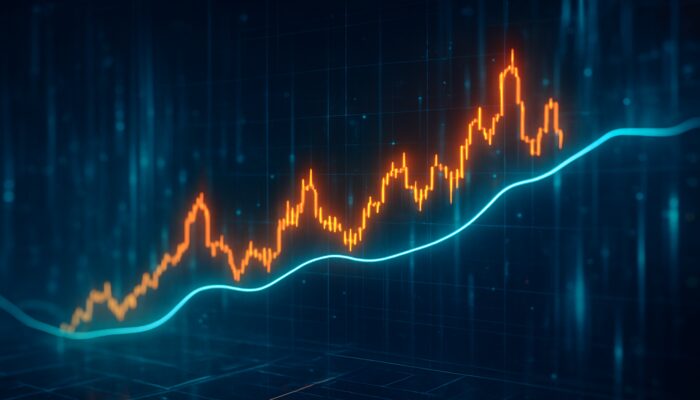
The Simple Moving Average (SMA) represents a crucial analytical tool within the sphere of cryptocurrency trading. It calculates the average price of a cryptocurrency across a specified time frame, effectively smoothing out transient price fluctuations. This averaging technique not only clarifies price trends for traders but also aids in making informed trading decisions. For anyone aiming to navigate the complex waters of the cryptocurrency market, a robust understanding of the intricacies surrounding the SMA is essential, as it serves as the foundation for many analytical strategies employed by traders.
Key Elements for Configuring Your SMA to Achieve Optimal Results
Establishing an effective SMA hinges on understanding two fundamental aspects: period selection and data sources. Traders must thoughtfully choose an appropriate time frame for their SMA, which can vary from shorter periods, such as 10 or 20 days, to longer spans of 50 days or beyond. Additionally, it is imperative to use accurate and relevant market data when calculating the average, as this data supports sound trading methodologies. A well-crafted strategy that considers these elements can significantly enhance trading outcomes and improve one’s ability to interpret shifting market conditions effectively.
How Can You Analyse SMA Signals for Informed Trading Decisions?
The SMA offers vital insights that can indicate potential buy or sell opportunities based on its relationship with current price levels. When the price rises above the SMA, it often signifies a buying opportunity; conversely, a price drop below the SMA may indicate a selling opportunity. Mastering the analysis of these signals on price charts is critical for traders aspiring to succeed in their trading pursuits. This skill empowers them to make timely decisions rooted in market behaviour and trends.
Understanding the Importance of SMA in Market Analysis
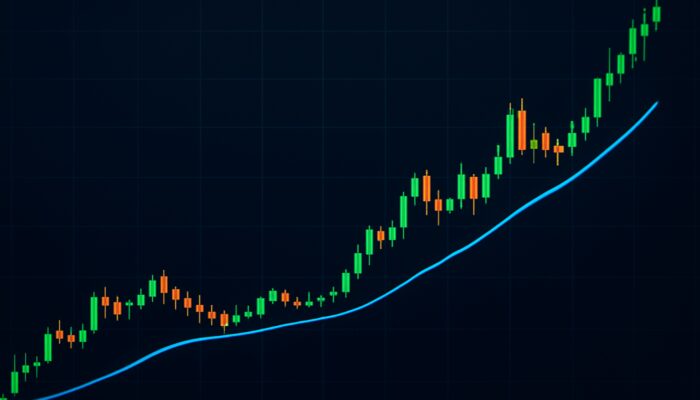
The Essential Role of SMA in Thorough Market Trend Analysis
The SMA plays an integral role in market analysis by filtering out the noise produced by temporary price fluctuations. This ability allows traders to uncover the underlying trends that truly matter. The SMA thus stands out as an indispensable resource for traders who wish to make informed, data-driven decisions within the dynamically shifting cryptocurrency markets. A comprehensive grasp of the broader market dynamics enables traders to strategically position themselves, capitalising on emerging trends while mitigating risks linked to price volatility.
Dispelling Common Misunderstandings About the SMA
Many traders fall prey to common misconceptions surrounding the SMA, which can hinder their trading effectiveness. Some of the most prevalent myths include:
- The mistaken belief that the SMA guarantees profits.
- The assumption that it is effective in every market condition.
- The idea that shorter periods are always the best option.
- The misconception that the SMA can solely dictate trading decisions.
By recognising and addressing these misunderstandings, traders can utilise the SMA more effectively, fostering a balanced trading strategy that incorporates a range of indicators and analytical techniques.
What Influences the Efficacy of SMA in Trading?
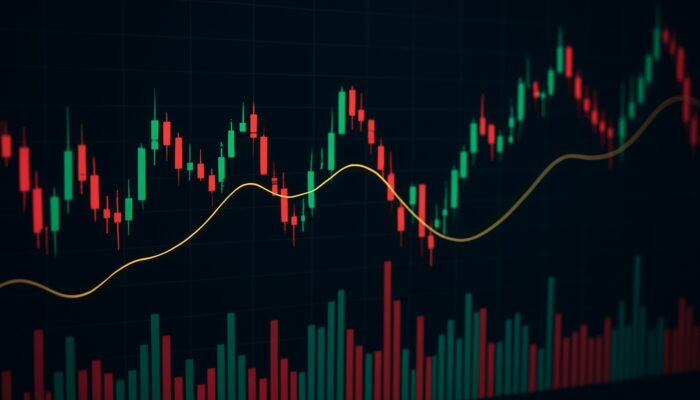
Multiple factors can significantly affect the effectiveness of an SMA, including market volatility, trading volume, and the specific time frame selected. Heightened market volatility can lead to misleading signals, while lower trading volumes may hinder prompt trend recognition, complicating timely decision-making for traders. It is crucial for traders to remain aware of these influential factors as they incorporate the SMA into their analytical frameworks, ensuring that their strategies are well-suited to prevailing market conditions.
How Can You Accurately Calculate the SMA to Meet Your Trading Needs?
The calculation of the SMA is a straightforward process that adheres to a specific formula: the total of prices over a defined number of periods divided by the count of those periods. For instance, when a trader evaluates a 5-day SMA with closing prices of $10, $12, $11, $13, and $14 over those five days, the SMA calculation would proceed as follows:
($10 + $12 + $11 + $13 + $14) / 5 = $12
This calculation method enables traders to visualise market trends and make well-informed trading decisions based on average price behaviours, thereby improving the overall effectiveness of their trading strategies.
Expert Strategies for Maximising the Use of SMA in Cryptocurrency Trading
What Advanced Techniques Can Improve Your SMA Effectiveness?
Traders can significantly enhance their use of the SMA by integrating it with other analytical methods, such as the Relative Strength Index (RSI) or Moving Average Convergence Divergence (MACD). For example, using an SMA in conjunction with the RSI can help validate entry and exit points, leading to strategic and informed trading decisions that account for current market conditions.
What Challenges Might You Encounter When Implementing SMA in Professional Trading?
Employing the SMA in a professional trading environment introduces its own set of challenges, particularly regarding market noise and the risk of generating erroneous signals. To overcome these challenges, traders should supplement their analyses with additional indicators for confirmation, establish robust risk management practices, and backtest their strategies to enhance performance across diverse market environments.
What Advantages Can Traders Gain from Expert Insights on SMA?
Experts underscore numerous benefits associated with the proficient use of the SMA in trading. For instance, traders who consistently incorporate the SMA into their strategies often report higher success rates in identifying lucrative trades, particularly within trending markets. This practical application highlights the SMA’s importance as a vital component of a trader’s toolkit, significantly enhancing overall trading effectiveness and decision-making capabilities.
A Comprehensive Guide to Calculating SMA
Step-by-Step Instructions for Accurately Computing SMA
To manually calculate the SMA, follow these organised steps: First, determine the time frame for your moving average. Next, gather the closing prices for that specific period. Finally, sum these prices and divide by the number of periods. This systematic approach ensures that your calculations remain precise, which is vital for successful trading.
Why Is Precision Crucial in SMA Calculations?
Accuracy in SMA calculations is essential for obtaining reliable trading results. A minor error in data can lead to misleading signals that negatively impact trading decisions. To ensure precision, traders can utilise verification tools such as spreadsheets or trading software with integrated SMA functions, facilitating swift cross-checking of results.
- Spreadsheet tools (Excel, Google Sheets)
- Trading platforms (MetaTrader, TradingView)
- Financial calculators specifically designed for trading
- Online SMA calculation tools
What Variations Exist in Methods of Calculating SMA?
While the standard SMA is relatively straightforward, variations such as the Weighted Moving Average (WMA) and Exponential Moving Average (EMA) provide alternative approaches. These alternatives place greater emphasis on recent prices, potentially yielding quicker signals in rapidly evolving market conditions. Consequently, they can enhance trading strategies, allowing for more timely responses to price fluctuations.
Research-Backed Advantages of Implementing SMA in Cryptocurrency Trading
How Does SMA Improve Your Trading Decisions?
Research indicates that the SMA significantly enhances the quality of trading decisions by improving the accuracy of trend predictions. By analysing historical price movements, traders can identify patterns that increase the likelihood of successful trades. This analytical framework provides traders with a competitive edge in the unpredictable arena of cryptocurrency markets, empowering them to strategise based on verified data.
What Key Benefits Are Supported by Research Findings?
Studies reveal that the SMA plays a pivotal role in effective risk management. Traders who incorporate SMAs into their strategies frequently experience reduced drawdowns and improved risk-adjusted returns. This insight underscores the importance of integrating the SMA into a comprehensive trading strategy to optimise performance and minimise potential losses.
What Long-Term Advantages Does Implementing SMA Offer?
Consistent application of the SMA has demonstrated significant long-term benefits in achieving trading success. Traders who adhere to SMA-driven strategies often report sustained profitability and improved decision-making over time. This trend reinforces the SMA’s status as a crucial tool within a trader’s arsenal for effectively navigating the complexities of crypto markets.
Exploring Advanced Applications of SMA in Trading
How to Integrate SMA with Effective Trading Strategies for Superior Results?
Incorporating the SMA into various trading strategies can lead to significantly improved outcomes. Effective combinations include trend-following strategies, breakout strategies, and mean-reversion strategies. By customising these strategies to suit individual trading styles, traders can enhance their performance in the crypto market, ensuring they remain competitive and responsive to market fluctuations.
- Trend-following using multiple SMAs for enhanced clarity
- Breakout trading based on pivotal SMA levels
- Mean-reversion tactics that leverage SMA insights
- Utilising SMA alongside volume analysis for better decision-making
How to Effectively Adjust SMA Parameters for Different Cryptocurrencies?
Adjusting the SMA for various cryptocurrencies is critical for maximising its effectiveness. Each digital asset exhibits unique volatility and price behaviour, necessitating modifications to SMA periods and parameters to align with these characteristics. Traders should analyse historical performance data to identify optimal settings tailored to each cryptocurrency, thus achieving the most advantageous outcomes.
What Innovations Are Emerging in SMA Applications?
As technology continues to evolve, new applications of the SMA are increasingly surfacing. For instance, algorithmic trading systems are progressively incorporating dynamic SMAs that adjust according to real-time market conditions. This adaptability enables traders to refine their strategies significantly and respond more effectively to market shifts, making the SMA a versatile tool in modern trading.
How Can SMA Be Utilised for Effective Risk Management?
The SMA serves as a robust tool for assessing risk in cryptocurrency trading. By using the SMA to establish dynamic stop-loss levels, traders can adapt their strategies based on fluctuations in market volatility. Additionally, combining SMA signals with other risk metrics can enhance protective measures against sudden market downturns, resulting in a more resilient trading approach.
Combining SMA with Other Technical Indicators for Deeper Insights
Integrating the SMA with indicators like the RSI or MACD can yield superior trading signals, allowing traders to refine their entry and exit points with greater precision. This synergistic approach not only boosts accuracy and profitability but also empowers traders to navigate the complexities of volatile crypto environments. However, traders must exercise caution to avoid over-reliance on any single indicator, ensuring a balanced analytical strategy.
What Limitations Does SMA Have in Cryptocurrency Trading?
How Can SMA Generate Misleading Signals in Volatile Markets?
The SMA may produce misleading signals, particularly in rapidly changing markets characterised by erratic price movements. For example, a sudden price spike might temporarily surpass the SMA, leading traders to mistakenly believe that a trend reversal is forthcoming. To mitigate this risk, traders should consider implementing additional confirmation methods before acting on SMA signals, ensuring that their decisions are based on more robust analyses.
What Risks Are Associated with Sole Reliance on SMA in Trading?
Relying solely on the SMA can expose traders to considerable risks, especially in fast-changing markets where lagging indicators may lead to delayed reactions to price shifts. This reality emphasises the need to use the SMA as part of a broader analytical strategy rather than as a standalone tool, ensuring that trading decisions are comprehensive and informed by multiple data sources.
What Alternatives Should Traders Consider When SMA Performance Declines?
When the SMA performs suboptimally, traders might explore alternatives such as the EMA, WMA, or other technical indicators like Bollinger Bands and the Average True Range (ATR). These tools can complement the SMA, offering a more comprehensive understanding of market dynamics and potential trading opportunities, ultimately enhancing overall trading strategies.
Integrating SMA with Other Indicators for Enhanced Trading Performance
What Are Effective Combinations for Improved Trading Accuracy?
Combining the SMA with various technical instruments can significantly boost analytical precision. For example, employing the RSI alongside the SMA can help validate signals generated by the moving average, empowering traders to confirm trends and pinpoint potential reversals with greater accuracy, ultimately resulting in improved trading outcomes.
How to Maintain Balance When Using Multiple Indicators with SMA?
When utilising the SMA in conjunction with multiple indicators, maintaining balance is crucial to avoid information overload. Traders should concentrate on a limited selection of complementary tools that deliver clear signals without causing confusion, thereby streamlining their decision-making process and enhancing analytical clarity.
How to Assess the Overall Effectiveness of SMA Combinations?
Evaluating the effectiveness of setups that incorporate SMA entails monitoring their performance over time. Traders should keep track of essential metrics such as win rates, risk-reward ratios, and overall profitability to measure success. Regular backtesting and performance assessment can refine these combinations, leading to improved trading outcomes.
What Potential Pitfalls Should Traders Be Aware of When Merging SMA?
When integrating the SMA with other indicators, traders may encounter issues such as over-reliance on conflicting signals or misinterpretation of data. By remaining vigilant to these common pitfalls, traders can refine their strategies, ensuring their analyses are accurate and reflective of genuine market conditions, thus enhancing trading effectiveness.
How to Optimise SMA Parameters When Using Multiple Indicators?
Fine-tuning the SMA parameters in conjunction with other indicators can yield optimal trading results. Techniques such as backtesting and sensitivity analysis enable traders to determine the most effective settings for SMA lengths and periods, ultimately enhancing the reliability of trading signals in dynamic market environments and ensuring that strategies remain competitive.
Essential Insights for Effective SMA Utilisation
What Key Recommendations Should Beginners Keep in Mind Regarding SMA?
For novices eager to leverage the advantages of the SMA, beginning with shorter time frames can provide a clearer perspective on market movements. Experimenting with various periods will assist traders in discovering the most suitable settings that align with their trading style and objectives, nurturing a more personalised approach to market analysis and increasing their chances of success.
How Are Trends in SMA Application Evolving Over Time?
As trading practices continue to evolve, the application of the SMA is expected to adapt alongside technological advancements and data analysis methodologies. Traders must stay alert to emerging technologies and innovative strategies that may further enhance the effectiveness of SMAs within their trading frameworks, ensuring they remain at the forefront of the trading landscape.
What Is the Core Value of SMA in Trading?
The SMA retains its importance as a cornerstone in crypto trading by providing valuable insights into price trends and enriching decision-making capabilities. Its enduring relevance reaffirms its significance as a foundational tool for both novice and experienced traders navigating the complexities of the cryptocurrency landscape, making it an indispensable asset in their trading toolkit.
How to Avoid Common Errors When Implementing SMA?
Traders often face common pitfalls associated with the SMA, such as misinterpreting crossover signals or overlooking broader market trends. Tackling these challenges through education and practical experience can dramatically enhance trading outcomes, ensuring that the SMA is applied effectively across diverse market scenarios and contributes positively to trading success.
What Benefits Emerge from Integrating SMA with Other Indicators?
Combining the SMA with tools such as RSI or MACD offers distinct advantages in refining trading strategies. This integration not only aids in signal validation but also strengthens risk management practices, enabling traders to navigate market volatility with a more resilient and effective approach, thereby improving their overall trading performance.
Frequently Asked Questions About SMA
What Purpose Does an SMA Serve in Cryptocurrency Trading?
The primary function of an SMA in cryptocurrency trading is to smooth price data, facilitating the identification of trends and enabling traders to make informed decisions based on historical price movements and averages.
How Do You Accurately Calculate the SMA?
To compute the SMA, sum the closing prices over a defined period and divide by the number of periods. For example, a 5-day SMA would average the last five closing prices to yield an average value.
What Distinguishes SMA from EMA?
The main difference between SMA and EMA lies in their calculation methods; the SMA gives equal weight to all prices within the period, while the EMA favours more recent prices, making it more responsive to market changes.
Can SMA Be Applied Across All Cryptocurrencies?
Indeed, SMA can be utilised for all cryptocurrencies. However, traders should adjust the SMA periods and parameters based on each cryptocurrency’s unique volatility and trading behaviour to achieve optimal results.
What Are the Ideal Time Frames for Employing SMA?
The optimal time frames for using SMA depend on trading strategies. Shorter time frames, like 10 or 20 days, are generally preferred by day traders, while longer periods such as 50 or 200 days are favoured by long-term investors.
How Can You Minimise False Signals from SMA?
To reduce false signals from SMA, traders should combine it with additional indicators, such as RSI or MACD, and take the overall market context into account rather than relying solely on SMA signals for trading decisions.
Is SMA a Viable Tool for Day Trading?
Yes, SMA can be effective for day trading when used alongside other short-term indicators and strategies. The key is to select suitable short-term SMA periods that align with specific trading goals and methodologies.
What Limitations Should You Be Aware of When Utilising SMA?
Limitations of employing SMA include potential lag during rapid market fluctuations, susceptibility to false signals, and the need for additional confirmation from other indicators to improve the accuracy of trading decisions.
How Frequently Should You Update Your SMA Settings?
Traders should routinely assess and update their SMA settings in response to changing market conditions, adjustments in trading strategies, or new insights gleaned from ongoing performance analysis to maintain effectiveness.
Can SMA Be Incorporated into Automated Trading Systems?
Absolutely, SMA can be seamlessly integrated into automated trading systems. Many trading platforms support the implementation of SMA strategies in algorithmic trading, enhancing both efficiency and speed in executing trades.
Connect with us on Facebook today!
The Article SMA in Crypto Trading: Understanding This Key Indicator Was Found On https://limitsofstrategy.com
The Article SMA as a Key Indicator in Crypto Trading Explained found first on https://electroquench.com