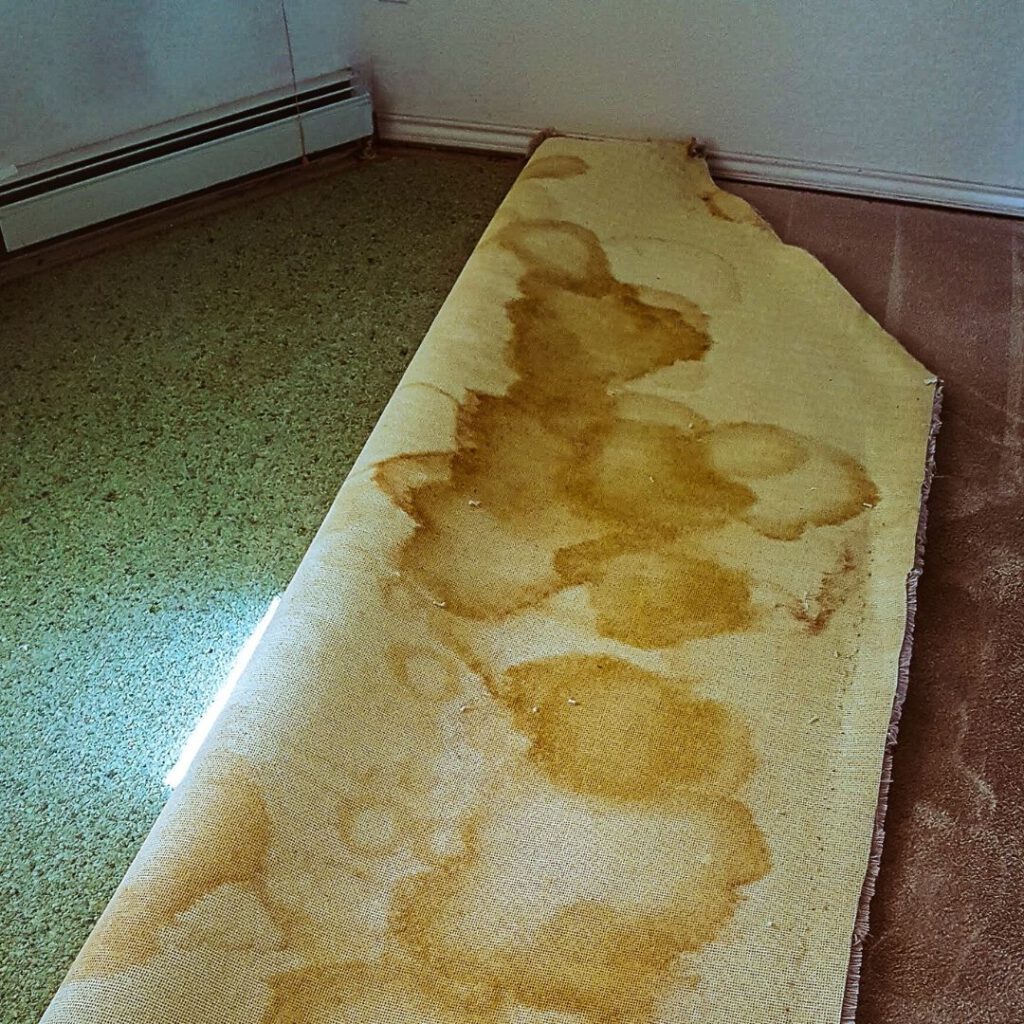
Removing old carpet may seem straightforward initially, but the reality can be more complex. In Sydney, the most effective methods for carpet disposal include hiring a skip bag, employing a rubbish removal service, or taking the carpet directly to a waste facility. It is crucial to understand that council kerbside collections generally accept only one or two rolls of carpet, and numerous councils throughout Sydney enforce strict regulations against carpet disposal. Before you begin the removal process, keep these essential tips in mind: always ensure the carpet is dry, as wet carpet can become dangerously heavy; cut the rolls into manageable lengths of approximately 1.5 metres for easier handling; and roll the underlay as you detach it to prevent it from breaking apart. This detailed guide will help you successfully navigate the carpet removal process.
Crucial Preparations for Effective Carpet Removal
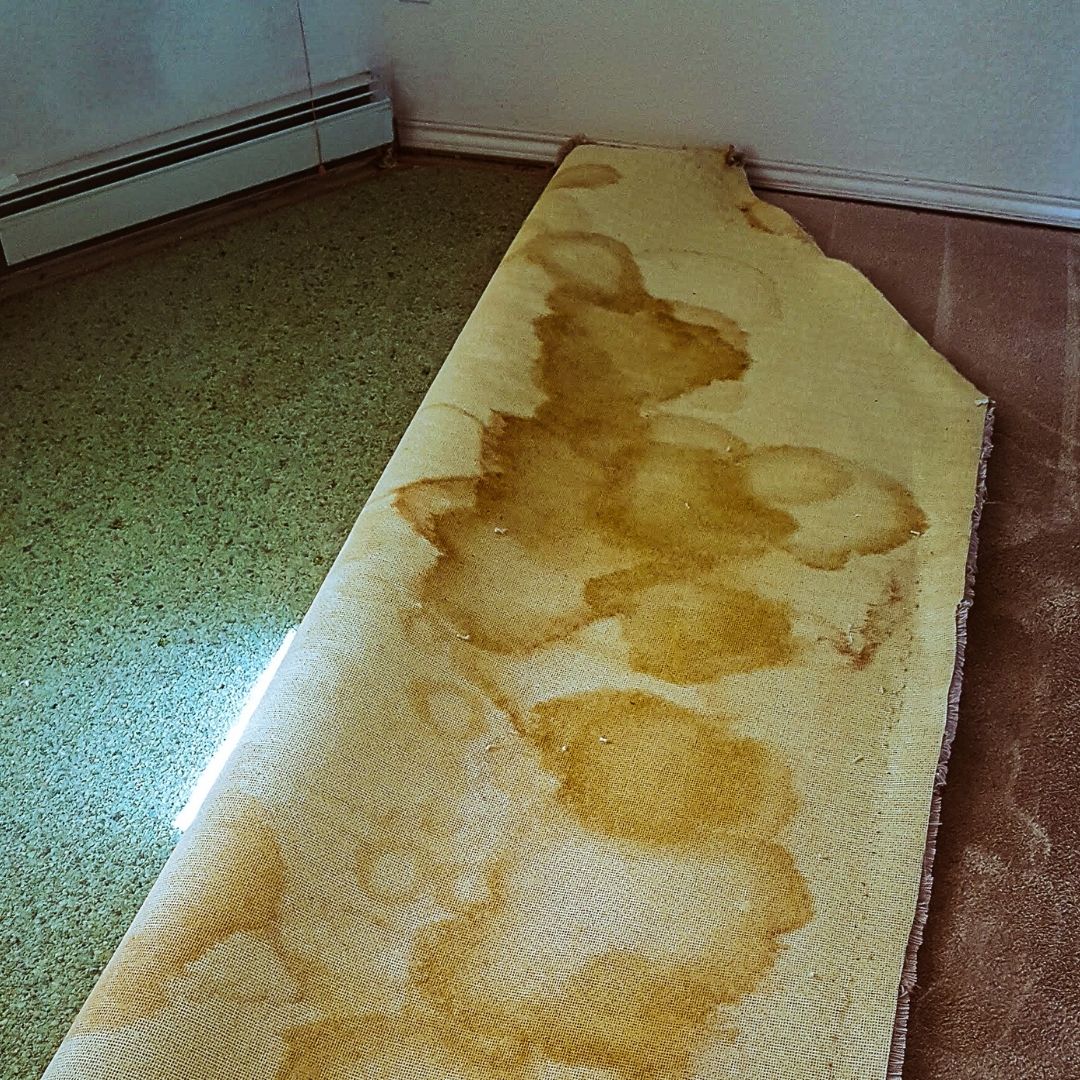
The primary consideration when dealing with old carpet is to prevent any exposure to moisture. Wet carpet can become excessively heavy and hazardous to manage. If you are removing carpet due to flooding or water damage, act swiftly to reduce further saturation. Ensure that carpet rolls are not left exposed to rain.
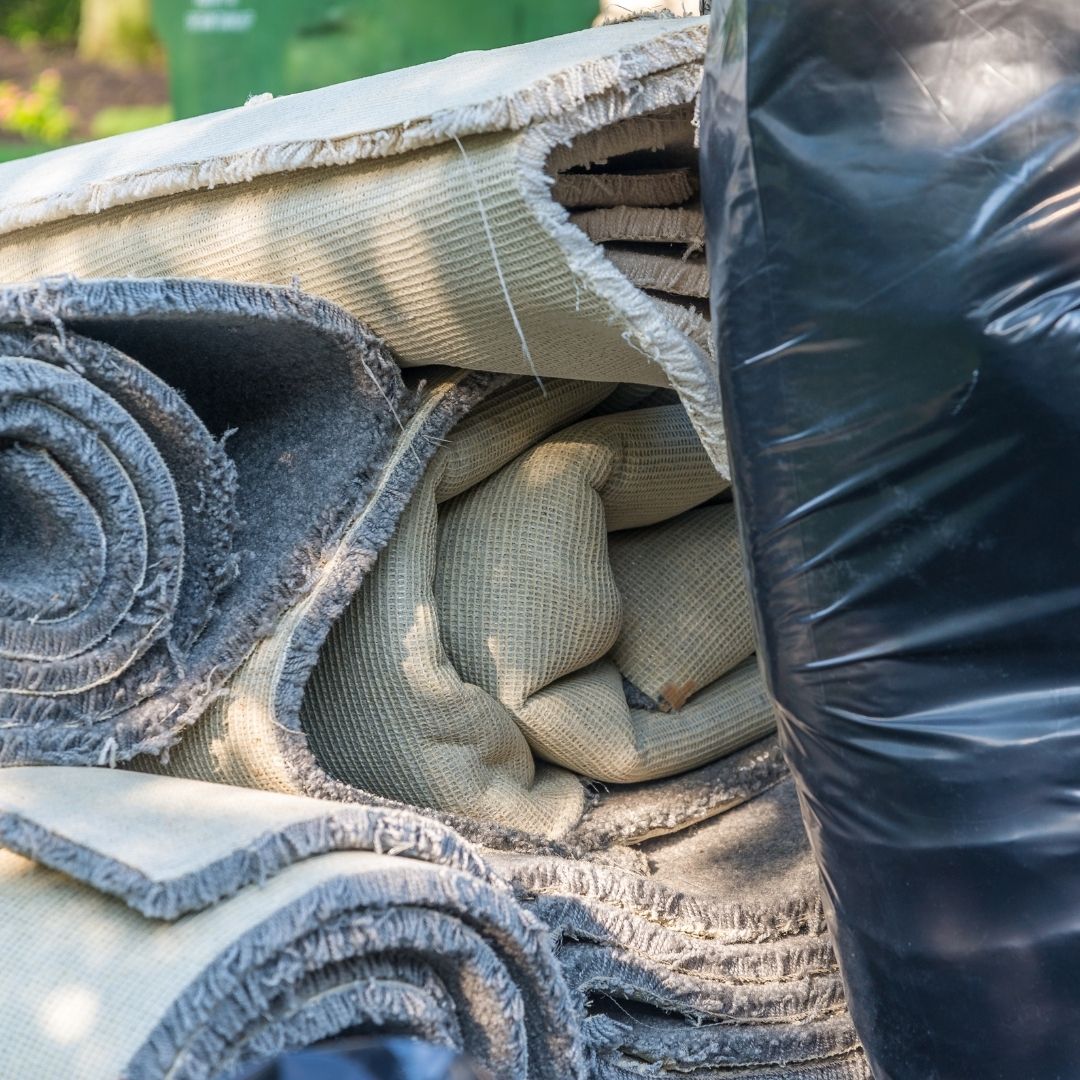
For dry carpet, roll it up tightly and secure each roll with tape or twine. Cut the rolls into lengths no longer than approximately 1.5 metres to facilitate easier handling and loading into a skip bag or vehicle.
Take care with the underlay, as older foam can crumble during removal. Roll it up as you go to avoid leaving debris on the floor.
Exercise caution with gripper strips around the edges, as these contain sharp tack nails. Use a pry bar, wear gloves, and stack them flat to prevent accidents.
If you’re unsure about removing the carpet yourself, our professional service can manage both the removal and disposal in a single visit. More information about this service is available below.
What Materials Do Sydney Councils Accept for Carpet Disposal?
This topic often causes confusion. While council kerbside collections may appear to be a convenient and free method for removing bulk waste, the acceptance of carpet varies significantly among Sydney councils.
Some councils allow a limited number of carpet rolls—typically one or two—as part of their bulk waste collection. Many councils do not accept carpet at all, and very few will take underlay separately. Almost all councils refuse carpet that has been cut into non-standard lengths or bundled loosely. Before your collection day, check your council’s website to confirm their specific regulations to avoid leaving carpet on your nature strip.
For larger quantities, council pickups are rarely a viable option in Sydney.
Step-by-Step Process for Homeowners Removing Carpet Before New Flooring Installation
Removing carpet before installing new timber, tiles, or polished concrete can be accomplished with a systematic approach. The sequence of tasks is vital.
Start by rolling and cutting the carpet, then remove the underlay, and finally address the gripper strips. Focus on one room at a time rather than attempting to clear the entire house simultaneously, as this can quickly become overwhelming. Store the rolls in the garage or outdoors, ensuring they are covered if rain is forecast.
Your disposal options include the waste facility, a skip bag, or our services. The waste facility is a practical choice if you have a trailer and the time to spare, but be mindful of the disposal fees, which can be significant for bulk items like carpet.
A skip bag is an excellent solution for projects ranging from a single room to an entire house, allowing you to fill it at your own pace while we manage the collection. Keep the rolls dry, be aware of the weight (carpet can be heavier than it appears, and the underlay adds to the bulk), and avoid mixing in prohibited items.
If you have additional renovation debris, such as old flooring, timber offcuts, tiles, or plasterboard, these can all be disposed of together. Most homeowners undertaking a flooring project will have more materials to clear than just the carpet itself.
Guidance for Landlords and Property Managers on Carpet Replacement
Replacing carpet at the end of a lease is a routine task for our team. Whether the carpet has already been removed or needs to be taken up, timing is often critical between tenants.
If the carpet has already been removed, we can swiftly load and dispose of it. If it still needs to be taken up, we can manage that as well.
Contact us before 2pm, and we can often complete the job the same day, which is essential if new flooring is scheduled for installation the following morning.
In cases involving waterlogged carpet due to a burst pipe or leak, prompt action is vital. Wet carpet can develop mould rapidly, and the added weight makes it increasingly difficult to manage the longer it remains in place.
Essential Considerations for Tradies Handling Flooring Projects
Proper disposal of carpet and underlay is often overlooked in flooring projects, but it should not be. A house full of carpet can easily fill a trailer, sometimes necessitating two trips, which can disrupt your schedule.
Having a skip bag on-site provides a cleaner and more efficient solution. Drop it off at the start of the job, fill it as you progress, and then call for collection when you are finished. The large 3m³ bag is suitable for most full house flooring projects. If your waste includes a combination of carpet, underlay, gripper strips, and other renovation debris, it can all be disposed of together.
For ongoing jobs or larger commercial flooring projects, consider discussing our truck service — we charge based on volume rather than weight, which can be advantageous when dealing with carpet.
How to Handle Mouldy Carpet, Water Damage, and Hoarding Cleanouts
Mouldy carpet requires a different approach compared to dry renovation waste.
Carpet absorbs moisture rapidly following a burst pipe, flood, or persistent dampness, becoming heavy almost instantly. Mould can develop within 24 to 48 hours. The longer the carpet remains in place, the worse its condition becomes, making it more challenging to handle. If you are dealing with water-damaged carpet, prioritise swift removal over neatly rolling it up.
We can manage mouldy and water-damaged carpet using our truck service. Our team is trained for this type of work, and the carpet will be taken directly to disposal. Avoid placing wet or mouldy carpet in a skip bag, as the charges are based on weight, and saturated carpet is exceedingly heavy. Overweight charges can accumulate rapidly, and having a bag containing mouldy carpet sitting on your driveway is not ideal. Our truck service is the best option for this scenario.
In hoarding situations, carpet is often one of the last items to be removed. The clearance process must be executed room by room — contents first, followed by flooring. Carpet in these scenarios is frequently in poor condition and may be adhered to the floor, requiring an assessment before providing a quote.
We approach these cleanouts with care, working closely with families and support professionals. If you are managing a hoarding cleanout,
discover more about our approach to these jobs →
Deceased estate clearances present similar challenges, often involving old carpet in various conditions as part of a broader clearance. We aim to handle the entire job, including flooring removal, in one visit whenever feasible.
Learn more about deceased estate clearances →
Important Factors to Consider When Using Skip Bags for Carpet Disposal
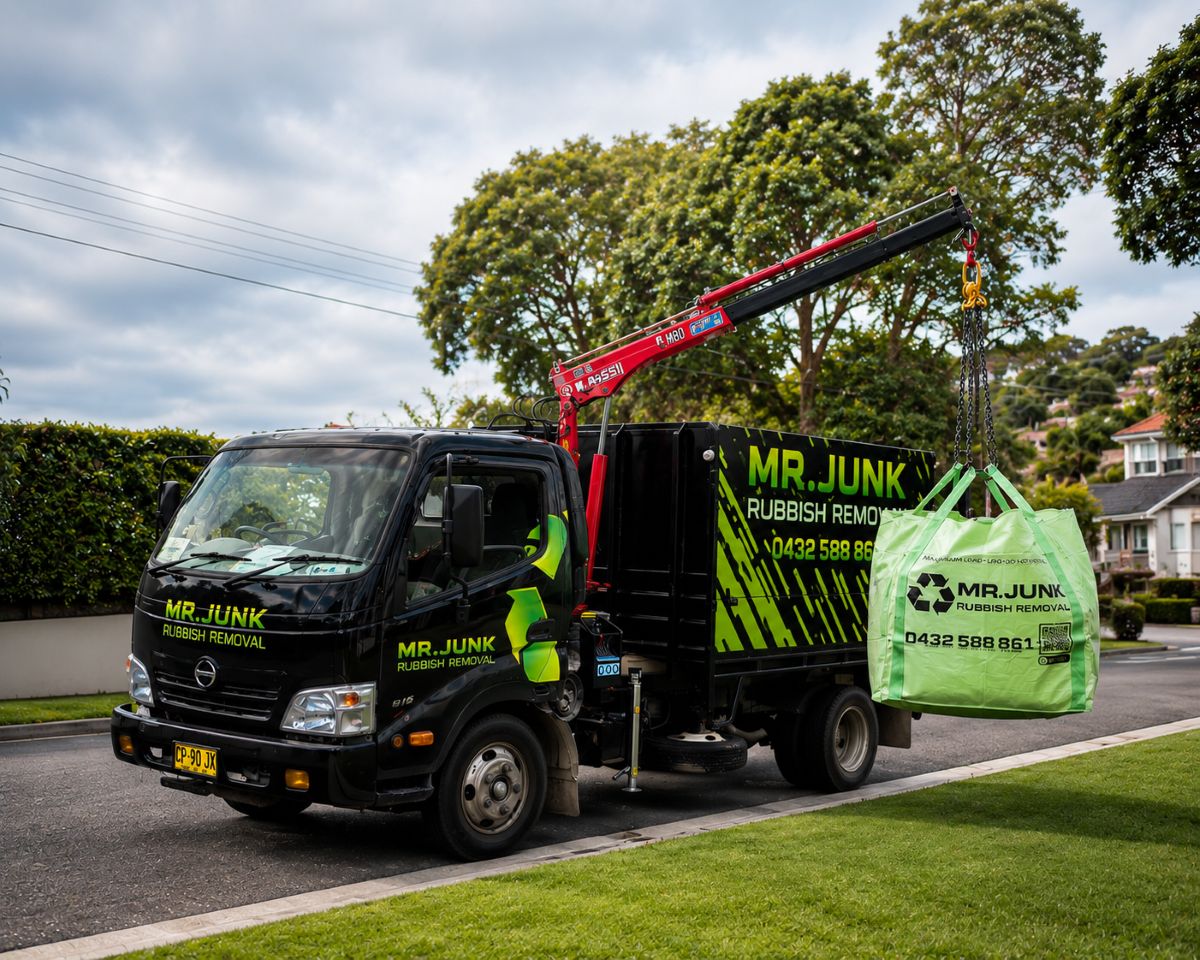
If you prefer to manage the removal yourself and require an efficient disposal option, consider a Mr Junk skip bag, particularly if council pickup is not a feasible option or cannot accommodate your volume.
The medium 2m³ bag is perfect for a typical one to two-room job, while the large 3m³ bag can accommodate an entire house. Keep the rolls dry and cut them into manageable sizes before loading to reduce weight and maximise space.
Carpet cannot be placed in the concrete bag. If you are uncertain whether your load will exceed the weight limit—especially if you are including tiles, timber, or other heavy renovation materials alongside the carpet—our truck service is charged by volume rather than weight, removing any uncertainty.
Check skip bag sizes and pricing →
Why You Should Choose Our Carpet Removal Services
If the carpet is still installed and you would rather not remove it yourself, we can handle the entire process on your behalf. Our skilled two-man crew will take care of the carpet removal, rolling it up, extracting the underlay and gripper strips, and loading everything onto the truck, leaving your floor ready for the next installation.
While this service may incur a higher cost than DIY disposal, it saves you the hassle of spending a Saturday on your knees with a pry bar. Many homeowners find it worthwhile for a complete house clearance.
We also accept all other items related to renovation or property clearance — old furniture, appliances, general rubbish, and renovation debris. If you have an entire house full of items to remove along with the flooring, we can take care of everything in one visit.
Contact us at 0432 588 861 or request a free quote →
Original Article First Published At: How to Dispose of Carpet and Underlay in Sydney
The Article: Dispose of Carpet and Underlay Easily in Sydney first appeared on https://writebuff.com
The Article Easily Dispose of Carpet and Underlay in Sydney Was Found On https://limitsofstrategy.com
The Article Carpet and Underlay Disposal Made Easy in Sydney found first on https://electroquench.com