Enhance Your Dog's Skills with Exciting Backyard Agility Courses
What Key Elements Are Needed to Create a Successful Agility Course?

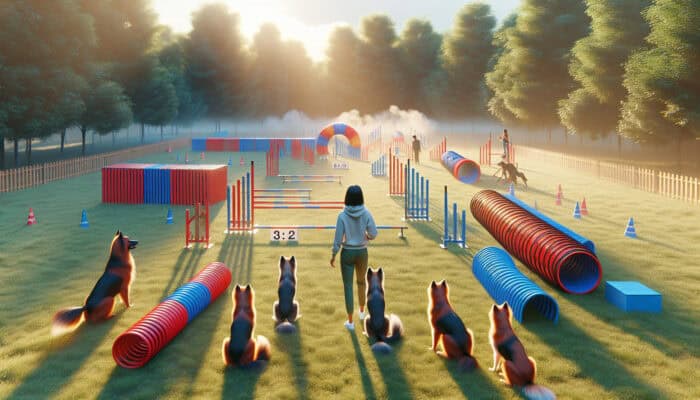
Establishing an agility course in your backyard opens up an exciting opportunity that can significantly boost your dog's physical fitness and provide essential mental stimulation. A well-structured course incorporates a variety of obstacles that encourage physical activity while fostering a stronger bond between you and your dog. Fundamental agility equipment includes tunnels, jumps, weave poles, along with contact obstacles such as A-frames and seesaws. By integrating these essential components, you can create an engaging and interactive space that entertains your dog and offers a structured pathway for developing their skills.
This diverse range of equipment allows you to tailor the course to match your dog's specific abilities and preferences, ensuring they remain engaged while honing their agility skills in a fun and stimulating environment.
How Can You Create a Safe Training Environment for Your Dog?
Establishing a safe environment for your backyard agility course is crucial to prevent injuries and guarantee a positive experience for both you and your dog. Start by evaluating the area designated for the course. Ensure that the ground is level and free from hazards such as sharp objects or depressions, which could lead to accidents. Additionally, opting for weather-resistant materials for your obstacles not only boosts safety measures but also extends the lifespan of your agility equipment.
It is wise to implement non-slip surfaces for jumps and contact obstacles, while guaranteeing ample space between different pieces of equipment to allow for safe navigation. Careful selection of materials combined with strategic arrangement is vital in crafting a course that encourages safe and enjoyable activities, enhancing the experience for both you and your canine companion.
What Are the Core Elements for Conducting Successful Training Sessions?
When running agility training sessions, it is essential to keep the experience enjoyable and rewarding for your dog. Start with short routines that introduce one or two obstacles at a time, gradually increasing the complexity as your dog gains confidence and skill. This approach fosters the development of their abilities without overwhelming them, ensuring a positive learning environment.
Utilising positive reinforcement methods, such as treats and verbal praise, can greatly enhance your dog's motivation and enthusiasm to participate. Additionally, paying attention to their energy levels and attention spans is crucial; shorter, focused sessions typically yield better results than prolonged practices. By prioritising enjoyment throughout the training process, you encourage your dog to look forward to agility sessions, thereby promoting their learning and skill growth over time.
Step-by-Step Guidance to Create Your Own Agility Course
What Materials Should You Consider for Constructing Your Agility Course?
When designing an agility course in your backyard, selecting appropriate materials is essential for ensuring safety and durability. Opt for non-toxic, robust materials such as PVC pipes for jumps and Fabric tunnels for weaving, as these options are lightweight, easy to assemble, and highly adaptable. Such materials can be customised to fit the available space and accommodate your dog's size, providing a plethora of agility configurations tailored to your specific needs.
Furthermore, consider adding items like rubber mats or grass-friendly surfaces to safeguard your yard while offering stable footing for your dog. Creating a course with materials that can withstand various weather conditions will improve its longevity and ensure your agility activities remain safe and effective. Thoughtful material selection and assembly can lead to a successful and enjoyable agility experience in your backyard.
How Can You Efficiently Utilise Space When Designing Your Agility Course?
Making the most of your available space is vital when creating an agility course. Employing modular designs allows for flexible arrangements that can adapt to different yard sizes and shapes. Begin by measuring your yard to determine how much space you can devote to the course and sketch a preliminary layout for arranging the obstacles.
Consider using multi-functional equipment that can be easily rearranged or stored when not in use, ensuring that the setup remains accessible and enjoyable while minimising clutter in your yard. During the planning phase, pay close attention to the flow of the course; obstacles should be strategically placed to facilitate smooth navigation and present an effective challenge for your dog.
What Maintenance Practices Are Essential for the Longevity of Your Course?
Regular maintenance is crucial for extending the lifespan of your agility course. Routine cleaning and inspections of the equipment, including jumps and tunnels, are necessary to prevent wear and ensure safety during training sessions. After periods of heavy usage, examine the equipment for damages, such as frayed edges or loose fittings, and carry out any necessary repairs promptly to avert accidents.
Seasonal assessments are equally important; check your equipment following severe weather conditions and store items appropriately during inclement seasons to prevent deterioration. Establishing a maintenance schedule not only prolongs the life of your agility course but also ensures that it remains safe and enjoyable for your dog.
How Do You Create an Efficient Course Layout?
Designing an effective course layout is vital for providing a successful agility experience for your dog. Start by arranging the obstacles in a logical sequence that encourages flow while presenting an adequate challenge for your dog. Consider their agility level and physical capabilities when planning the layout to ensure a tailored experience.
Sketching the course on paper can assist in visualising the setup before implementing it in your yard. Be mindful of the spacing between obstacles to allow your dog to navigate them comfortably without feeling overwhelmed. Testing the layout post-setup allows for necessary adjustments, optimising the course for both enjoyment and safety while prioritising your dog's happiness throughout the experience.
How Can You Adapt the Course for Dogs of Varying Sizes?
Customising your agility course to accommodate dogs of different sizes is essential for creating an inclusive and enjoyable environment. Adjust the heights and widths of obstacles based on your dog's breed and physical capabilities; smaller dogs may require lower jumps and narrower weave poles, whereas larger breeds may thrive with taller, more challenging obstacles.
Designing scalable obstacles offers flexibility in training, ensuring that all dogs can participate without feeling overwhelmed or under-stimulated. Considering breed standards when measuring and designing your course will help create a successful agility experience, promoting skill development while prioritising safety and enjoyment for every dog involved.
What Benefits Do Agility Courses Offer for Dogs?
What Physical Benefits Do Agility Courses Provide?
Regular participation in agility courses yields extensive physical benefits for dogs. These activities enhance strength, coordination, and cardiovascular health, all of which are essential for maintaining a dog's overall fitness and well-being. Engaging in agility exercises helps dogs build muscle and stamina, significantly reducing the risk of obesity and associated health issues.
In addition to improving physical attributes, agility training promotes flexibility and balance as dogs traverse various obstacles. The combination of these benefits results in a happier, healthier dog that enjoys the excitement of movement while developing critical physical skills that contribute to their overall welfare.
Are There Cognitive Benefits Associated with Agility Training?
Agility courses not only provide physical exercise but also offer significant mental stimulation for dogs. Navigating a range of obstacles challenges a dog's problem-solving abilities, enhancing cognitive functions and alleviating boredom. As dogs learn to manoeuvre through these challenges, they develop critical thinking and adaptability—skills that can benefit other aspects of their lives.
Integrating a variety of obstacles and challenges into the course encourages dogs to think creatively and find solutions, keeping their minds actively engaged. This mental stimulation leads to happier pets who are less likely to display behavioural issues stemming from boredom.
How Does Agility Training Foster a Strong Bond Between Owners and Dogs?
Participating in agility training sessions creates shared experiences that significantly strengthen the bond between owners and their dogs. Collaborative training nurtures trust and communication, making the process enjoyable for both parties. As dogs receive positive reinforcement for their efforts, they learn to associate training with fun, reinforcing positive behaviours.
The emotional connections formed during these joint activities enrich the overall relationship, leading to a more harmonious and fulfilling companionship. By focusing on shared goals and celebrating achievements together, owners and dogs can forge a strong bond that enhances their lives and deepens their connection.
Expert Insights on Backyard Agility Courses
What Proven Strategies Are Effective for Course Design?
Effective agility course design involves crafting balanced layouts that prioritise safety and engagement. When placing obstacles, consider your dog's skill level and physical abilities. For example, beginners may thrive with a straightforward layout that gradually increases in complexity, while more experienced dogs may excel with challenging configurations that push their limits.
Real-world examples demonstrate effective obstacle placement, such as arranging jumps to facilitate smooth transitions and maintain momentum. Including various types of equipment, including tunnels and weave poles, enhances engagement and prevents monotony. Expert insights underscore the importance of risk mitigation, emphasising that every aspect of the course should be crafted with safety and enjoyment at the forefront.
How Can You Modify the Course for Different Dog Breeds?
Adjusting agility courses to accommodate various dog breeds is essential for ensuring inclusivity and optimising the training experience. Each breed possesses unique characteristics, including size, energy levels, and temperaments, which should influence the course design. For instance, smaller breeds may require lower jumps and wider spaces, while larger breeds can manage taller obstacles and tighter turns.
Customization techniques include adjustable jump heights and varied spacing for weave poles, ensuring that dogs of all sizes can participate safely and effectively. Insights from professionals highlight the necessity of understanding each breed's specific needs to design a course that appropriately challenges them while fostering an enjoyable training atmosphere.
What Essential Safety Considerations Should Be Taken into Account for Agility Training?
Safety is paramount when establishing agility courses, and professionals recommend several key strategies to mitigate risks. Implementing padding around hard surfaces and ensuring proper supervision during training sessions are fundamental measures to prevent accidents and injuries.
Furthermore, experts advise regular inspections of equipment for wear and tear, particularly after periods of heavy usage. Practical safety measures include using non-slip surfaces to minimise the risk of slips and falls, and strategically positioning obstacles to reduce the likelihood of collisions. By prioritising safety, dog owners can create an environment that facilitates enjoyable and engaging agility training without unnecessary risks.
How Can You Seamlessly Incorporate Agility Courses into Daily Routines?
Integrating agility courses into your dog's daily routine can significantly enhance their obedience, fitness, and mental engagement. Start by scheduling regular training sessions throughout the week, blending agility exercises with other forms of play or walks. This strategy transforms agility into a fundamental aspect of your dog's daily life, reinforcing learning and consistency.
Experts suggest progressively increasing the course's difficulty over time to keep your dog engaged and challenged. Combining agility training with playtime creates a more dynamic experience, helping your dog remain motivated. By weaving agility into everyday activities, you foster continued growth and enjoyment for your furry companion.
How Can You Effectively Measure Progress and Success in Backyard Agility Training?
Tracking progress in backyard agility courses is essential for monitoring your dog's development and adjusting training methods as needed. Professional strategies include maintaining logs of time trials, success rates on each obstacle, and observing behavioural changes during training sessions.
By documenting this information, owners can identify patterns in their dogs' performance, allowing for informed adjustments to course difficulty and training techniques. Celebrating milestones—no matter how small—ensures that both the owner and the dog remain motivated. Utilising measurable objectives encourages ongoing engagement and improvement in agility skills.
What Equipment Is Essential for Agility Training?
How Do You Choose Beginner-Friendly Agility Tools?
When initiating agility training, selecting beginner-friendly tools is vital to ensure a smooth introduction. Start with affordable, easy-to-assemble items such as PVC jump poles and fabric tunnels, which serve as foundational equipment for agility courses.
Essential gear for beginners includes:
- PVC jump poles
- Fabric tunnels
- Weave poles
- Hurdles
- Paw prints for ground markers
- Agility cones
- Balance beams
- Stretch bands for jumps
By focusing on these fundamental components, you can lay a solid foundation for your dog's agility training without overwhelming them with complex equipment from the outset.
What Advanced Features Can Elevate Training Challenges?
Once your dog has mastered the basics, incorporating advanced features can enhance their training experience. Adding timers to monitor performance and set goals introduces a competitive aspect to agility training, motivating dogs to enhance their speed and efficiency.
Integrating adjustable jump heights and varying obstacle difficulties offers additional challenges, ensuring your dog continues to progress. These enhancements not only improve the training experience but also keep your dog engaged and excited about agility practice, fostering continuous growth.
Is Budget Planning Necessary for Setting Up an Agility Course?
Budget planning is crucial when developing an agility course, as it enables owners to assess costs while ensuring quality is not compromised. By identifying essential items and prioritising purchases based on your dog's needs, you can make a sustainable investment in their training.
Smart purchasing strategies include shopping during sales, considering second-hand equipment, or even constructing DIY obstacles using readily available materials. A well-thought-out budget plan empowers you to manage expenses while building an effective agility course that will benefit your dog for many years.
Research-Backed Benefits of Agility Courses for Dogs
What Studies Highlight Health Improvements Linked to Agility Training?
Veterinary research underscores the multitude of health benefits associated with regular participation in agility courses. Studies indicate that engaging in these activities improves joint health, boosts energy levels, and reduces the risk of obesity. Dogs that remain active through agility training typically experience better overall health, contributing to a higher quality of life.
By incorporating agility courses into your dog's routine, you can proactively secure long-term health advantages. Participating in structured physical activities not only provides immediate benefits but also promotes a healthier lifestyle for your dog, emphasising the importance of regular exercise.
How Does Agility Training Positively Influence Dog Behaviour?
Research suggests that mental engagement through agility training positively impacts dog behaviour. Dogs who consistently participate in agility exercises tend to show lower anxiety levels and improved obedience. This behavioural transformation can be attributed to the mental stimulation provided by navigating various obstacles, which helps keep their minds active and engaged.
Integrating agility routines into your dog's life nurtures a more balanced demeanor, leading to calmer dispositions and better overall behaviour. As dogs learn to focus and follow commands during agility training, they develop essential skills that translate into improved behaviour in other areas of their lives.
What Are the Often-Overlooked Benefits of Agility Training?
Agility training goes beyond physical fitness; research indicates that it also enhances social skills in dogs. Interactive play during agility exercises encourages positive interactions with both humans and other dogs, fostering better social behaviours.
Real-world instances demonstrate that dogs engaged in agility classes or competitions develop increased confidence and sociability, making them more well-rounded companions. The overlooked benefits of agility training extend beyond physical improvements; the social skills gained through these activities enrich a dog's life and strengthen their relationships with others.
How to Train Your Dog on the Agility Course?
What Initial Steps Should You Take When Beginning Training with Your Dog?
When embarking on agility training, the initial steps should focus on establishing basic commands to create a solid foundation. Gradually introduce your dog to each obstacle, ensuring they feel comfortable and confident while navigating the course. Utilise treats and positive reinforcement to encourage them during these early sessions, making the experience enjoyable and rewarding.
Building confidence is critical; start with simple obstacles and progressively increase the difficulty as your dog becomes more proficient. This step-by-step approach guarantees a smooth transition to more complex training as your dog's skills develop, enhancing their overall experience and success in agility.
How Can You Effectively Monitor Your Dog's Progress?
Tracking progress is vital for optimising your dog's agility training. Keeping detailed logs of improvements helps you document your dog's successes and identify areas for further development—record metrics such as speed, accuracy in obstacle navigation, and behavioural responses during training sessions.
By analysing this data, you can make necessary adjustments to your training routine and tailor it to your dog's evolving needs. Regular evaluations ensure you remain on track, facilitating informed decisions that enhance your dog's agility training experience and overall progress.
Why Is Consistency Crucial in Training Sessions?
Consistency in training sessions is essential for reinforcing learning and cultivating reliable responses in dogs. Regular practice helps dogs retain skills and knowledge, preventing setbacks that may arise from infrequent training. By establishing a consistent routine, you create an environment that encourages your dog's growth and improvement.
The significance of routine extends beyond training; it establishes a sense of security and predictability for your dog, making them more eager to participate. Incorporating agility training into their daily schedule solidifies the skills learned, resulting in lasting benefits for both you and your dog.
Maintaining and Upgrading Your Agility Course
What Routine Assessments Should You Conduct for Safety?
To ensure the safety and functionality of your agility course, conducting routine assessments is vital. Periodically evaluate components such as tunnels, jumps, and other equipment to identify wear and tear that could compromise their integrity.
Establishing a maintenance schedule can prevent accidents and extend the usability of your course. Look for loose fittings, frayed edges, or any signs of damage after heavy use, and perform necessary repairs promptly. Regular inspections create a safe training environment, allowing both you and your dog to enjoy the agility course with peace of mind.
How Can You Innovate by Adding New Elements to Your Course?
Incorporating new elements into your agility course keeps training fresh and engaging for your dog. Introducing variety through upgrades, such as different types of obstacles or adjustable features, encourages ongoing participation and challenges your dog's skills.
Consider adding new equipment, such as balance beams or elevated platforms, to increase complexity and interest. By consistently innovating your course, you not only maintain your dog's enthusiasm but also stimulate their mental and physical growth, fostering continuous improvement and a dynamic training experience.
Is Proper Storage of Equipment Essential?
Proper storage of your agility course equipment is crucial for protecting your gear and ensuring its longevity. Disassembled parts should be organised and stored in a safe, dry area to prevent damage from environmental factors. This organisation also conserves space in your yard, allowing for more efficient use of the area.
Utilising storage solutions such as bins, racks, or designated storage areas ensures easy access to equipment when needed, facilitating year-round training. Proper organisation helps maintain an agility course and enhances the training experience, making it more enjoyable for both you and your dog.
Integrating Agility Training into Daily Routines
What Daily Activities Can Complement Agility Training?
Incorporating agility training into your dog's daily routine can significantly enhance their overall fitness and obedience. Start by integrating brief agility sessions into regular walks or playtime, transforming agility into a habit rather than a chore. This combination of activities helps maintain interest and excitement while reinforcing skills learned during training.
Additionally, varying training locations and contexts can improve your dog’s learning and adaptability. By blending agility practice with daily routines, you create a more enriching environment that supports your dog’s physical and mental development, leading to a well-rounded training experience.
How Can You Make Agility Training a Family-Friendly Activity?
Involving family members in agility training can foster shared experiences that enhance motivation and enjoyment for everyone involved. Collaborative approaches, such as rotating roles during training sessions or organising family-friendly competitions, can promote camaraderie and make the training process more interactive and enjoyable.
Encouraging participation from children or other family members not only enhances the experience but also strengthens the bond between your dog and the entire family. This collective effort boosts morale and creates joyful memories, enriching the overall agility training experience for all.
Why Is Ongoing Involvement Critical for Agility Training Success?
Consistent participation in agility training is crucial for maintaining skills and health benefits. Regular engagement prevents regression and ensures that dogs continue to develop their abilities. Consistency in practice leads to lasting improvements and reinforces positive behaviours, making ongoing involvement vital for success.
Long-term strategies for sustaining engagement include varying the training routine and introducing new challenges to keep the experience dynamic and exciting. By committing to regular agility training, you promote continuous growth, ensuring that both you and your dog reap the long-term benefits of agility exercises.
How Can You Monitor Progress in Daily Agility Practices?
Tracking progress in daily agility practices is essential for maintaining motivation and effectiveness in training. Utilising journals or apps to document daily activities helps you visualise improvements and pinpoint areas needing additional focus.
Monitoring metrics such as speed, accuracy, and behavioural responses provides valuable insights into your dog’s development. By tracking these details, you can celebrate achievements and make necessary adjustments to your training routine, ensuring a productive and engaging agility experience for both you and your dog.
What Strategies Can Help Overcome Common Obstacles in Agility Training?
Identifying common barriers to agility training, such as time constraints or lack of motivation, is crucial for maintaining a consistent practice. Implementing solutions like flexible scheduling or simplified exercises can help mitigate these obstacles, making agility training more manageable and enjoyable.
Prioritise brief, focused sessions that can fit into your daily schedule, and consider breaking down complex exercises into manageable steps. By proactively addressing potential challenges, you can ensure the continued integration of agility training into your routine, fostering a positive experience for both you and your dog.
FAQs about Dog Agility Training
What Constitutes a Comprehensive Agility Course for Dogs?
An agility course for dogs comprises a variety of obstacles designed to assess their speed, coordination, and obedience, offering both physical exercise and mental stimulation.
How Do I Get Started with Agility Training for My Dog?
Begin by teaching your dog basic commands and introducing simple obstacles, progressively increasing the complexity as they build confidence and skill.
What Materials Are Necessary to Set Up a Backyard Agility Course?
Essential materials include PVC pipes for jumps, fabric tunnels, weave poles, and other lightweight, non-toxic items that are easy to assemble and safe for dogs.
How Often Should I Train My Dog in Agility?
Consistency is key; aim for several short training sessions each week, blending agility training with other activities to keep your dog engaged and excited.
Is Agility Training Suitable for All Dogs?
Yes, agility training can be adapted for dogs of all sizes and breeds, with appropriate adjustments made to meet their unique abilities and needs.
What Advantages Does Agility Training Offer to Dogs?
Agility training enhances physical fitness, provides mental stimulation, strengthens the bond between owner and dog, and reduces behavioural issues by offering structured outlets for energy.
How Can I Measure My Dog's Progress in Agility Training?
Track your dog's progress by documenting their performance on obstacles, monitoring improvements over time, and adjusting training methods based on their developmental needs.
Is Agility Training Safe for Dogs?
Agility training is generally safe when proper precautions are taken, such as using durable equipment, supervising sessions, and ensuring dogs are physically capable of performing the activities.
How Can I Make Agility Training a Family Affair?
Involve family members by rotating roles during training sessions, organising friendly competitions, or simply encouraging everyone to participate, enhancing the experience for both the dog and the family.
What Should I Do If My Dog Hesitates to Try Obstacles?
If your dog shows reluctance, start with very simple obstacles and use positive reinforcement to encourage them. Gradually increase the challenge as they become more comfortable and confident in their abilities.
Join our vibrant community on Facebook!
The Article Agility Courses for Backyard Dogs: Essential Training Tips First Published On https://elgatoencasa.com
The Article Agility Courses for Dogs: Essential Backyard Training Tips Was Found On https://limitsofstrategy.com