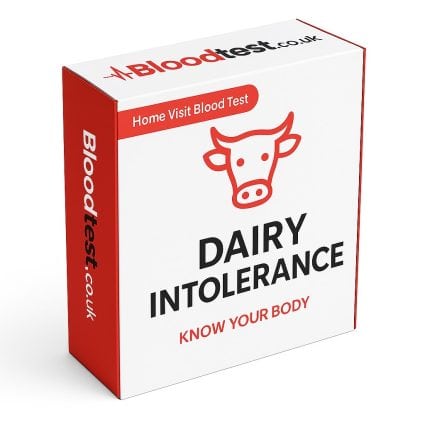
Thorough Examination of Dairy Intolerance Testing Procedures
What Steps Are Involved in Dairy Intolerance Testing?
Private Dairy Intolerance Test in Bristol: This specialised test is crafted to identify adverse reactions to dairy products. Employing specific methodologies available at local clinics, this testing enables individuals to clarify their symptoms and improve their overall health and well-being. Recent studies in the UK indicate that a significant percentage of individuals experiencing unexplained gastrointestinal issues found clarity through these tests, prompting personalised dietary modifications that ultimately enhanced their quality of life.

What Symptoms Should You Recognise Prior to Testing?
Before opting for a dairy intolerance test in Bristol, it is essential to identify several common symptoms that may indicate an intolerance. Signs such as bloating, abdominal pain, and various skin conditions often prompt residents of Bristol to seek advice from healthcare professionals. Recognising these symptoms early on can greatly enhance dietary management and lead to improved health outcomes. Many individuals have reported remarkable enhancements in their skin issues and digestive comfort after making necessary dietary changes, validating their decision to pursue testing.
Explore the Variety of Testing Methods Available in Bristol
Bristol boasts a wide array of testing methods to accurately diagnose dairy intolerance. These methods include breath tests that measure hydrogen levels in the breath after dairy consumption and blood tests that identify specific antibodies associated with dairy sensitivity. Local facilities adhere to UK medical standards, ensuring reliable results and tailored dietary recommendations that empower individuals to make informed health choices. With cutting-edge technology and a dedicated workforce, these testing techniques play a crucial role in the diagnostic process, influencing future management strategies for dietary intolerances.
Comprehending the Mechanisms of Dairy Intolerance Testing
What Are the Essential Steps in the Testing Procedure?
The journey to receiving a dairy intolerance test in Bristol typically commences with a comprehensive consultation at a local clinic. During this initial meeting, healthcare professionals collect extensive information regarding the patient’s medical history and dietary habits. Following this consultation, the procedure advances with sample collection, which may involve breath analysis or blood testing.
The examination of these samples yields clear insights into the individual’s intolerance levels, resulting in personalised dietary recommendations that adhere to UK healthcare standards.
Why Is Accuracy Crucial for Testing Results?
Accuracy in dairy intolerance testing is paramount. Achieving precise test results is essential to prevent misdiagnosis and ensure that patients in Bristol can implement appropriate dietary changes based on trustworthy information. An erroneous diagnosis may lead to unnecessary dietary restrictions or ongoing discomfort, hindering the individual's health journey.
Therefore, the testing procedure must be executed with meticulous attention to detail and compliance with established medical protocols, ultimately benefiting long-term health.
What Challenges Might Arise During the Testing Process?
While undergoing a dairy intolerance test in Bristol, individuals may encounter specific challenges that could affect the accuracy of their results. Factors such as prior dietary habits and preparation protocols can significantly impact test outcomes. For example, experts advise that individuals refrain from consuming dairy products before testing to enhance test accuracy. Engaging with knowledgeable healthcare professionals can also help address these challenges, ensuring a smooth testing experience.
Expert Perspectives on Dairy Intolerance Testing in Bristol
What Factors Could Influence Testing Results?
Several important factors can affect the outcomes of a dairy intolerance test in Bristol. Specialists recommend that patients maintain a detailed food diary leading up to the test, which can provide crucial insights into their dietary habits and potential intolerances. This proactive approach assists healthcare providers in interpreting test results more accurately. Additionally, understanding the intricate interactions between different foods and one’s body can empower individuals to manage their health proactively within the UK context.
What Benefits Are Gained from Seeking Professional Guidance?
Collaborating with experts in Bristol for a <a href="https://limitsofstrategy.com/dairy-intolerance-test-options-your-essential-guide-in-brighton/">dairy intolerance test</a> offers numerous advantages. Experts highlight the importance of tailored dietary plans that cater to individual intolerances, alongside practical dietary advice. This customised guidance, rooted in UK research, equips individuals with the necessary tools to navigate their health journeys more effectively. Furthermore, continuous support from specialists can facilitate the incorporation of test results into daily routines in a sustainable manner.
What Long-Term Management Strategies Should Be Adopted?
Following testing, it is vital to integrate the findings into everyday life for sustained well-being. Experts in Bristol suggest that individuals implement lifestyle changes that reflect their test results, making ongoing health management more attainable. This might involve experimenting with lactose-free alternatives, exploring new recipe ideas, or joining community support groups for those managing similar conditions. Evidence-based practices in the UK highlight the importance of maintaining a flexible diet that meets individual health needs while still ensuring an enjoyable eating experience.
Enhancing Your Quality of Life Through Dairy Intolerance Testing
In What Ways Does Testing Enhance Your Quality of Life?
For numerous individuals in Bristol, a dairy intolerance test can profoundly improve their quality of life by helping them identify specific dietary triggers. Once these triggers are recognised, individuals can adopt suitable alternatives, resulting in less discomfort and an overall enhancement in well-being. Many residents have reported that eliminating dairy products from their diets alleviates gastrointestinal distress, thereby restoring a sense of vitality and comfort in their daily lives.
What Dietary Adjustments Are Common After Testing?
Upon receiving the results of a dairy intolerance test in Bristol, many individuals often transition to lactose-free options. This dietary shift can alleviate symptoms and promote healthier eating patterns. Local communities in Bristol are increasingly embracing plant-based and dairy-free alternatives, providing support for individuals on their journey toward better health. These adjustments not only help manage symptoms but also encourage a more varied and balanced approach to nutrition.
Is the Cost of Testing Justifiable as a Worthwhile Investment?
When assessing the costs associated with a dairy intolerance test in Bristol against its potential health benefits, it becomes evident that this investment is often justified. Individuals gain critical insights that lead to long-term relief from symptoms and enhancements in quality of life within the UK's healthcare framework. The benefits of understanding one’s body and dietary requirements frequently surpass the initial financial commitment, making the test a sensible choice for many.
- Enhanced understanding of personal health
- Reduction in gastrointestinal discomfort
- Improved dietary choices
- Support for a healthier lifestyle
- Increased energy levels
- Better social interactions
- Long-term health improvements
- Empowerment through knowledge
What Impact Does This Testing Have on Family and Social Life?
Participating in a dairy intolerance test in Bristol can significantly enhance one's family and social interactions. Being aware of dietary restrictions allows individuals to fully partake in family gatherings and social occasions without discomfort from dairy. This awareness not only strengthens relationships but also boosts emotional well-being and social integration, as individuals feel more included and less anxious about food-related issues during communal activities.
How to Continuously Monitor Health After Testing?
After completing a dairy intolerance test in Bristol, ongoing health monitoring is essential for effectively managing one’s condition. Individuals should implement self-monitoring strategies to adjust their diets as needed. This proactive approach aligns with the UK's emphasis on preventive healthcare, aiding in the prevention of chronic conditions and supporting long-term health improvements. Regular consultations with healthcare professionals can further optimise health outcomes over time.
What Research Validates the Effectiveness of Dairy Intolerance Testing in Bristol?
What Insights Have Recent Studies Unearthed?
Recent research conducted in the UK indicates that dairy intolerance testing significantly alleviates gastrointestinal issues among affected individuals. Data collected in Bristol highlights the positive outcomes of these tests, with many participants reporting substantial improvements in their symptoms. Real-life examples from local studies underscore the importance of identifying dairy intolerance as a crucial step in managing health conditions, reinforcing the relevance of these tests within the community.
How Does Testing Support Preventive Health Initiatives?
Dairy intolerance testing empowers individuals with the knowledge necessary to take proactive measures against worsening symptoms. Research conducted in Bristol advocates for early intervention in health practices, enabling individuals to adjust their diets before more serious health issues arise. This preventive strategy is vital within the broader UK healthcare framework, promoting long-term wellness and enhancements in quality of life.
What Follow-Up Actions Do Experts Recommend?
Following a dairy intolerance test in Bristol, healthcare professionals stress the importance of regular follow-up appointments. These consultations assist in monitoring progress and ensuring that individuals maintain optimal health based on solid UK evidence. By consistently tracking health outcomes and adjusting dietary practices as necessary, individuals can effectively navigate their tolerances, securing sustainable health improvements and an enhanced quality of life.
Why Opt for Bristol for Your Dairy Intolerance Testing?
What Characteristics Make Local Clinics Trustworthy?
Bristol is home to numerous reputable clinics offering dairy intolerance testing, staffed by knowledgeable professionals equipped with advanced diagnostic tools. These facilities guarantee reliable results for residents seeking efficient solutions to their dietary challenges. The combination of expertise and state-of-the-art technology positions Bristol as a preferred location for individuals requiring precise testing and personalised solutions.
What Tailored Services Are Accessible to Residents?
Residents of Bristol benefit from dedicated allergy centres that provide comprehensive support tailored to their specific needs. These facilities comply with national health guidelines and offer specialised testing and management plans for dairy intolerance. This level of specialised care ensures that patients receive the most relevant and effective treatment options available in the UK.
How to Choose the Most Suitable Provider for Testing?
When searching for a provider for dairy intolerance testing in Bristol, individuals should evaluate factors such as the clinic’s reputation, staff qualifications, and appointment wait times. By considering these elements, patients can streamline their search and discover the most effective solutions for managing their intolerances, personalised to their unique needs. This thorough assessment guarantees that individuals receive the highest quality of care possible within the UK context.
What Benefits Arise from Proximity to Major Transport Links?
Bristol’s advantageous location near key motorways and railways facilitates access to care for patients from across the UK. This connectivity minimises travel barriers, allowing for timely consultations and follow-ups regarding dairy intolerance testing. The city’s efficient transport links enhance the overall experience, making it a central hub for health services, including essential testing for dietary intolerances.
How to Prepare Effectively for Your Dairy Intolerance Test
What Preparatory Steps Should You Undertake Before Testing?
Before undergoing a dairy intolerance test in Bristol, individuals should take significant preparatory steps to ensure accurate results. It is generally recommended to avoid consuming any dairy products for 48 hours prior to testing. Following these guidelines provided by local health services is crucial in obtaining optimal results. Proper preparation not only maximises testing conditions but also aids in clear interpretation of results.
What Side Effects Might You Experience During Testing?
During the testing process, some individuals might encounter mild discomfort, such as bloating or cramping, depending on the method used. Experts in Bristol offer guidance on how to minimise these risks by adhering to standard UK procedures. Being aware of potential side effects enables patients to approach their testing experience with confidence and adequate preparation.
- Avoid dairy for 48 hours before testing
- Stay well-hydrated
- Document any symptoms experienced
- Consult with a healthcare provider for tailored advice
- Mentally prepare for the testing experience
- Plan for dietary changes after the test
- Communicate any pre-existing conditions to the clinic
What Key Considerations Should Be Made for Post-Test Care?
After completing the dairy intolerance test in Bristol, patients are strongly encouraged to follow up with their healthcare providers for personalised guidance. This follow-up consultation is vital for effectively integrating the findings into daily life. By discussing their results and exploring necessary dietary modifications, individuals can establish a clear path forward that ensures the test results contribute to sustained long-term health improvements.
Frequently Asked Questions About Dairy Intolerance Testing
What Does a Dairy Intolerance Test Entail?
A dairy intolerance test identifies adverse reactions to dairy products through various testing methods, enabling individuals to manage their symptoms effectively.
How Long Does the Entire Testing Process Usually Take?
The complete testing process typically spans a few hours, including consultation and sample analysis, with results available within a few days.
What Symptoms Indicate a Need for Testing?
Common symptoms that prompt testing include bloating, abdominal discomfort, and skin issues, often leading individuals to seek professional advice.
Are There Different Testing Methods Available for Dairy Intolerance?
Yes, Bristol provides a variety of testing methods, including breath tests and blood tests, designed to ensure accurate results.
Is There Any Pain Associated with Dairy Intolerance Testing?
Most patients experience minimal discomfort during the testing process, and any mild discomfort typically subsides quickly.
What Is the Cost of a Dairy Intolerance Test?
Costs vary by clinic; however, it is advisable to weigh testing expenses against potential long-term health benefits.
Can Dairy Intolerance Be Effectively Managed?
Yes, many individuals successfully manage dairy intolerance by making dietary adjustments and avoiding identified triggers.
When Can I Safely Reintroduce Dairy After Testing?
After testing, it is essential to consult with your healthcare provider regarding the appropriate timing and method for safely reintroducing dairy, if advisable.
Will Follow-Up Appointments Be Necessary After Testing?
Yes, regular follow-up appointments are recommended to monitor progress and implement necessary dietary adjustments based on test results.
Where Can I Access Testing Services in Bristol?
Bristol features numerous clinics and allergy centres that offer dairy intolerance testing, providing reliable, comprehensive services tailored to individual needs.
Connect with Us on Facebook!
This Article Was First Found On https://bloodtest.co.uk
The Article Dairy Intolerance Test: Your Essential Bristol Guide Was Found On https://limitsofstrategy.com