Discover Effective Strategies for Thriving on a Keto Nutrition Plan
What are the fundamental principles that underpin a successful keto diet?
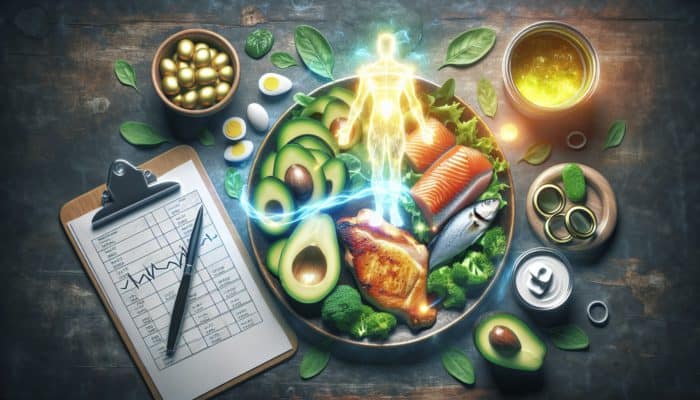
At the core of a successful keto diet lies a steadfast commitment to embracing high-fat and low-carb foods, which are crucial for inducing a metabolic state known as ketosis. This state marks a significant transformation, where your body shifts from relying on glucose for energy to utilising fat as its primary fuel source. This metabolic transformation can result in significant weight loss and enhanced energy levels. To achieve a cost-effective approach, focus on smart ingredient substitutions and maintain portion control. Instead of splurging on expensive cuts of meat, consider budget-friendly protein sources like chicken thighs or canned fish, which not only save money but are also incredibly versatile.
Moreover, meal preparation can be simplified by integrating affordable staples such as eggs, cheese, and leafy greens. These essentials not only create a strong foundation for a keto diet but also allow for the flexibility to prepare a wide array of meals without straining your budget. A practical way to start is by organising your grocery shopping around these key items, ensuring you remain well-stocked while effectively managing costs.
How can you choose cost-effective staples for your keto diet?
Selecting budget-friendly keto staples is a vital skill that can significantly influence your financial well-being while navigating the keto lifestyle. Begin with eggs, often regarded as the ultimate keto-friendly food due to their affordability and versatility. They can be scrambled, fried, boiled, or incorporated into various dishes, making them a fundamental ingredient in countless keto recipes. Additionally, cheese serves as a fantastic source of fats and proteins at an economical price. Opt for block cheese, which typically costs less than pre-shredded varieties and can be seamlessly added to a multitude of meals.
Leafy greens such as spinach, kale, and swiss chard are also indispensable in your keto journey. These vegetables provide essential nutrients and are often available at lower prices when in season. Other cost-effective staples include canned fish like tuna or sardines, which are excellent protein sources and rich in omega-3 fatty acids, making them ideal for enhancing salads or quick meals.
When selecting these staples, consider exploring local markets or bulk stores where you can often find better deals. Prioritising these affordable options enables you to maintain a nutritious balance without overspending on premium products.
What advantages does meal planning offer in a keto lifestyle?
Meal planning is a transformative approach for those aiming to adhere to a keto diet while managing their expenses effectively. Here are the primary advantages of incorporating meal planning into your routine:
- Saves Time: Pre-planning meals significantly reduces the daily stress of deciding what to cook.
- Minimises Waste: By carefully purchasing only what is necessary, you can avoid food spoilage and the costs associated with it.
- Controls Spending: A well-structured meal plan assists you in sticking to your budget, preventing impulsive purchases.
- Supports Keto Goals: Regular meal planning guarantees adherence to your macronutrient ratios, promoting successful weight loss.
- Encourages Variety: Planning allows for an exciting selection of meal options, keeping your diet interesting and preventing monotony.
- Enhances Culinary Skills: Regular meal preparation can improve your cooking abilities, making you more efficient in the kitchen.
With these compelling benefits, meal planning becomes an essential strategy for anyone committed to maintaining a keto lifestyle while avoiding financial strain. By dedicating time each week to outline your meals, you not only save money but also invest in your health and overall well-being.
What steps should you follow to create balanced meals on a keto diet?

How can you develop an effective weekly keto menu?
Crafting a weekly keto menu begins with a strategic approach to selecting meals that feature affordable proteins and vegetables while ensuring they are delicious and diverse. Start by examining your pantry and refrigerator to identify ingredients you already have. This practice helps prevent over-purchasing and ensures you maximise the use of existing items. Then, select a few core proteins, such as chicken, pork, or tofu, and build your meals around these economical choices.
Next, choose a range of low-carb vegetables that can be incorporated across different meals. Options like broccoli, cauliflower, and zucchini not only deliver essential nutrients but also adapt well to various cooking methods. To keep your menu engaging, vary your cooking techniques weekly; for instance, one evening might involve roasting vegetables, while another could feature a stir-fry.
Include recipes that can be prepared in bulk, such as casseroles or soups, which are easy to store and reheat. This not only saves time but also helps you stay aligned with your macro goals by creatively using leftovers. By designing your menu this way, you ensure a satisfying and diverse week of meals that supports your keto journey.
What strategies can assist you in effectively budgeting for keto ingredients?
Budgeting for keto ingredients doesn’t have to be a daunting task; with a few strategic approaches, you can keep costs low while maintaining quality. One of the most effective strategies is to buy in bulk. Items such as nuts, seeds, and oils often cost less per unit when purchased in larger quantities, reducing expenses while ensuring you have essential staples readily available.
Moreover, choosing seasonal produce can lead to substantial savings. Seasonal vegetables are typically cheaper, fresher, and more flavourful. Visit local farmers' markets or look for sales at grocery stores to obtain these items at their best prices. Another smart tip is to incorporate frozen vegetables into your meals, as they are usually cheaper than fresh options and have a longer shelf life, significantly cutting down on food waste.
Stay vigilant for store promotions and create a shopping list based on the deals you discover. This strategy helps you avoid impulse buys, allowing you to focus on what you genuinely need for your keto meal plan. By implementing these budgeting strategies, you can relish a delicious keto diet without financial strain.
What common pitfalls should you steer clear of during meal preparation?

While meal preparation can be an effective strategy for achieving success on the keto diet, several common mistakes can impede your efforts. One major error is overbuying perishables. It’s easy to overindulge at the grocery store; however, purchasing more fresh produce than you can realistically consume before it spoils leads to unnecessary waste and expense. Stick to items you know will be used within the week.
Another misstep is neglecting to plan meals that utilise similar ingredients. This can result in leftover items that do not fit into your upcoming meal plans. To avoid this challenge, think strategically about how to incorporate each ingredient across various meals. For instance, if you purchase a head of cabbage for one dish, consider how you can use it in salads or stir-fries later in the week.
Overlooking portion sizes is another frequent mistake. Accurately measuring portions during meal prep is essential to prevent cooking excess food that could lead to waste or overeating. Additionally, not having snacks prepared can result in temptation and unhealthy eating choices when hunger strikes. Keeping keto-friendly snacks readily available can help you stay on course. By acknowledging and avoiding these pitfalls, you can refine your meal prep process, making it more efficient and cost-effective.
How can you balance macronutrients in your keto meals?
Achieving an appropriate balance of macronutrients is crucial for maintaining a thriving keto diet. The general guideline suggests aiming for approximately 70-75% fat, 20-25% protein, and 5-10% carbohydrates. To reach this balance, start by calculating your daily macronutrient needs using a macro calculator, which can provide personalised figures based on your weight, activity level, and dietary objectives.
Incorporate a variety of healthy fats into your meals. Foods like avocados, olive oil, and nuts are excellent sources that not only enhance flavour but also help you meet your fat requirements. Similarly, select protein sources that are low in carbohydrates, such as fatty cuts of meat, eggs, and fish. These choices assist you in reaching your protein targets while seamlessly fitting into a keto lifestyle.
When it comes to low-carb vegetables, prioritise those with high nutrient density, such as leafy greens and cruciferous vegetables. They provide essential vitamins and minerals without significantly increasing your carbohydrate intake. Tracking your meals through apps or journals can help you stay accountable and adjust your macronutrient consumption as needed.
By ensuring that your meals contain a balanced mix of fats, proteins, and low-carb vegetables, you promote optimal energy levels and sustainability throughout your keto journey.
Expert Techniques for Cooking on a Keto Diet Without Breaking the Bank
What practical steps can you take to source ingredients efficiently?
Sourcing ingredients for a keto diet on a budget requires careful planning and savvy shopping habits. Start by creating a shopping list based on your meal plan, ensuring it includes only what you need. This list helps you avoid impulse purchases and provides a clear target while shopping.
Explore local markets or discount stores, where fresh produce and meats are often available at lower prices. Purchasing in bulk from wholesalers or co-operatives can also be an effective strategy for reducing costs, particularly for keto staples like nuts, seeds, and oils that have a longer shelf life. Don’t hesitate to use coupons or take advantage of sales; these can significantly lower your grocery expenses.
Consider joining a community-supported agriculture (CSA) programme. This allows you to receive a seasonal box of fresh produce at a discounted rate, typically sourced from local farms. Doing so supports local farmers while ensuring a continuous supply of fresh, affordable vegetables for your meals.
Additionally, keep an eye on discounts for meat and fish, especially for items nearing their sell-by date. Freezing these products can extend their usability, enabling you to stock up at a lower price. By implementing these strategies, you can establish a sustainable and budget-friendly approach to sourcing your keto ingredients.
How does portion control influence your overall costs?
Portion control is crucial for managing both your budget and achieving your keto fitness objectives. By accurately measuring servings, you can minimise food waste, prevent overeating, and ensure the right amounts of fats, proteins, and carbohydrates are consumed. This practice not only aids in staying within budget but also aligns with your macronutrient goals.
During meal preparation, employ food scales or measuring cups to gauge portion sizes accurately. This practice reinforces a healthy eating pattern while holding you accountable to your keto diet. Planning creatively to use leftovers in subsequent meals allows you to stretch your food further without letting it go to waste. For instance, leftover chicken from one meal can easily be transformed into a salad or stir-fry the following day.
Moreover, pre-portioning snacks helps mitigate impulsive eating. Prepare portion-controlled snacks like nuts or cheese sticks to have readily available when hunger strikes, ensuring you remain within your daily macro limits while managing expenses. By applying these portion control techniques, you’ll enhance your overall keto experience without overspending.
What techniques can elevate the flavour profile of your keto meals?
Enhancing the flavour of your keto meals doesn’t require expensive ingredients. By employing simple techniques, you can create delightful dishes that satisfy your palate while remaining budget-conscious. Start with herbs and spices; a diverse array can transform even the simplest ingredients into culinary masterpieces. Fresh herbs like basil, cilantro, and parsley can elevate a dish, while dried spices such as cumin, paprika, and garlic powder provide robust flavours without adding significant costs.
Experimenting with various cooking methods can also enhance your meals. Roasting vegetables caramelises their natural sugars, intensifying their sweetness, while grilling meats imparts a smoky flavour profile. Additionally, incorporating acids like lemon juice or vinegar can brighten dishes, making them more appetising.
Don’t underestimate the importance of umami in your cooking. Ingredients such as soy sauce, miso, and fermented foods can contribute depth and savouriness to your dishes without adding significant carbs. Consider including low-carb condiments like salsa or mustard to enhance flavour while keeping meals engaging.
By applying these techniques, you can craft enjoyable, flavour-packed meals that are both satisfying and budget-friendly, ensuring you maintain your keto lifestyle without monotony.
What effective tactics can you employ for affordable keto meal planning?
Formulating affordable meal planning strategies is essential for sustaining a keto diet without financial strain. Start by mapping out your meals for the week, encompassing breakfast, lunch, dinner, and snacks. This organised approach prevents last-minute decisions that often lead to unhealthy choices or overspending.
When planning, prioritise batch cooking. Preparing large quantities of specific dishes allows you to save both time and money. For example, cook a large pot of keto chili or soup, then portion it out for multiple meals. This not only reduces cooking time throughout the week but also ensures you have nutritious options readily available.
Incorporate theme nights into your meal planning. Designate one night for meatless meals or meat-centric dishes. This adds variety while helping to utilise ingredients that might otherwise go to waste.
Utilise leftovers creatively in your meal planning. If you have leftover roasted chicken, for instance, think about using it in salads or wraps the following day. This practice saves both time and money while ensuring you're maximising your groceries.
Finally, don’t forget to include snacks in your meal plan. Keeping keto-friendly snacks on hand will help you avoid reaching for non-keto options when hunger strikes. By implementing these strategies, you can create a system that maintains both your budget and commitment to a delightful keto diet.
What essential recipes should you incorporate into your keto meal plan?
How can you prepare simple egg-based dishes?
Eggs are a nutritional powerhouse within the keto diet, offering a low-cost and versatile base for an array of dishes. Scrambled eggs represent a classic choice; simply whisk eggs with a splash of cream and cook them in butter for a rich and creamy breakfast. To elevate your scrambled eggs, consider adding sautéed vegetables such as spinach or bell peppers, along with some cheese for enhanced flavour and fat content.
Another fantastic egg dish is the omelette. Combine eggs with your preferred fillings, such as cheese, diced ham, or sautéed mushrooms, and cook until set. Omelettes are suitable for any time of day, and you can vary the fillings to keep your meals fresh and exciting. For a quick meal option, consider preparing egg muffins. Beat eggs and pour them into a muffin tin with your favourite keto-friendly ingredients. Bake until set, providing a convenient snack or breakfast option for the week.
Deviled eggs are another excellent choice, serving as a nutritious snack or appetiser. Simply hard-boil eggs, slice them in half, and mix the yolks with mayo and mustard before piping the mixture back into the egg whites. This dish is not only flavourful but can also be made in bulk for gatherings or meal preparation.
By incorporating these egg-based dishes into your meal rotation, you can savour a variety of flavours while adhering to your keto budget.
What ideas can you explore for vegetable-focused keto sides?
Vegetables play a crucial role in the keto diet, and there are endless creative ways to prepare them that maintain excitement and nutritional value in your meals. Start with roasted vegetables. Toss low-carb options like broccoli, cauliflower, and zucchini in olive oil and seasoning, then roast until they are tender. Roasting not only enhances their natural sweetness but also adds a delightful texture that complements any main dish.
Consider stir-frying as another method for crafting keto-friendly sides. Using a mix of vegetables, you can whip up a quick, flavourful dish. Incorporate soy sauce or coconut aminos for added umami, and sprinkle sesame seeds for a satisfying crunch. This method is perfect for utilising whatever vegetables you have on hand, minimising waste while creating delicious meals.
Steaming is another healthy preparation option that preserves nutrients in your vegetables. Pair steamed greens like kale or spinach with a drizzle of olive oil and lemon juice for a refreshing side dish that complements any protein.
Don’t forget to include salads in your meal plan! Use a mix of greens, incorporate nuts or seeds for crunch, and top with a delectable dressing made from olive oil and vinegar. Salads are incredibly versatile and provide a fantastic way to use up leftover vegetables.
By focusing on these vegetable-based sides, you can ensure your keto meals remain diverse, nutritious, and budget-friendly.
What are some budget-friendly protein alternatives?
Identifying budget-friendly protein alternatives is critical for adhering to a keto diet without overspending. One of the most optimal options is canned fish. Tuna, salmon, and sardines are not only affordable but also rich in protein and healthy fats. They can be easily added to salads, mixed with mayo for a quick dip, or incorporated into casseroles.
Another excellent source of protein is eggs. As previously mentioned, they are incredibly versatile and can be prepared in various ways, from boiled to baked. For a hearty meal, consider tofu or tempeh. These plant-based proteins are low in carbs and can be marinated and cooked in numerous styles, offering a delicious alternative to meat.
Ground meats such as turkey or pork are also economical options. They can be utilised in soups, casseroles, or even as fillings for lettuce wraps. Purchasing in bulk often yields savings, and you can freeze portions for future use.
Lastly, consider integrating legumes in moderation. While they do contain some carbohydrates, they also offer protein and can be budget-friendly when used sparingly in meals. By exploring these protein alternatives, you can enjoy a satisfying keto diet without financial strain.
Proven Techniques for Cooking a Keto Diet on a Budget
What essential tools can simplify keto cooking?
Investing in a few kitchen tools can streamline your keto cooking process and enhance your culinary experience. First and foremost, a good set of knives is essential for efficient preparation work. Sharp, quality knives enable precise cutting of vegetables and meats, effectively reducing the time spent in the kitchen.
A cutting board is also crucial for food preparation. Opt for a larger board that can accommodate various ingredients without overcrowding. Consider using measuring cups and food scales for portion control; these tools ensure that you adhere to your macro goals while preventing food waste.
Another invaluable tool is a slow cooker. This appliance simplifies meal prep, allowing you to toss in your ingredients in the morning and return home to a ready-to-eat meal. Similarly, an instant pot can be a game changer, dramatically reducing cooking times for stews, soups, and meats, resulting in tender, flavourful dishes without hassle.
Finally, consider investing in a spiralizer. This tool transforms vegetables like zucchini into noodles, providing a fantastic low-carb alternative for pasta dishes. By utilising these tools, you can simplify your keto cooking while enhancing efficiency and enjoyment in the kitchen.
How can you adjust cherished family recipes to be keto-friendly?
Adapting family recipes for a keto diet involves creativity and a solid understanding of ingredient substitutions that preserve flavour while reducing carbs. Start by reviewing your favourite recipes and identifying the high-carb components. For example, if a recipe calls for pasta, consider swapping it out for zoodles (zucchini noodles) or spaghetti squash.
When it comes to baking, use almond flour or coconut flour instead of traditional flours. These low-carb alternatives maintain the texture and taste of baked goods while keeping them keto-friendly. If your family recipe calls for sugar, replace it with erythritol or stevia, both of which provide sweetness without the carbs.
For dishes requiring breadcrumbs, try using crushed pork rinds or almond flour as a crunchy coating for meats. This not only maintains the dish's keto integrity but also enhances flavour.
Finally, consider portion sizing. Family recipes often yield large quantities; think about halving the recipe to avoid leftovers that could tempt you to stray from your keto goals. By thoughtfully adapting your family recipes, you can enjoy cherished meals while adhering to your dietary needs.
What methods can help you track ingredient expenses?
Tracking ingredient expenses is essential for maintaining a budget while following a keto diet. Here are some practical methods to help you manage your spending effectively:
- Utilise a Spreadsheet: Create a basic spreadsheet to log your purchases, noting the cost of each item. This allows you to accurately track where your money is being allocated.
- Mobile Apps: Use budgeting apps that enable you to input your grocery expenses, helping you stay mindful of your budget consistently.
- Compare Prices: Invest time in comparing prices across different stores or online. You may discover better deals at local markets or discount grocery stores.
- Weekly Ad Scans: Check weekly grocery advertisements for sales and discounts on keto staples, planning your shopping list accordingly.
- Monitor Portions Used: Keep a record of how much of each ingredient you utilise in your meal prep, which can help refine your purchases in the future.
- Set a Weekly Budget: Determine a fixed amount you're willing to spend each week on groceries and monitor your spending against this limit.
- Utilise Cash: Withdraw your grocery budget in cash for the week. This method allows you to visually see how much you have left and helps curb overspending.
By employing these strategies, you can maintain control over your ingredient expenses while successfully adhering to a budget-friendly keto diet.
How to Stay Committed to Your Keto Journey?
What routines can help establish long-term keto habits?
Establishing routines is crucial for cultivating enduring habits on a keto diet. Begin by designating a specific meal prep day each week. Committing this time allows you to plan, shop, and prepare your meals in advance, reducing the temptation to stray from your diet during busy periods.
Incorporating a food journal can also bolster accountability. Tracking your meals, snacks, and feelings about food promotes mindfulness and reinforces your commitment to the keto lifestyle. Additionally, consider establishing regular check-ins with yourself or a support group to discuss challenges and celebrate achievements.
Building a supportive environment is equally essential. Surround yourself with friends or family members who back your goals or join online keto communities where you can share experiences and recipes. Celebrating small milestones, whether it’s losing a few kilos or sticking to your meal plan for a week, can keep your motivation high.
By integrating these routines into your life, you’ll create a sustainable framework for success that enhances your keto journey.
What challenges might you face while maintaining a keto budget?
Maintaining a keto budget can present several challenges, with the most prevalent being the allure of non-keto foods. It is easy to be tempted by high-carb snacks and meals when dining out or attending social events. To counter this, cultivate a mindset of preparation; always have a healthy keto snack on hand when you’re out to minimise impulsive eating.
Another challenge involves the perception of higher costs associated with healthy eating. While some keto ingredients may carry a higher price tag, focusing on seasonality and sales can alleviate this concern. Plan meals around what’s on sale and incorporate budget-friendly ingredients like eggs, canned fish, and frozen vegetables.
Social pressures can complicate your budgeting efforts, especially during gatherings where unhealthy food options are prevalent. To navigate these situations, consider bringing your own keto-friendly dish to share, ensuring you have something nutritious to enjoy while providing a delicious option for others.
Lastly, the occasional boredom with meal choices can lead to drifting from your budget. To combat this, strive for variety in your meal prep. Try new recipes regularly, experiment with different spices, and include a broader array of vegetables to keep your meals fresh and appealing.
By recognising and addressing these challenges, you can maintain your budget and remain dedicated to your keto lifestyle.
What rewards can you give yourself for achieving keto milestones?
Celebrating milestones in your keto journey is essential for sustaining motivation and enthusiasm. Rewards do not need to be extravagant; simple, no-cost incentives can be incredibly effective. For instance, take a moment to reflect on your progress; journal about your achievements, noting how you feel both physically and mentally.
Set small goals, such as adhering to your meal plan for a week or losing a specific amount of weight. Upon achieving these targets, treat yourself to a self-care day—whether it’s indulging in a long bath, going for a hike, or simply taking time to relax with a good book.
Sharing your successes with friends or family can also serve as motivation. Celebrate your accomplishments by hosting a healthy gathering where you can showcase your keto-friendly dishes. This reinforces your commitment while encouraging others to join your journey.
Consider creating a progress board in your kitchen where you visually track your accomplishments. Marking off milestones serves as a daily reminder of your dedication to this lifestyle.
By adopting these reward strategies, you can maintain enthusiasm and commitment to your keto diet, transforming the journey into an enjoyable experience.
How to Evaluate Your Keto Progress?
What indicators signify successful keto adaptation?
Identifying the signs of successful keto adaptation is vital for assessing whether your budget-friendly approach is effective. One of the earliest indicators is often changes in energy levels. Many individuals report feeling more energetic and alert after they adjust to ketosis, as the body becomes proficient at burning fat for fuel.
Another sign is weight changes. While individual results may vary, numerous people notice gradual weight loss during the initial weeks of a keto diet. It’s essential to monitor not just the scale but also body measurements and how your clothes fit, as these factors can provide a more comprehensive perspective on your progress.
Mental clarity is another positive outcome frequently reported by those on a keto diet. Many experience enhanced focus and reduced brain fog once they’ve adjusted to utilising ketones instead of glucose.
You may also observe a decrease in cravings for sugary and high-carb foods. This change indicates that your body is becoming accustomed to a lower carbohydrate intake, marking a significant success in the adaptation process.
By paying attention to these signs, you can confidently evaluate your progress and make any necessary adjustments to your keto strategy.
How can you modify recipes based on feedback?
Adjusting recipes based on feedback is a crucial part of maintaining a successful keto diet. Start by observing how you and your family respond to each dish. If a recipe receives less enthusiasm than expected, take notes on possible enhancements. Perhaps a dish was too bland, or a particular ingredient didn’t resonate well.
Experiment with flavour enhancers like herbs and spices to elevate your meals; sometimes, a simple adjustment can transform a dish from mediocre to spectacular. If a recipe feels overly heavy, consider reducing fat or substituting lighter ingredients while maintaining the keto balance.
Don’t hesitate to try alternative cooking methods, as this can significantly modify the outcome of a dish. For instance, if you typically roast vegetables, consider steaming or grilling them instead, which might better highlight their natural flavours.
When modifying recipes, make incremental changes. Rather than overhauling a dish entirely, tweak one element at a time; this allows you to clearly assess the impact of each adjustment. Engaging your family in this process can also provide valuable insights, making them feel involved and invested in your keto journey.
By using feedback constructively, you can refine your recipes, keep meals enjoyable, and ensure they align with your keto objectives.
What long-term strategies can support keto sustainability?
Sustaining a keto diet over the long term requires strategic planning and flexibility. One effective strategy is to rotate your ingredients. This practice prevents monotony and ensures you’re obtaining a variety of nutrients. Incorporate different proteins, vegetables, and fats each week to keep meals interesting.
Consider planning for leftovers strategically, ensuring that your meals serve dual purposes. If you prepare a substantial batch of chicken, plan to use leftovers in salads or wraps the following day. This not only saves time but also helps you manage costs effectively.
Engage in regular self-reflection regarding your food choices. Assess what’s working or what feels sustainable. If you find certain meals challenging to prepare or ingredients hard to source, adjust accordingly.
Stay connected with the keto community, whether through social media groups or local meet-ups. Sharing experiences, recipes, and tips can provide fresh ideas and reinforce your commitment.
Finally, maintain a positive mindset. Focus on the benefits you are experiencing from your keto lifestyle rather than viewing it as a restrictive diet. Celebrate your progress and continue to explore new recipes and ideas that keep the journey enjoyable and fulfilling.
FAQs About the Keto Diet
What is the keto diet?
The keto diet is a low-carbohydrate, high-fat eating plan designed to promote ketosis, where the body burns fat for fuel instead of carbohydrates.
Can I eat fruits on a keto diet?
While many fruits are high in carbohydrates, you can enjoy small portions of low-carb fruits like berries, avocado, and tomatoes in moderation.
How can I ensure I get enough nutrients on a keto diet?
Focus on a variety of low-carb vegetables, healthy fats, and quality protein sources to ensure you're meeting your nutritional needs.
Is meal prepping necessary for a keto diet?
Meal prepping is not mandatory but highly beneficial as it helps you stay on track, saves time, and reduces the temptation to stray from your diet.
How do I know if I’m in ketosis?
Signs of ketosis include increased energy, reduced appetite, and changes in breath or urine, which can also be tested with ketone strips.
What are some low-cost keto snacks?
Low-cost keto snacks include hard-boiled eggs, cheese, nuts, and sliced vegetables with dip, all of which are budget-friendly and nutritious.
Can I eat dairy on a keto diet?
Yes, most dairy products are suitable for a keto diet; opt for full-fat options like cheese, cream, and Greek yogurt for best results.
What should I do if I hit a weight loss plateau on keto?
Reassess your macronutrient ratios, ensure proper hydration, and consider re-evaluating your food choices to break through a plateau.
Is it possible to follow a keto diet on a vegetarian or vegan diet?
Yes, it is possible but requires careful planning to ensure you get enough proteins and fats while avoiding high-carb foods.
How long should I stay on a keto diet?
The duration varies by individual goals, but many choose to adopt a modified keto lifestyle long-term, incorporating higher carb days when needed for balance.
Connect with Us on Facebook!
The post How to Cook for a Keto Diet on a Budget: Tips for Success appeared first on https://cookinggods.com
The Article Keto Diet Cooking on a Budget: Success Tips Was Found On https://limitsofstrategy.com