Enhance Your Look with Proven Jawline Contouring Techniques
What Exactly Is Jawline Contouring?

Jawline contouring is an innovative cosmetic treatment aimed at refining the definition and shape of the jawline. This enhancement can be accomplished through various techniques, both surgical and non-surgical, catering to a wide audience with differing needs and preferences. The rising popularity of jawline contouring resonates with those who aspire to achieve a more sculpted and defined facial profile. Some of the most sought-after methods include:
- dermal fillers
- jawline implants
- Botox injections
- fat grafting
- thread lifts
- orthognathic surgery
- non-invasive ultrasound treatments
- radiofrequency skin tightening
Each method is tailored to meet individual aesthetic goals and unique requirements. Important considerations include the desired results, recovery time, and financial budget, all of which play a crucial role in selecting the most fitting approach. This ensures outcomes align harmoniously with one’s personal aspirations for enhanced facial aesthetics.
The Importance of a Defined Jawline for Aesthetic Appeal
A well-defined jawline significantly enhances overall facial aesthetics, contributing to a more youthful and alluring appearance. This crucial feature is vital for achieving facial harmony, as it profoundly affects how other facial characteristics are perceived. Many individuals discover that a sharp jawline not only elevates their confidence but also improves their self-image, as it is universally regarded as a hallmark of beauty across various cultures. Furthermore, a prominent jawline often conveys attributes such as strength and vitality, making it a highly sought-after trait for both men and women.
The relevance of a well-defined jawline goes beyond aesthetics; it also impacts social interactions and initial impressions. In professional environments, a defined jawline can project authority and competence, while in casual settings, it can enhance perceived attractiveness. Thus, the quest for an aesthetically pleasing jawline transcends mere vanity, tapping into deeper psychological and societal factors that influence our self-perception and how we connect with others.
Who Stands to Gain from Jawline Contouring Treatments?
Jawline contouring offers advantages to a broad spectrum of individuals. Those with weak or undefined jawlines frequently seek these procedures to achieve greater definition and symmetry within their facial structure. Additionally, individuals looking to rectify asymmetry, where one side of the jawline markedly differs from the other, can experience notable improvements through contouring techniques.
As people traverse different life stages, the natural aging process can lead to diminished volume and elasticity, often resulting in sagging skin around the jawline. This condition can prompt many to pursue jawline contouring as a rejuvenation strategy. Importantly, anyone keen on enhancing their facial profile and achieving an aesthetically pleasing visage can benefit from these procedures, whether through subtle non-surgical adjustments or more extensive surgical interventions.
What Are the Risks and Key Considerations for Jawline Contouring?

Like any cosmetic intervention, jawline contouring carries potential risks and side effects that must be thoroughly assessed. Possible complications may encompass infections, allergic reactions to fillers, and dissatisfaction with results. It is also vital to acknowledge that surgical options might entail greater risks, such as nerve damage or prolonged recovery periods.
Before embarking on any treatment, it is essential to consult a qualified professional who can conduct a comprehensive evaluation of personal health conditions and aesthetic aspirations. Entering the realm of jawline contouring should be approached with realistic expectations and a clear understanding of potential outcomes and limitations. Engaging in open discussions with practitioners can clarify achievable results and ensure a safe, satisfactory experience.
Professional Insights for Perfecting Jawline Contours
What Techniques Do Specialists Employ for Jawline Contouring?
Experts utilise a variety of techniques to achieve the desired jawline contours, each specifically tailored to meet the patient’s unique needs and aesthetic objectives. Among the most prevalent methods are dermal fillers, which can effectively enhance volume and definition without necessitating surgical intervention. For instance, a reputable clinic in London has successfully utilised fillers to sculpt clients' jawlines, providing subtle enhancements minus the inconvenience of recovery time.
Surgical alternatives, such as jawline implants, are also common and can result in significant changes. A case study from a New York clinic indicated high patient satisfaction after implant procedures, leading to a more pronounced jawline and improved facial balance. Additionally, minimally invasive techniques like thread lifts and ultrasound treatments are gaining traction, delivering immediate results with shorter recovery times.
The success of these outcomes often hinges on the specialist's expertise and their understanding of facial anatomy. Therefore, it is advisable to select practitioners with robust portfolios and positive patient feedback to guarantee optimal results.
What Key Factors Influence the Effectiveness of Jawline Contouring?
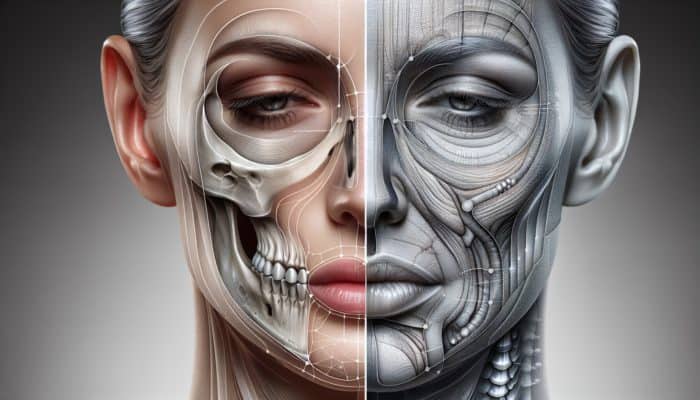
Several factors can profoundly influence the outcomes of jawline contouring, including bone structure, skin elasticity, and overall health. The natural bone structure serves as the foundation for what can be achieved through contouring; some individuals may require more extensive procedures due to naturally weaker jawlines. Skin elasticity is equally vital; younger skin typically responds more favourably to treatments, while older skin might necessitate additional care and consideration.
To enhance the results of jawline contouring, individuals should take the following actionable steps:
- Consult with a qualified specialist to evaluate personal facial anatomy.
- Adopt a healthy lifestyle that includes a balanced diet and regular exercise.
- Stay well-hydrated to support skin elasticity.
- Adhere to the practitioner’s pre-treatment guidelines.
By addressing these factors, individuals can significantly improve their chances of achieving the desired jawline contours and overall satisfaction with the results.
How Can You Select the Right Specialist for Jawline Contouring?
Choosing a skilled and experienced specialist is critical for achieving satisfactory results in jawline contouring. It is essential to evaluate their qualifications and experience, alongside their approach to aesthetic procedures. Thoroughly reviewing their portfolio can provide valuable insights into their style and proficiency.
In addition to examining qualifications, consider the following factors:
- Patient reviews and testimonials to gauge satisfaction levels.
- A consultation to discuss your aesthetic goals and expectations.
- The clinic's commitment to safety and hygiene practices.
- Post-procedure support and follow-up care options.
Building a rapport with your practitioner and ensuring they listen attentively to your concerns can contribute to a more fulfilling experience. Ultimately, a well-chosen specialist can profoundly influence the success of your jawline contouring journey.
Exploring Non-Surgical Techniques for Jawline Enhancement
Maximising Jawline Definition with Dermal Fillers
Dermal fillers have emerged as a preferred choice for individuals aiming to enhance their jawline without resorting to surgical options. These non-invasive treatments involve injecting hyaluronic acid or other volumising agents to sculpt a more defined jawline. The procedure is relatively quick, often completed in under an hour, making it an ideal option for busy individuals seeking immediate results.
One of the primary benefits of dermal fillers is their ability to add volume and structure, effectively shaping the jawline without the need for incisions. Additionally, results can be customised to align with the individual’s preferences, whether they desire a subtle enhancement or a more dramatic transformation. Many practitioners skillfully utilise fillers to create a natural-looking contour that harmonises beautifully with the rest of the facial features.
However, it is essential to consult with a skilled practitioner to ensure that the technique is applied correctly. The placement, quantity, and type of filler used can significantly influence the final appearance. Regular touch-ups may be necessary, typically every six to twelve months, to maintain the desired look.
What Are the Advantages of Non-Surgical Jawline Contouring Methods?
Non-surgical techniques for jawline contouring offer a multitude of advantages, contributing to their escalating popularity. One of the most significant benefits is the minimal downtime compared to surgical alternatives. Many individuals can swiftly resume their daily activities shortly after the procedure, making it an attractive choice for those with hectic schedules.
Moreover, non-surgical methods generally present fewer risks and complications. Since these procedures are less invasive, the likelihood of adverse effects, such as infections or prolonged recovery, is markedly reduced. Immediate results are often evident, which is a major appeal for many seeking quick solutions.
These approaches also provide greater flexibility. If a patient desires only a subtle enhancement, the practitioner can adjust the treatment accordingly, leaving room for future modifications. Overall, non-surgical jawline contouring offers a safe, effective, and convenient solution for those looking to enhance their facial profile without extensive procedures.
How Long Can You Anticipate Non-Surgical Results to Last?
The longevity of non-surgical jawline contouring results can fluctuate based on multiple factors, including the type of filler utilised and individual characteristics such as metabolism and lifestyle. Generally, results from dermal fillers can persist from six months to two years. For instance, hyaluronic acid fillers typically last around six to twelve months, as the body gradually metabolises the substance.
To extend the effects of non-surgical enhancements, patients are encouraged to maintain an optimal lifestyle, which includes staying hydrated and adhering to a diligent skincare routine. Regular follow-up treatments are often recommended to sustain the desired appearance. Some practitioners may suggest a maintenance plan where patients return for touch-ups every six months to one year.
Ultimately, understanding the expected duration of results can help patients establish realistic expectations and engage in comprehensive aftercare to maximise their outcomes.
Investigating Surgical Options for Jawline Contouring
Jawline Implants: Understanding the Procedure and Recovery Process
Jawline implants represent a surgical option that involves placing solid silicone implants to enhance the jaw's shape and definition. This procedure is ideal for those seeking a more pronounced jawline and typically requires general anaesthesia. The operation generally lasts between one to two hours, and most patients can return home the same day.
Recovery from jawline implants usually spans a few weeks, during which patients may encounter swelling, bruising, and discomfort. It is crucial to follow the surgeon's post-operative instructions to ensure a smooth healing process. Key considerations for those contemplating jawline implant surgery include:
- The potential for visible scarring, which is typically well-concealed within natural skin folds.
- The importance of selecting a board-certified surgeon with extensive experience in facial procedures.
- Understanding the permanence of the results, as implants are intended to be long-lasting.
- Awareness of the recovery period and necessary lifestyle adjustments during the healing phase.
Patients should engage in a comprehensive consultation to weigh the benefits and risks before proceeding with jawline implant surgery, ensuring they are fully informed and prepared.
Orthognathic Surgery: A Comprehensive Approach to Jawline Correction
Orthognathic surgery is a complex surgical option designed to correct jaw misalignments while enhancing overall facial structure. This procedure is often recommended for individuals with significant jaw discrepancies that affect both functionality and aesthetics. During surgery, the surgeon repositions the jawbone to achieve a more balanced and harmonious facial profile.
While orthognathic surgery can yield dramatic improvements in jawline contours, it typically necessitates a longer recovery period than other methods. Patients may need to follow a soft-food diet and can anticipate swelling and discomfort for several weeks following the procedure. It is essential to have realistic expectations, as the full results may take time to become apparent.
Candidates for orthognathic surgery should undergo thorough evaluations, including imaging studies, to assess the extent of their jaw misalignment. Engaging in discussions with an experienced oral and maxillofacial surgeon is crucial to understanding the procedure and how it aligns with their aesthetic goals.
What Are the Risks Associated with Surgical Jawline Contouring?
Surgical jawline contouring, while frequently effective, carries inherent risks that must be carefully weighed. Possible complications may include infection, excessive bleeding, and adverse reactions to anaesthesia. Additionally, there may be concerns regarding nerve damage, which could lead to temporary or permanent changes in sensation.
Dissatisfaction with aesthetic outcomes is another risk that should not be overlooked. Patients need to maintain clear and realistic expectations about what surgical procedures can achieve, as results can vary based on individual anatomy.
Before undergoing any surgical intervention, thorough consultations with qualified professionals can provide essential insights into the associated risks and benefits. Moreover, establishing a solid aftercare plan can mitigate some risks and support optimal healing after surgery.
What Non-Surgical Alternatives Are Available for Jawline Contouring?
For individuals hesitant about surgical options, non-surgical alternatives to jawline contouring present a compelling choice. Treatments such as dermal fillers, Botox, and thread lifts can temporarily enhance the jawline with minimal downtime and lower risk profiles. These methods allow for significant improvements without the commitment of surgical procedures.
Dermal fillers, for instance, provide immediate volume and definition, while Botox can relax muscles in the area, contributing to a more refined jawline. Thread lifts utilise absorbable sutures to lift and define the jawline, delivering results that can last for up to two years.
These alternatives are particularly appealing for individuals seeking gradual changes or those who wish to explore options before committing to more invasive procedures. By consulting with experienced practitioners, patients can explore the full range of non-surgical options available, ensuring they select treatments that align with their aesthetic goals and lifestyle.
Research-Backed Insights on the Benefits of Jawline Contouring
How Does Improving Jawline Definition Influence Psychological Well-Being?
Research indicates that enhancing the jawline can significantly boost self-confidence and improve psychological well-being. Many individuals report feeling more attractive and self-assured after undergoing jawline contouring procedures. Enhanced facial aesthetics, particularly a defined jawline, often correlate with increased social interactions and stronger personal relationships.
Studies have shown that individuals with well-defined jawlines are frequently perceived as more successful and authoritative. This perception can influence various aspects of life, from personal relationships to professional opportunities. Expert analysis suggests that the psychological benefits extend beyond appearance; they can contribute to a more positive self-image and enhanced mental health overall.
For many individuals, the decision to pursue jawline contouring is not solely about physical appearance; it is about the empowerment that comes from feeling confident in one’s skin. This transformative journey can lead to substantial changes in how individuals engage with their surroundings, further emphasising the importance of self-perception in social dynamics.
In What Ways Does Jawline Contouring Impact the Aging Process?
Jawline contouring plays a crucial role in counteracting the effects of aging by restoring lost volume and definition. As we age, the skin naturally loses elasticity, leading to sagging and a decline in structural integrity around the jawline. This can create a tired or aged appearance, often prompting individuals to seek corrective measures.
By utilising techniques such as dermal fillers or surgical implants, the jawline can be revitalised, resulting in a more youthful and vibrant look. Restoring definition can also enhance the overall balance of facial features, allowing individuals to age gracefully while retaining a youthful appearance.
Moreover, by addressing jawline contours, patients can proactively combat signs of aging. This proactive approach can foster a sense of vitality and confidence, influencing how they view themselves and leading to greater life satisfaction.
What Evidence Supports the Impact of Jawline Contouring on Facial Harmony?
Research supports the idea that jawline contouring can significantly enhance overall facial harmony. A well-defined jawline contributes to the balance and proportion of facial features, making the face more aesthetically pleasing. Studies have verified that facial symmetry and harmony are closely linked to perceived attractiveness.
Jawline contouring techniques allow for precise modifications that can optimise facial proportions. By creating a more defined jawline, practitioners can harmonise other features, leading to a more cohesive appearance. Patients frequently report greater satisfaction with their overall appearance after contouring, underscoring the importance of holistic approaches to beauty.
The impact on facial harmony highlights the intricate relationship among various facial features and how they influence one another. Therefore, jawline contouring is not merely about sculpting the jawline; it is about creating a balanced and attractive overall visage.
Preparing for Your Jawline Contouring Procedures
How to Conduct a Comprehensive Pre-Procedure Consultation
A thorough consultation with a specialist is essential for anyone considering jawline contouring. This initial meeting provides the opportunity to discuss goals, expectations, and the most suitable approach for achieving the desired results. During the consultation, patients should be prepared to answer questions regarding their medical history, aesthetic preferences, and any prior cosmetic treatments.
To maximise the effectiveness of the consultation, patients may consider asking the following questions:
- What techniques do you recommend for addressing my specific jawline concerns?
- Can you provide before-and-after photos of previous patients?
- What potential risks are involved in the proposed procedures?
- What should I anticipate during the recovery process?
Establishing clear communication with the practitioner and having a well-defined plan can lead to a smoother experience and more satisfying outcomes. It is crucial to feel comfortable with the chosen approach and specialist before proceeding.
What Should You Expect During the Jawline Contouring Procedure?
Understanding the steps involved in the jawline contouring procedure can significantly alleviate anxiety and ensure a smoother experience. For non-surgical methods, such as dermal fillers, the process typically involves thorough cleansing of the treatment area, followed by precise filler injections to sculpt the jawline. Many practitioners incorporate numbing agents to enhance patient comfort throughout the procedure.
For surgical options such as jawline implants, the process begins with anaesthesia, followed by careful incisions and implant placement to achieve the desired contour. The surgical team will monitor vital signs and ensure patient safety throughout the entire procedure.
Regardless of the method chosen, open communication with the specialist about what to expect can provide reassurance and help set realistic expectations for the outcome. Patients are encouraged to inquire about the specifics of the procedure, including duration and immediate post-treatment care.
Essential Post-Procedure Care and Recovery Strategies
Following any jawline contouring procedure, adherence to post-procedure care instructions is critical for optimal healing and results. Patients should expect some swelling, bruising, or discomfort, depending on the method used. Managing swelling may involve applying ice packs and keeping the head elevated during recovery.
It is vital to follow the practitioner’s specific guidelines, which may include avoiding strenuous activities, refraining from touching or manipulating the treated area, and adhering to a prescribed skincare regimen. Staying well-hydrated and consuming nutrient-rich foods can also support the healing process.
Regular follow-up appointments with the specialist are important for monitoring recovery and addressing any concerns that may arise. Engaging in these practices can significantly enhance the final results, ensuring a smooth transition into the newly contoured jawline.
Strategies for Maintaining Your Jawline Contours Post-Treatment
Long-Term Care for Surgical Jawline Contouring
Long-term care for surgical jawline contouring necessitates a sustained commitment to maintaining results. Patients typically require regular check-ups to monitor the condition of implants and ensure there are no complications. Maintaining a healthy lifestyle is crucial for prolonging the benefits of the surgery; factors such as diet and exercise significantly impact skin health and overall appearance.
Additionally, adhering to the specialist's recommendations for follow-up appointments can help identify issues early. Engaging in a balanced skincare routine that includes sun protection and moisturisation can also support the integrity of the skin surrounding the jawline, further enhancing the long-term results of surgical contouring.
Ultimately, those who invest in jawline sculpting should also commit to maintaining their results through careful lifestyle choices and consistent professional care.
How to Sustain Non-Surgical Jawline Enhancements?
Maintaining non-surgical jawline enhancements may require follow-up treatments, as the effects of fillers and other non-invasive methods tend to be temporary. Patients should be prepared for regular touch-ups, typically every six to twelve months, depending on the type of treatment administered.
In addition to scheduling maintenance appointments, adhering to a diligent skincare routine can help prolong the effects. Incorporating products that promote skin elasticity and hydration can enhance the jawline's overall appearance.
Moreover, lifestyle choices significantly influence the longevity of non-surgical enhancements. Staying well-hydrated, avoiding excessive sun exposure, and engaging in regular exercise can all contribute to the skin's health and appearance, helping to maintain the desired jawline contours over time.
Identifying Lifestyle Factors That Affect Jawline Contour Maintenance
A variety of lifestyle factors can significantly impact the durability of jawline contouring results: diet, exercise, and overall health all play crucial roles in maintaining skin elasticity and structure. A diet rich in antioxidants, vitamins, and healthy fats can support skin health, while regular physical activity promotes blood circulation and skin vitality.
Adequate hydration is another critical factor; consuming plenty of water helps maintain skin elasticity and can reduce the appearance of sagging. Maintaining a balanced skincare routine, including sun protection and regular moisturisation, is essential for preserving jawline contours and overall facial aesthetics.
Conversely, habits such as smoking and excessive alcohol consumption can negatively affect skin health and accelerate signs of aging, potentially undermining the results of jawline contouring procedures. Adopting a healthy lifestyle is a fundamental component of maintaining jawline contours and achieving lasting aesthetic satisfaction.
The Essential Role of Skincare in Preserving Jawline Contours
Skincare plays a pivotal role in maintaining jawline contours by protecting the skin and supporting the underlying structure following treatment. A comprehensive skincare routine should encompass cleansing, exfoliation, and moisturisation to keep the skin healthy and vibrant.
Sunscreen is particularly important; daily application of a high-SPF sunscreen can prevent sun damage and subsequent aging, which can alter the appearance of the jawline over time. Incorporating products rich in peptides and hyaluronic acid can also support skin elasticity and hydration, further enhancing the jawline's overall appearance.
Moreover, regular professional skincare treatments, such as facials or chemical peels, can further boost skin health and maintain the results of jawline contouring. By prioritising skincare and investing in products that support facial structure, individuals can ensure their jawline remains sharp and youthful for years to come.
Future Trends in Jawline Contouring
Innovative Advances in Jawline Contouring Technology
Technological advancements have revolutionised jawline contouring, enabling more precise and effective techniques. New methods and materials are continuously developed, improving both surgical and non-surgical options. Minimally invasive procedures are increasingly in demand, allowing patients to achieve desired results without extensive recovery times.
Technological innovations also include advanced imaging techniques that provide practitioners with in-depth insights into a patient’s facial anatomy. This facilitates more tailored treatment plans and improved outcomes. As technology continues to progress, patients can expect to see increasingly customised approaches that consider individual anatomy and aesthetic goals.
The future of jawline contouring appears promising, with prospects for enhanced safety and efficacy. Practitioners are likely to adopt these innovations to create more satisfying experiences and results for their patients.
What Are the Emerging Techniques in Jawline Contouring?
Emerging techniques in jawline contouring encompass the use of new implant materials and innovative non-surgical methods that promise longer-lasting results. For instance, researchers are exploring biocompatible materials that can integrate more naturally with the body, enhancing patient comfort and outcomes.
Non-surgical methods are also evolving, with the introduction of techniques such as bio-stimulating fillers that encourage natural collagen production, providing longer-lasting results without the need for invasive procedures. Furthermore, advancements in ultrasound and radiofrequency technologies offer alternatives that tighten and lift the skin around the jawline without downtime.
These cutting-edge techniques aim to provide patients with effective solutions tailored to their needs, moving towards an era where treatments are not only more effective but also safer and more comfortable.
How Will Jawline Contouring Evolve in the Coming Years?
The future of jawline contouring is poised for significant evolution, particularly as the demand for minimally invasive procedures continues to rise. Patients increasingly seek approaches that require less downtime while still delivering impressive results. This trend is driving the development of innovative treatments that combine efficacy with convenience.
Personalised treatment plans are expected to become the norm, with practitioners utilising advanced imaging and artificial intelligence to tailor procedures to each patient’s unique anatomy and aesthetic goals. As technology improves, procedures are anticipated to become even safer, more precise, and more effective.
Furthermore, as public awareness of the benefits of jawline contouring increases, more individuals are likely to seek these transformative procedures, broadening specialists' scope of practice and creating a more competitive landscape that fosters innovation.
The Role of Artificial Intelligence in Jawline Contouring
Artificial Intelligence (AI) is becoming increasingly integrated into jawline contouring practices, enhancing precision in both surgical and non-surgical procedures. AI can assist practitioners in planning and executing treatments by providing sophisticated imaging analysis and predictive modelling of outcomes based on individual facial structures.
Through machine learning algorithms, AI can analyse extensive datasets to identify the most effective techniques for achieving desired results, enabling practitioners to make informed decisions tailored to each patient. This technology can significantly enhance the accuracy of procedures, reducing the likelihood of complications and improving overall patient satisfaction.
As AI continues to evolve, its role in jawline contouring is expected to expand, leading to more personalised and effective treatments. This integration will likely establish a new standard for aesthetic procedures, elevating the level of care and results that patients can expect.
Your Most Common Questions About Jawline Contouring Answered
What Is Jawline Contouring?
Jawline contouring is a cosmetic procedure that enhances the definition and shape of the jawline through surgical or non-surgical techniques.
Who Can Benefit from Jawline Contouring?
Individuals with weak or undefined jawlines, those seeking to correct asymmetry, and anyone looking to elevate their facial profile can gain from jawline contouring.
What Common Techniques Are Employed in Jawline Contouring?
Common techniques include dermal fillers, jawline implants, Botox injections, fat grafting, thread lifts, and non-invasive ultrasound treatments.
How Long Do Non-Surgical Results Typically Last?
Non-surgical jawline contouring results generally last from six months to two years, depending on the type of filler used and individual factors.
What Risks Are Associated with Surgical Jawline Contouring?
Risks can include infection, nerve damage, dissatisfaction with results, and complications related to anaesthesia.
How Should I Prepare for Jawline Contouring Procedures?
Preparation involves consulting with a specialist, discussing aesthetic goals, understanding the procedures, and following pre-procedure guidelines.
Can I Maintain Jawline Contours After Treatment?
Yes, maintaining a healthy lifestyle, regular follow-ups, and a diligent skincare routine are essential for preserving jawline contours.
What Is the Psychological Impact of an Improved Jawline?
Enhancing the jawline can boost self-confidence and improve psychological well-being, often leading to more positive social interactions.
How Does Jawline Contouring Affect Aging?
Jawline contouring can restore lost volume and definition, counteracting signs of aging and promoting a more youthful appearance.
What Are the Future Trends in Jawline Contouring?
Future trends include technological innovations, emerging techniques, and the integration of artificial intelligence to enhance precision and personalise treatments.
Connect with us on Facebook!
The Article: Shaping Jawline Contours in Cuts: Techniques and Tips appeared first on Amitys Hair Salon.
The Article Jawline Contours: Essential Techniques and Tips for Cuts Was Found On https://limitsofstrategy.com