How to Assess Your Commercial Cleaning Requirements in Sherborne
Identifying the Unique Cleaning Needs of Commercial Establishments
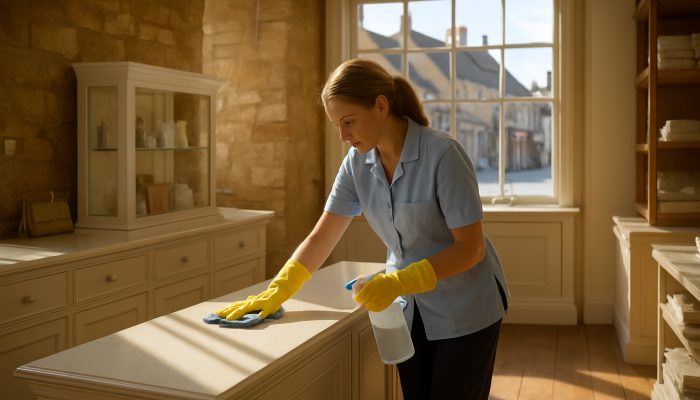

In Sherborne’s commercial cleaning sector, businesses must conduct a thorough evaluation of their specific cleaning needs. This assessment should consider various factors, including property size, usage patterns, and the nature of the business itself. Such evaluations are essential for maintaining high hygiene standards, particularly in commercial environments where cleanliness directly impacts customer perceptions and employee wellbeing. The local economic landscape, which includes retail, hospitality, and professional services, presents unique cleaning requirements that demand bespoke cleaning solutions.
For instance, a bustling café will have distinct cleaning requirements compared to a small office. Cafés, due to their high foot traffic, necessitate frequent cleaning, especially in food preparation areas. In contrast, offices may focus more on sanitising desks and communal spaces. Recognising these variations enables businesses to create effective cleaning schedules that meet their operational demands, thus fostering a healthy and welcoming environment for both staff and clients.
Compliance with local health regulations is critical. The UK imposes stringent guidelines on hygiene in food service and public spaces. Businesses must stay abreast of these regulations to avoid penalties and ensure a safe environment for all involved.
What Challenges Do Commercial Cleaning Professionals Face?
Professionals in the commercial cleaning sector frequently encounter numerous challenges while catering to clients across various industries. Scheduling conflicts often emerge, particularly when businesses operate outside standard hours or require urgent cleaning services. This unpredictability can strain resources and affect service quality, making it imperative for cleaning companies to adopt flexible scheduling practices.
Resource management represents another significant obstacle. Cleaning services must ensure they have the appropriate personnel and equipment available to meet diverse client needs. This often requires a careful balance between workforce management and equipment upkeep to maintain service quality.
Ensuring consistent quality across multiple locations also presents challenges. Each site may have unique cleaning requirements and standards, necessitating comprehensive training and clear communication with cleaning staff to guarantee they consistently meet client expectations.
What Factors Determine Cleaning Frequency in Commercial Spaces?
Deciding on the appropriate cleaning frequency for commercial spaces in Sherborne involves several important considerations. One primary factor is foot traffic; areas with high visitor numbers, such as retail outlets and restaurants, generally require more frequent cleaning to maintain hygiene and visual appeal. Conversely, offices with lower foot traffic may need less frequent cleaning, focusing primarily on essential areas like kitchens and restrooms.
The specific industry also significantly influences cleaning frequency. For example, healthcare facilities must adhere to strict cleaning schedules to reduce infection risks. Educational institutions similarly require regular cleaning to ensure a safe learning environment. Understanding these sector-specific requirements allows businesses to develop effective cleaning protocols.
Seasonal fluctuations may also impact cleaning frequency. During busy periods, such as holidays or local events, businesses may experience increased foot traffic, necessitating more frequent cleaning. During quieter periods, cleaning schedules can be adjusted to optimise resource allocation throughout the year.
Why Should Businesses Prioritise Environmental Impact and Sustainability in Cleaning?
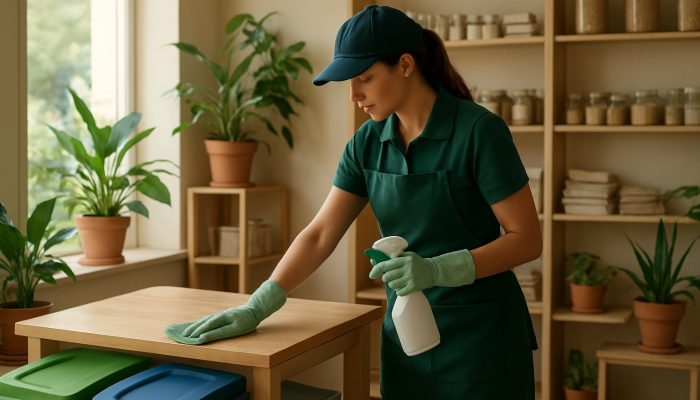
Recently, there has been a marked shift towards environmentally friendly cleaning practices among businesses in Sherborne. This trend is driven by increased consumer awareness of environmental issues and a collective desire to lower carbon footprints. Adopting sustainable cleaning methods not only aligns with client expectations but also bolsters a company’s reputation in the marketplace.
Eco-friendly cleaning products, such as biodegradable detergents and non-toxic disinfectants, are becoming increasingly popular. These products minimise environmental harm while delivering effective cleaning results. Businesses are encouraged to implement waste-reducing strategies, such as using refillable cleaning supplies and initiating recycling programmes.
Many clients actively seek out cleaning companies that demonstrate a commitment to sustainability. By collaborating with local suppliers who prioritise eco-friendly products, businesses can support their community while promoting a greener approach to commercial cleaning. This alignment with environmental values can significantly enhance client trust and loyalty.
How to Select the Right Cleaning Company for Your Commercial Requirements
Evaluating the Credentials of Cleaning Service Providers
Choosing a reputable cleaning company for commercial cleaning in Sherborne requires a thorough assessment of potential service providers. Important factors include verifying their qualifications, certifications, and insurance coverage. A reliable company should possess relevant industry certifications, such as ISO standards, which signify a commitment to quality management and service excellence.
Insurance coverage is equally vital. It protects both the cleaning company and the client from potential liabilities, such as property damage or accidents that may occur during cleaning operations. Clients should request proof of insurance to ensure that the coverage meets their specific needs.
Reviewing customer testimonials and feedback can provide valuable insights into a company’s reliability and service quality. Engaging with previous clients or seeking recommendations can aid businesses in making informed decisions when selecting a cleaning provider.
How to Compare Pricing Structures Effectively

When assessing different cleaning companies, clients should carefully compare pricing structures to ensure they receive value for their investment. It is essential to look beyond the initial cost and consider the services included in each package. Some companies may advertise lower prices but provide fewer services or lower quality, which could result in higher long-term costs.
Clients should inquire about any additional fees that are not included in the initial quote. For example, charges for specialised services like carpet cleaning or window washing should be clearly defined to avoid unexpected costs. Transparency in pricing is crucial for establishing trust between clients and service providers.
Clients can benefit from negotiating contracts that allow for flexibility in service levels. This approach enables businesses to adjust cleaning frequencies or services as their needs evolve, ensuring they are not locked into rigid agreements that may not adapt to their changing requirements.
Assessing the Training Standards of Cleaning Staff
The effectiveness of a cleaning company largely hinges on the training and expertise of its staff. Well-trained teams consistently deliver quality results, crucial for maintaining professional environments across various commercial sectors in Sherborne. Companies should provide comprehensive training programmes that cover not only cleaning techniques but also health and safety protocols.
Training should include the correct usage of cleaning equipment and products, ensuring staff understand how to achieve optimal results without damaging surfaces or compromising safety. Ongoing training sessions can keep staff updated on the latest industry standards and techniques, enhancing service quality over time.
Clients should consider the staff-to-client ratio when evaluating a cleaning provider. A well-staffed team can ensure that cleaning tasks are completed efficiently and to a high standard, minimising disruptions to the client’s operations. Investing in staff training leads to superior performance, higher client satisfaction, and improved retention rates.
What Regulations Govern Cleaning Services in the UK?
Ensuring Adherence to Health and Safety Standards
Compliance with health and safety regulations is vital for cleaning companies operating in the UK. These regulations aim to protect both workers and clients in commercial settings, ensuring that all cleaning operations are conducted safely and effectively. Cleaning providers must keep updated with existing legislation, such as the Health and Safety at Work Act, which outlines employer responsibilities for employee safety.
Conducting risk assessments is a fundamental part of health and safety compliance. Cleaning companies should carry out thorough evaluations at each site to identify potential hazards, such as slip and trip risks, and implement suitable control measures. Regular training on health and safety protocols is also essential for staff, ensuring they are prepared to manage potential risks while executing their duties.
Clients should inquire about the health and safety policies and procedures of the cleaning company. A reputable provider will have clear guidelines in place to protect both their staff and the client’s premises, demonstrating a commitment to maintaining a safe working environment.
Complying with Environmental Standards for Cleaning Products
The use of environmentally friendly cleaning products is gaining importance in the commercial cleaning industry. Cleaning companies in Sherborne must adhere to environmental standards that regulate the use of chemicals and materials. This includes selecting products approved for use in commercial settings that comply with relevant safety and environmental regulations.
Clients should seek cleaning providers that utilise eco-friendly products, as these substances are designed to minimise environmental impact while still achieving effective cleaning results. Companies should be transparent about the ingredients in their cleaning solutions, allowing clients to make informed decisions regarding workplace safety.
Compliance with environmental standards not only benefits the planet but also enhances a company’s reputation. Businesses prioritising sustainability are more likely to attract environmentally conscious clients who value eco-friendly practices and are willing to support companies aligned with their values.
Understanding Employers’ Legal Responsibilities
Cleaning companies have legal obligations to ensure safe working conditions for their employees. This includes providing necessary training, equipment, and protective gear to minimise risks associated with cleaning tasks. Employers must also comply with employment laws, ensuring fair treatment and compensation for their staff.
For workplace safety, companies must adhere to regulations regarding the handling and disposal of hazardous materials. This includes ensuring that cleaning products are stored and used safely and that any waste generated is disposed of according to local regulations. Non-compliance with these legal obligations can lead to significant penalties and tarnish a company’s reputation.
Clients should ensure their chosen cleaning provider has a solid understanding of legal obligations and demonstrates a commitment to compliance. This not only protects the cleaning staff but also ensures that the client’s premises are maintained to the highest safety and professionalism standards.
Current Insights and Trends in the Commercial Cleaning Sector in Sherborne
Exploring Innovations and Trends in the Industry
Trends in commercial cleaning are continually evolving, driven by technological advancements and changing client expectations. A significant trend is the growing reliance on automated cleaning solutions, such as robotic vacuums and advanced floor scrubbers. These technologies enhance efficiency, allowing cleaning teams to focus on more complex tasks while ensuring consistent results in high-traffic areas.
Another notable trend is the increased emphasis on health and hygiene, particularly in light of recent global events. Businesses are prioritising deep cleaning and sanitisation practices to assure clients and employees of their commitment to safety. This shift is prompting cleaning companies to adopt new protocols and invest in specialised training to meet the heightened demands for cleanliness.
Sustainability continues to be a central focus, with many businesses seeking eco-friendly cleaning solutions. As clients become more environmentally conscious, cleaning companies must adapt by offering greener products and practices that align with client values and expectations. This trend not only benefits the environment but also enhances the reputation of cleaning providers in a competitive marketplace.
Implementing Effective Cleaning Practices: Actionable Steps
Establishing effective cleaning practices in commercial environments requires a strategic approach. Initially, businesses should conduct a thorough assessment of their cleaning needs, taking into account factors such as foot traffic, industry type, and specific hygiene requirements. This assessment will inform the development of a tailored cleaning plan that addresses the unique needs of each space.
Next, businesses should establish clear communication channels with their chosen cleaning provider. Regular meetings can facilitate discussions regarding performance, expectations, and any necessary adjustments to cleaning protocols. This collaboration ensures alignment between both parties and focuses on achieving common goals, ultimately leading to improved results.
Monitoring the effectiveness of cleaning strategies is also crucial. Regular feedback from employees and clients can help identify areas for improvement, allowing for necessary adjustments. By fostering a culture of continuous improvement, businesses can ensure their cleaning practices remain effective and responsive to evolving needs.
Assessing the Long-Term Impact of Cleaning Practices
Evaluating the long-term impact of commercial cleaning practices is vital for ensuring ongoing effectiveness. Regular assessments can help identify trends in cleanliness, employee satisfaction, and overall business performance. By analysing these factors, businesses can make informed decisions about their cleaning strategies and pinpoint areas needing enhancement.
One method to assess outcomes is by tracking key performance indicators (KPIs) related to cleanliness and hygiene. This may include monitoring cleaning task frequency, conducting employee surveys regarding cleanliness satisfaction, and measuring the impact of cleaning on client perceptions. These metrics can provide valuable insights into the effectiveness of cleaning practices and highlight areas for adjustment.
Considering the financial implications of cleaning strategies is also important. Regular cleaning can lead to cost savings over time by reducing the need for extensive repairs or replacements due to neglect. Investing in high-quality cleaning services can enhance overall operational efficiency and create a healthier environment for employees and clients alike.
What Benefits Can Businesses Expect from Consistent Cleaning Practices?
Enhancing Workplace Productivity
Regular cleaning directly correlates with improved workplace productivity. Clean and organised environments foster better focus and morale among employees. When staff operate in tidy spaces, they are less likely to be distracted by clutter or unhygienic conditions, enabling them to concentrate on their tasks and perform to their fullest potential.
A clean workplace instils a sense of professionalism and pride among employees. When staff perceive that their employer values cleanliness, it can boost motivation and commitment to their work. This positive atmosphere can lead to enhanced collaboration and communication among team members, further improving overall productivity.
Regular cleaning also decreases the likelihood of illness spreading in the workplace. By minimising allergens and contaminants, businesses can create a healthier environment that supports employee wellbeing. This, in turn, results in fewer sick days and a more engaged workforce, ultimately benefiting the organisation’s bottom line.
Reducing Health Risks for Employees
Consistent maintenance of commercial spaces significantly reduces health risks for employees. Regular cleaning helps to eliminate allergens, dust, and other contaminants that can adversely affect indoor air quality. Poor air quality is associated with various health issues, including respiratory problems and allergies, which can lead to higher absenteeism among employees.
Thorough sanitisation of high-touch surfaces, such as door handles, light switches, and communal areas, is crucial in preventing the spread of germs and viruses. This is particularly vital in the post-pandemic era, where businesses are increasingly aware of the necessity for stringent hygiene measures. Regular cleaning not only protects employees but also reassures clients and visitors about the safety of the environment.
Implementing a proactive cleaning strategy can yield long-term health benefits for staff. By prioritising cleanliness, businesses can cultivate a healthier workplace that bolsters employee wellbeing and productivity. This commitment to health can also enhance a company’s reputation, making it more appealing to potential employees and clients alike.
How Does Cleanliness Affect Client Perceptions?
First impressions hold significant weight in business, and cleanliness plays a crucial role in shaping perceptions of professionalism and reliability. A clean and well-maintained environment conveys a positive image for clients and visitors, instilling confidence in the services provided. This is particularly important in industries such as hospitality and retail, where cleanliness can directly influence customer satisfaction and loyalty.
A clean workplace signifies a commitment to quality and attention to detail. Clients are more likely to trust a business that prioritises cleanliness, as it reflects the overall standards of service they can expect. This trust can lead to repeat business and positive word-of-mouth referrals, which are invaluable for growth and success.
Conversely, unclean or disorganised environments can deter potential clients and damage a company’s reputation. Negative experiences can quickly spread through social media and online reviews, impacting future business opportunities. Investing in regular cleaning is essential for maintaining a professional image and nurturing strong client relationships.
Evidence-Based Benefits of Commercial Cleaning in Sherborne
Presenting Real-World Research Findings
Research from various UK sources demonstrates measurable improvements in business performance following regular cleaning interventions. For example, studies indicate that businesses maintaining high cleanliness standards experience increased customer satisfaction, leading to higher retention rates and repeat business. In the hospitality sector, cleanliness is often cited as a primary factor influencing guest reviews and overall ratings.
Data reveals that companies investing in regular cleaning experience a decrease in employee absenteeism. A clean and hygienic workplace contributes to better health outcomes for staff, resulting in fewer sick days and increased productivity. This correlation underscores the importance of prioritising cleanliness in commercial environments.
A study conducted by a leading UK cleaning association found that businesses implementing regular deep cleaning experienced a significant reduction in maintenance costs over time. By preventing the accumulation of dirt and grime, these companies minimised the need for costly repairs and replacements, ultimately saving money in the long run.
Expert Insights on Cost Savings from Cleaning Investments
Research indicates that investing in professional cleaning services can lead to substantial cost savings over time. Regular cleaning reduces wear and tear on facilities and equipment, extending their lifespan and minimising the need for costly repairs or replacements. This proactive approach safeguards assets and enhances overall operational efficiency.
Companies that prioritise cleanliness often experience lower employee turnover. A clean and healthy workplace contributes to greater job satisfaction, leading to improved retention rates. This can significantly reduce recruitment and training costs associated with hiring new staff, allowing businesses to allocate resources more effectively.
Maintaining high cleanliness standards can enhance a company’s reputation, attracting new clients and opportunities. A positive image can result in increased sales and revenue, further offsetting the costs of cleaning services. Overall, the financial benefits of regular cleaning extend beyond immediate savings, contributing to long-term business success.
Tracking Improvements in Employee Satisfaction
Regular cleaning practices yield several key benefits for employee wellbeing and retention rates. These benefits include:
- Enhanced indoor air quality, contributing to better respiratory health.
- Boosted morale and job satisfaction due to a clean and organised environment.
- Reduced stress levels, as clutter and dirt can heighten anxiety.
- Fewer sick days, resulting from a healthier workplace.
- Increased productivity, as employees can concentrate better in clean surroundings.
- Stronger team cohesion, fostered by a pleasant work environment.
By prioritising cleanliness, businesses can create a supportive atmosphere that enhances employee satisfaction and engagement, ultimately leading to improved retention rates and a more productive workforce.
Assessing Health Benefits from Hygiene Practices
Research from UK institutions indicates that regular commercial cleaning in Sherborne improves indoor air quality, significantly reducing respiratory issues among employees. A clean workplace minimises dust, allergens, and pollutants, creating a healthier environment that supports employee wellbeing. This improvement in air quality can lead to fewer instances of asthma and allergy-related illnesses.
Consistent cleaning and sanitisation practices help prevent the spread of infectious diseases, contributing to a healthier workforce. By minimising the presence of germs and bacteria, businesses can decrease the risk of illness, resulting in fewer sick days and increased productivity. This proactive approach to hygiene benefits employees and enhances overall business performance.
Organisations prioritising hygiene practices often report higher employee satisfaction and morale. When staff feel that their health and safety are valued, they are more likely to be engaged and committed to their work. This positive impact on employee wellbeing can lead to improved retention rates and a more stable workforce.
Why Is Eco-Friendly Cleaning Crucial?
Choosing Sustainable Cleaning Product Options
Selecting eco-friendly cleaning products is increasingly important in the UK market, where consumers are becoming more environmentally conscious. Sustainable cleaning solutions minimise harm to the environment and align with the values of clients who prioritise corporate social responsibility. Businesses that embrace green cleaning practices can enhance their reputation and attract a loyal customer base.
Eco-friendly products, such as biodegradable detergents and non-toxic disinfectants, are formulated to be effective while reducing harmful environmental impacts. By opting for these products, businesses contribute to a healthier planet while maintaining high cleanliness standards. Many eco-friendly products are also safer for employees, reducing the risk of exposure to harsh chemicals.
The demand for sustainable cleaning practices is expected to continue growing. As more consumers seek out businesses prioritising environmental responsibility, companies adopting eco-friendly cleaning solutions will be better positioned to meet client expectations and thrive in a competitive market.
How to Minimise Waste During Cleaning Operations
Reducing waste during cleaning operations is essential for sustainable practices. Cleaning companies in Sherborne can implement various strategies to lower overall resource consumption and waste generation. This includes adopting efficient cleaning methods that use less water and fewer chemicals, thereby decreasing environmental impact.
For instance, using microfibre cloths can significantly reduce the need for chemical cleaners while still achieving effective results. Businesses can also initiate recycling initiatives to ensure that cleaning supplies, such as packaging materials, are disposed of responsibly. This approach not only minimises waste but also promotes a culture of sustainability within the organisation.
Partnering with suppliers who prioritise sustainable practices can enhance waste reduction efforts. By sourcing products designed for minimal environmental impact, businesses can further align their cleaning operations with eco-friendly goals, reinforcing their commitment to sustainability.
How Can Green Practices Enhance Reputation?
Adopting eco-friendly cleaning practices can significantly boost a business’s reputation. Clients increasingly seek companies that show a commitment to sustainability and environmental responsibility. By prioritising green cleaning solutions, businesses can position themselves as industry leaders and attract environmentally conscious clients who value ethical practices.
A strong reputation for sustainability can foster increased customer loyalty. Clients are more likely to return to businesses that align with their values, resulting in repeat business and positive word-of-mouth referrals. This can be particularly advantageous in competitive markets, where differentiation is vital.
Businesses implementing green practices may also notice improvements in employee morale. Staff members often take pride in working for companies that prioritise sustainability, leading to increased engagement and productivity. This positive workplace culture can further enhance a company’s reputation, making it an attractive employer to potential employees.
Effective Strategies for Commercial Cleaning in Sherborne
Developing Tailored Cleaning Plans
Creating customised cleaning plans is vital for ensuring that all areas of a commercial space receive the appropriate attention based on their specific needs. Each business has unique requirements, and a one-size-fits-all approach may not adequately address these differences. By devising tailored cleaning strategies, businesses can optimise cleanliness and hygiene standards.
The first step in crafting a tailored plan is to conduct a thorough assessment of the premises. This includes evaluating the size of the space, foot traffic patterns, and specific cleaning needs based on industry standards. For instance, a healthcare facility may require more frequent sanitisation compared to a corporate office, necessitating a bespoke approach.
Following the assessment, businesses should collaborate with their cleaning provider to establish a comprehensive cleaning schedule. This schedule should detail the frequency of cleaning tasks, prioritise specific areas, and identify any specialised services required. Regular reviews of the cleaning plan can help ensure its effectiveness and responsiveness to changing needs.
Key Advantages of Integrating Cleaning into Daily Operations
Incorporating cleaning practices into daily workflows offers several essential benefits:
- Minimised disruption to business operations.
- Enhanced accountability among staff for maintaining cleanliness.
- Improved communication between cleaning teams and business management.
- Streamlined processes for addressing cleaning needs as they arise.
By integrating cleaning into daily routines, businesses can foster a culture of cleanliness and ensure that hygiene remains a priority. This proactive approach can lead to improved overall standards and a healthier work environment.
Adjusting and Monitoring Cleaning Protocols
Regularly monitoring and adjusting cleaning protocols is crucial for maintaining optimal standards. Businesses should establish performance metrics to evaluate the effectiveness of their cleaning practices. This may include tracking the frequency of cleaning tasks, conducting employee surveys, and assessing any changes in client satisfaction levels.
Feedback from employees and clients can provide valuable insights into areas needing improvement. Ongoing communication with the cleaning provider can facilitate discussions regarding performance and any necessary adjustments to cleaning protocols. This collaborative approach ensures that both parties remain aligned and work towards common objectives.
Staying informed about industry trends and best practices can help businesses refine their cleaning strategies over time. By adopting new technologies or techniques, companies can enhance the efficiency and effectiveness of their cleaning operations, ultimately leading to improved standards and client satisfaction.
Collaborating with Local Suppliers for Sustainable Products
Partnering with local suppliers in Sherborne for sustainable cleaning products can significantly enhance operational efficiency and support community businesses. Local suppliers often provide eco-friendly products that meet stringent environmental standards, enabling companies to align their cleaning practices with sustainability goals while fostering local economic growth.
Sourcing products from local suppliers can also reduce transportation emissions associated with shipping, further minimising their carbon footprint. Local suppliers may offer personalised service and support, ensuring businesses have access to products that best meet their specific needs.
Engaging with local suppliers can strengthen community ties and enhance a company’s reputation. Clients often appreciate businesses that support local economies and demonstrate a commitment to sustainability, leading to increased customer loyalty and positive word-of-mouth referrals.
Establishing Effective Cleaning Schedules
Coordinating Cleaning Around Business Activities
Scheduling cleaning tasks around business hours is essential for minimising disruption while ensuring thorough coverage. Cleaning companies should closely collaborate with clients to identify optimal times for cleaning tasks, considering peak operational hours and specific business needs. This cooperation ensures that cleaning activities do not interfere with daily operations.
For example, businesses experiencing high customer traffic during the day may benefit from scheduling cleaning tasks in the early morning or late evening. This allows cleaning teams to perform their duties without disturbing employees or clients. Flexibility in scheduling can accommodate any last-minute requests or changes in business operations.
Effective planning can enhance overall efficiency in cleaning operations. By strategically scheduling tasks, cleaning teams can optimise their routes and minimise downtime, resulting in a more streamlined process. This approach not only improves service quality but also contributes to a healthier and more organised environment.
Advantages of Aligning Cleaning Tasks with Business Operations
Aligning cleaning tasks with business operations promotes better team coordination. Key benefits include:
- Enhanced accountability for maintaining cleanliness standards.
- Improved communication between cleaning teams and business management.
- Increased efficiency in cleaning operations.
- Minimised disruptions to daily activities.
By fostering collaboration between cleaning teams and business staff, companies can develop a more cohesive approach to maintaining cleanliness and hygiene.
Tracking Cleaning Performance Metrics
Ongoing assessments and monitoring of performance metrics are essential for continuous improvement in service delivery. Cleaning companies should establish clear benchmarks to evaluate the effectiveness of their cleaning practices. This may include tracking the frequency of cleaning tasks, conducting employee surveys, and assessing client satisfaction levels.
Regular reviews of performance metrics can help identify areas for improvement and inform adjustments to cleaning protocols. By analysing data and feedback, businesses can make informed decisions about their cleaning strategies and ensure they remain effective and responsive to changing needs.
Tracking performance metrics can enhance accountability among cleaning teams. By setting clear expectations and regularly assessing performance, cleaning companies can foster a culture of excellence and continuous improvement. This commitment to quality ultimately benefits both the cleaning provider and the clients they serve.
Frequently Asked Questions About Commercial Cleaning
What services are typically included in commercial cleaning contracts?
Commercial cleaning contracts generally encompass services such as general office cleaning, carpet cleaning, window washing, sanitising high-touch surfaces, and waste management. Specific services may vary depending on the business’s requirements.
How often should businesses schedule cleaning services?
The frequency of cleaning services depends on the nature of the business and foot traffic levels. High-traffic areas may require daily cleaning, while offices might be serviced a few times a week.
Are eco-friendly cleaning products as effective as traditional ones?
Yes, many eco-friendly cleaning products are specifically formulated to deliver excellent cleaning results while minimising environmental impact and health risks.
How can I evaluate the quality of a cleaning service?
To assess the quality of a cleaning service, consider factors such as client reviews, certifications, staff training standards, and the company’s adherence to health and safety regulations.
What should I look for in a cleaning company’s insurance policy?
When reviewing a cleaning company’s insurance policy, ensure it includes liability coverage, workers’ compensation, and property damage coverage. This protects both the client and the cleaning staff.
Can cleaning schedules be adjusted according to business needs?
Yes, most cleaning companies offer flexible scheduling options that can be tailored according to the specific needs of the business, ensuring minimal disruption to operations.
What are the advantages of hiring a local cleaning company?
Engaging a local cleaning company can provide benefits such as personalised service, quicker response times, and support for the local economy. Local providers often understand the unique needs of the community.
How do I ensure my cleaning provider adheres to health and safety regulations?
To ensure compliance, request documentation of the cleaning provider’s health and safety policies, and maintain regular communication with them about their practices and any changes in regulations.
How does cleanliness impact employee morale?
A clean workplace positively influences employee morale by creating a pleasant environment that fosters productivity and reduces stress. Employees are more likely to feel valued and engaged in a clean setting.
Are there specific regulations for cleaning in healthcare facilities?
Yes, healthcare facilities must comply with strict regulations concerning cleaning and sanitisation to prevent the spread of infections. These include guidelines from the Care Quality Commission and the Health and Safety Executive.
Visit our Facebook profile!
The Article Commercial Cleaning Services in Sherborne: Local Experts Was Found On https://limitsofstrategy.com
The Article Commercial Cleaning Services: Expert Solutions in Sherborne found first on https://electroquench.com