Essential Preparatory Actions to Undertake for House Clearance in the UK
What vital supplies are necessary before commencing your house clearance journey?
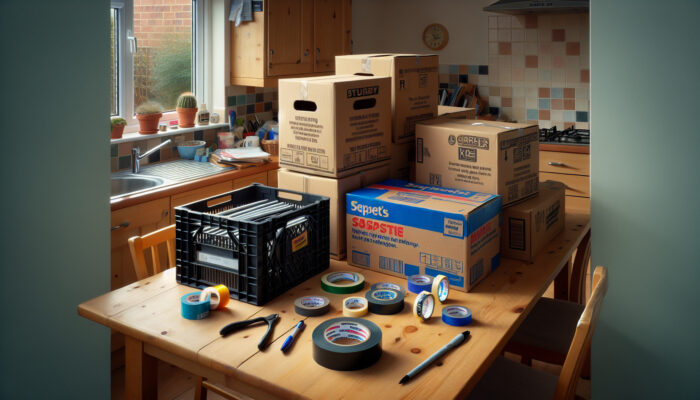
A successful house clearance process hinges on thorough preparation. Gathering and prioritising essential items is crucial for establishing an effective environment for decluttering. Start with robust boxes, reliable packing tape, and clear labels—these essential supplies are often found in many British households. For instance, families living in suburban areas frequently utilise cardboard boxes acquired from local supermarkets, while others might prefer durable plastic crates from DIY stores for added strength and longevity. While assembling these necessary items, ensure you include a permanent marker for clear labelling, which aids in identifying contents and assists in organising specific rooms during the packing process.
In addition to boxes and labels, gathering protective gloves and dust masks is wise, particularly when handling items that have remained untouched for extended periods. Older properties can harbour dust and allergens, making protective gear an essential consideration. By preparing these items ahead of time, you can kick-start the decluttering process seamlessly, empowering you to approach the task with confidence and efficiency.
How to Organise Your Space Effectively for House Clearance Success
Optimising the organisation of your space is vital for significantly reducing the time required for a successful house clearance. Begin by designating specific areas within each room for items you intend to keep, donate, or dispose of. This structured approach aligns perfectly with British organisational preferences, as many residents value a tidy, clutter-free environment. Consider utilising dedicated charity shop donation bags, especially in cities like London, where charitable contributions are actively encouraged and supported.
- Reduces the time spent searching for items.
- Minimises the risk of clutter creep.
- Encourages a clear vision of remaining items.
- Facilitates quicker decision-making.
- Helps maintain an orderly workspace.
By adhering to these organisational steps, you can create a more streamlined packing process. Moreover, implementing this organisational method can help you avoid common pitfalls that frequently arise during house clearances, such as losing track of where items belong, thereby ensuring a more efficient workflow.
What common challenges might you face during house clearance?
House clearance efforts in the UK often present unique challenges that can impede progress. One notable issue is the impact of adverse weather conditions, particularly in regions like Scotland and Wales, where rain is frequent. To effectively navigate this challenge, consider utilising indoor sorting methods, which allow for uninterrupted progress regardless of the weather outside. For instance, sorting through belongings in a spare room or garage can shield you from the elements, facilitating a more efficient and quicker clearance process.
In addition to weather-related challenges, emotional attachments to belongings can complicate decision-making. To address this, establish clear guidelines regarding what to keep, donate, or discard. Setting a timer for each item can encourage decisive action. By acknowledging these common challenges and applying effective solutions, you can considerably accelerate the house clearance process and reach your goals more efficiently.
What legal considerations should you keep in mind for house clearance in the UK?

Understanding the legal framework surrounding house clearance is vital for ensuring compliance and operational efficiency. In the UK, specific regulations govern waste disposal practices, requiring homeowners to engage licensed carriers for the removal of larger items, as stipulated by local councils. In urban areas like Birmingham, adherence to environmental laws is essential to avoid potential penalties. For instance, if you plan to dispose of bulky waste, ensure you have the appropriate documentation and are aware of any associated fees.
Moreover, familiarising yourself with your local council’s waste disposal guidelines can help avert unnecessary delays. Many councils offer services for collecting large items or designate recycling points, which can significantly streamline the clearance process. By understanding and complying with these legal considerations, you can enhance the efficiency and effectiveness of your house clearance efforts while avoiding potential fines.
How to Embrace Sustainable Disposal Practices During House Clearance in the UK
Sustainability is a significant concern for many residents across the UK, and incorporating eco-friendly disposal methods into your house clearance can substantially reduce your environmental footprint. Recycling through local authority schemes represents one effective approach to achieving this goal. For example, in the breathtaking Lake District, local councils provide comprehensive recycling services that encourage residents to dispose of their items responsibly. This practice not only supports national sustainability objectives but also allows homeowners to clear their spaces without contributing to landfill waste.
Additionally, consider donating usable items to local charities, as this not only helps reduce clutter but also supports community welfare initiatives. Numerous charity shops are eager to accept household items, clothing, and furniture, often providing convenient collection services. By embracing these sustainable disposal methods, UK residents can manage their house clearances responsibly while positively impacting their communities and the environment.
How Can House Clearance in the UK Enhance Your Efficiency?
What preliminary planning strategies can enhance your efficiency?

Effective preliminary planning is critical for optimising efficiency during a house clearance. Scheduling your clearance around bank holidays can significantly enhance the process, as many local council services tend to operate more effectively during these periods. By aligning your clearance with public holidays, you can take advantage of fewer distractions and greater availability of family members to assist you. For instance, the long weekend of the May Bank Holiday presents an excellent opportunity for families to tackle clearance tasks collaboratively.
Another essential aspect of planning involves understanding your local council’s waste collection schedule, which informs you of the best times to set out items for collection. By synchronising your clearance with these schedules, you can manage disposal more effectively and substantially reduce the effort required to transport items to recycling points. Thus, thoughtful planning can dramatically lessen the overall effort involved in the house clearance process, leading to a more efficient and satisfying experience.
What crucial tools can accelerate the house clearance process?
Utilising the right tools can greatly expedite the house clearance process. Many affordable options are readily available at UK high street stores, making them accessible for most residents. Items such as furniture sliders, which facilitate the movement of heavy items with ease, are invaluable in homes where space constraints are common, particularly in terraced houses. Additionally, hand trolleys are effective for transporting multiple items simultaneously, saving both time and effort during the clearance.
Investing in high-quality packing materials, including bubble wrap and sturdy tape, can also significantly accelerate the process. These tools not only protect your belongings but also ensure efficient packing. By employing these essential tools, homeowners can manage their furniture and belongings swiftly, thereby significantly reducing the time required for a successful house clearance.
How can you effectively track your progress during a house clearance?
Maintaining momentum throughout a house clearance requires measuring your progress effectively. One practical strategy is to break tasks down into manageable segments, similar to methods commonly employed during standard UK home moves. For example, focusing on one room at a time or addressing specific categories of items, such as clothing or books, can create a clear path forward, ensuring timely completion and minimising stress for families involved in the process.
Establishing specific, achievable goals for each segment can further enhance efficiency. For instance, aim to clear one room within a set timeframe, such as two hours. This approach fosters a sense of accomplishment, motivating you to continue with the task. By implementing these strategies for tracking progress, you can ensure a more efficient and fulfilling house clearance experience overall.
How can engaging with community recycling initiatives enhance your house clearance?
Participating in local recycling programmes can significantly optimise the efficiency of your house clearance efforts. Many communities across the UK actively promote recycling initiatives through organised schemes and partnerships with charities. For instance, in urban areas, local recycling centres typically accept a wide range of materials, simplifying the process of responsibly disposing of unwanted items.
By repurposing items through charity shops or participating in community recycling events, homeowners can reduce the number of trips required for waste disposal. This not only saves time but also aligns with British environmental policies advocating for recycling and waste reduction. Furthermore, engaging with these community schemes fosters camaraderie and promotes sustainable practices, ultimately making your house clearance both efficient and environmentally friendly.
Expert Strategies for Time-Saving Techniques in House Clearance
How do professional services enhance house clearance efficiency?
Engaging professional house clearance services can significantly enhance efficiency for homeowners. UK-based companies often provide swift pickups, offering solutions tailored to specific needs. For instance, many firms employ trained staff equipped to handle large or fragile items safely, minimising the risk of damage and facilitating a quicker clearance process.
Homeowners can seamlessly integrate these services into their routines by scheduling pickups in advance, allowing for a smooth transition from sorting to disposal. Many firms also offer same-day services, which can be particularly advantageous for those working under tight schedules. By leveraging the expertise of professional services, homeowners optimise their house clearance experience, ensuring faster results and better resource management throughout the process.
What top strategies can you adopt from reputable sources for efficient house clearance?
Several methods endorsed by respected British organisations can significantly reduce the time spent on house clearance while promoting sustainability. Grouping items for charity drives is a widely accepted practice, allowing families to swiftly identify belongings suitable for donation. For instance, many communities organise seasonal drives that encourage residents to declutter while simultaneously supporting local charities.
Additionally, another effective strategy involves utilising checklists, which can streamline the process by providing a clear action plan. Numerous online resources specifically tailored for UK residents outline steps for efficient house clearance. By implementing these strategies, you can minimise the time spent clearing your home while also contributing positively to your local community.
Why is waste reduction a vital focus during house clearance?
Focusing on waste reduction during house clearance is essential for both efficiency and environmental responsibility. UK authorities have established comprehensive recycling guidelines that can significantly expedite the clearance process by minimising trips to landfill. For instance, many councils provide designated bins for various materials, simplifying the process for residents to sort and dispose of waste responsibly.
Moreover, embracing waste reduction practices can yield long-term benefits for environmentally conscious households. By establishing a routine centred around recycling and responsible disposal, families can cultivate sustainable habits that extend beyond the clearance process. Ultimately, prioritising waste reduction not only benefits the environment but also enhances the overall efficiency of house clearances, leading to a more conscientious approach to waste management.
What innovative tools can facilitate quick sorting during house clearance?
Utilising innovative tools can greatly expedite the house clearance process. Many UK specialists recommend investing in portable sorters and labelling systems that promote rapid sorting. These tools streamline the process and ensure safer handling of items, reducing the likelihood of accidents during the clearance.
For example, employing clear bins with labels can help maintain organisation as you sort through belongings. This method enables you to quickly identify items and their designated areas, saving valuable time and effort. By integrating these innovative tools into your house clearance strategy, you can enhance space management and ensure a smoother, more efficient overall process.
What Best Practices Should You Follow for Quick House Clearance in the UK?
How to efficiently prioritise tasks during your house clearance?
Intelligent prioritisation of tasks is crucial for an efficient house clearance. In many British homes, certain areas, such as the kitchen in compact flats, often demand immediate attention due to their propensity for clutter accumulation. Begin by assessing which rooms require the most focus and address these areas first to expedite the process.
- Identify rooms that exhibit the highest congestion.
- Prioritise spaces that are used most frequently.
- Start with the smallest room to achieve quick wins.
- Focus on items that require immediate disposal to clear space.
By employing these practical tips for task prioritisation, you can maintain order throughout the clearance process and ensure a more streamlined and effective experience overall.
Why is family collaboration advantageous during house clearance?
Involving family members in the house clearance process aligns with UK family dynamics, especially during shared weekends when everyone can contribute. By dividing labour, you can complete clearances in busy homes more rapidly, alleviating some burdens often associated with this task.
Assigning specific roles to each family member promotes collaboration and makes the process more enjoyable. For instance, children can be tasked with sorting toys and books, while adults handle larger furniture items. This collective effort not only accelerates the clearance but also cultivates a sense of shared achievement, making the task less daunting for everyone involved.
What final checks should you perform before completing your house clearance?
Conducting thorough final checks before finalising the house clearance is vital for ensuring compliance with UK disposal regulations. This practice verifies that all items are sorted appropriately and that you have adhered to local guidelines, ensuring a seamless conclusion to the process. Pay particular attention to items that may require special disposal, such as electronics or hazardous materials.
By reviewing your sorted items against your local council’s regulations, you can avoid rework and uphold standards across diverse regional settings. This proactive approach not only saves time but also ensures that your house clearance process meets legal requirements, providing peace of mind as you effectively conclude your efforts.
How to Maintain Efficiency After House Clearance in the UK?
What long-term storage solutions can you implement to prevent clutter?
Embracing long-term storage solutions is essential for preventing future clutter build-up in UK homes. Space-saving options, such as organised attic storage, are common practices that enable residents to utilise vertical space effectively. Implementing clear storage systems in attics or utilising under-bed storage can help keep homes tidy with minimal ongoing effort.
Moreover, investing in multifunctional furniture can enhance storage capacity while maintaining a stylish aesthetic. For example, a bench with concealed storage can serve dual purposes, acting as both seating and a place to store seasonal items. By prioritising these long-term solutions, homeowners can preserve the benefits of their initial clearances and maintain a clutter-free environment over time.
What routine maintenance habits can you incorporate to sustain your efforts?
Incorporating simple habits into your routine can significantly aid in sustaining the benefits of initial house clearances over time. Regular decluttering sessions, inspired by popular British lifestyle trends, can help you stay vigilant against clutter accumulation. Setting aside time each month to evaluate your belongings ensures that you maintain a tidy space without necessitating extensive future clearances.
Engaging family members in these regular sessions can foster a culture of organisation within the household. Implementing a ‘one in, one out’ policy can further assist in managing belongings, ensuring that new items do not contribute to clutter. By adopting these maintenance tips, you can effectively preserve the efficiency achieved during your house clearance efforts.
How can you evaluate your approach to house clearance for continuous improvement?
Reflecting on the clearance process using feedback from UK experiences proves beneficial for refining your techniques. By analysing what worked well and identifying areas for improvement, you can develop a tailored approach for future projects. Consider maintaining a journal to document your progress and insights, allowing you to track changes and successes over time.
Furthermore, sharing experiences with friends, family, or local community groups can provide additional perspectives, enriching your understanding of effective clearance strategies. Continuous evaluation ensures that you can adapt and optimise your approach, leading to sustained time savings in subsequent house clearance projects.
What sustainable living practices should you adopt following house clearance?
After a house clearance, embracing sustainable practices is crucial for preserving efficiency and minimising ecological impact. Implementing effective recycling schemes that align with UK environmental policies can significantly contribute to a greener future. Make it a habit to sort items regularly for recycling, incorporating local council guidelines into your daily routine.
Investing in energy-efficient technologies can also enhance sustainability, reducing your household’s carbon footprint. For instance, using LED bulbs and energy-efficient appliances not only saves money but also supports long-term environmental goals. By committing to these sustainable living practices, you can maintain the positive outcomes of your house clearance and contribute to a more eco-conscious community.
Frequently Asked Questions (FAQs)
What is the most effective way to initiate a house clearance?
Begin the process by gathering essential supplies such as boxes, packing tape, and labels. Designate specific areas for items you wish to keep, donate, or dispose of, thereby making the process more organised and efficient.
How long does a typical house clearance take?
The duration of a house clearance varies based on the property size and the volume of belongings involved. On average, a clearance can take anywhere from a few hours to several days, depending on these factors.
Can I clear my house during inclement weather?
Yes, you can sort and organise indoors to avoid delays caused by adverse weather conditions. Utilising a garage or spare room can help you stay on track regardless of the climate.
What items are suitable for donation during a house clearance?
You can donate clothing, furniture, books, and household goods that are in good condition. Many charity shops across the UK appreciate such contributions and may even offer convenient collection services.
How do I find a reputable house clearance service?
Conduct thorough research on local services, read reviews, and ask for recommendations from friends or family. Ensure that the company is licensed and compliant with local waste disposal regulations to guarantee reliability.
Are there any legal requirements for house clearance in the UK?
Yes, homeowners must comply with local regulations regarding waste disposal. Using licensed carriers for large items and adhering to recycling guidelines is essential to avoid any potential penalties.
What are some eco-friendly disposal methods available?
Consider recycling through local authority schemes, donating items to charity shops, or engaging with upcycling services that repurpose unwanted items instead of sending them to landfill.
How often should I declutter my home?
Aim for regular decluttering sessions, ideally on a monthly or seasonal basis. This proactive practice helps maintain an organised home and prevents future clutter accumulation over time.
What should I do with hazardous waste?
Hazardous waste, including electronics or chemicals, should be disposed of according to local regulations. Many councils have designated drop-off points for such materials to ensure safe and responsible disposal.
Can I clear my house independently?
While it is possible to complete a house clearance on your own, enlisting the help of family or friends can make the process quicker and more manageable, especially for larger items that require additional support.
Connect with us on Facebook today!
The Article: Time-Saving Techniques for House Clearance: Quick Tips Was First Found At https://birminghamhouseclearance.com
The Article House Clearance: Quick Time-Saving Techniques You Need Was Found On https://limitsofstrategy.com