Last Updated on July 6, 2026 by David
Gaining a clear understanding of the expenses involved in Minton tile restoration can be quite intricate. While a Victorian hallway may seem to require a simple service, each quotation can include varying levels of repair, cleaning, tile matching, and finishing work. The final cost is often determined by the floor’s underlying condition, which may involve issues such as outdated waxes, acrylic coatings, unstable tiles, worn joints, missing pattern pieces, wear on unglazed clay surfaces, the absence of a damp proof membrane (DPM) to prevent moisture migration, and the imperative for breathable sealers. Each of these factors significantly influences the labour required, the associated risks, and the overall value of the restoration project.
What Contributes to the Discrepancies in Quotes for Victorian Tile Restoration, Despite Their Similar Appearance?
When your Victorian tiled floor appears to be a single project but each quote details different tasks, the differences typically arise from the unique evaluations conducted by various contractors. From a distance, a hallway may look dull, dirty, or uneven. upon closer inspection, issues such as faded colours, loose sections, outdated grout gaps, and surface build-up become apparent, all of which significantly impact the cost. A low estimate may consider the floor as a uniform cleaning task, whereas a more meticulous quotation will identify and address these specific problems, each requiring a tailored solution.
How Does Visible Wear Influence the Costs of Minton Tile Restoration?
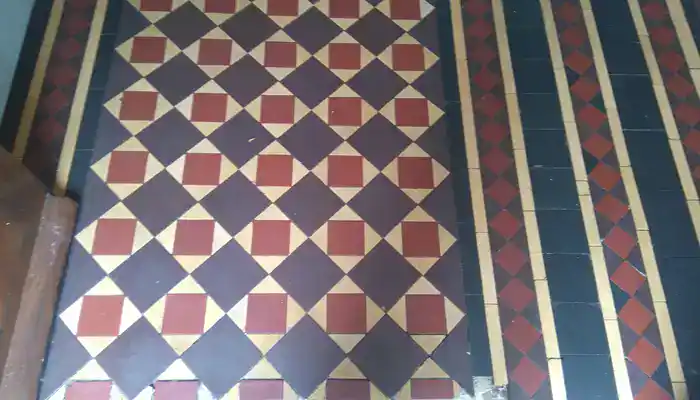
When evaluating the costs of Minton tile restoration, the most critical aspect is the visible problems that the quotation aims to resolve. A Victorian tiled hallway might seem like a single worn surface, but a detailed examination can uncover numerous cost factors: faded colours, uneven repairs, damaged grout lines, missing tiles, loose sections, and accumulated surface residues. A lower quote might simply propose a general cleaning service, while a more detailed estimate could take into consideration several visible defects that will affect both the final appearance and the long-term value of the restoration.
If your Minton floor displays uneven patches of dull red, buff, or black, the issue may go beyond mere surface dirt. Historic hallway floors often exhibit signs of years of wear, neglect, uneven colouration, and damage, particularly in high-traffic areas like entryways, staircases, and main rooms. This detail is crucial when comparing quotes, as the contractor must provide realistic expectations for improvements rather than promising an unrealistic, brand-new finish that the original floor cannot attain.
Heavy foot traffic complicates the assessment of value, differentiating between what restoration can enhance and what age has irreparably marked. Subtle wear patterns and softened traffic lanes narrate the history of the floor. Surface grime, residues, and worn coatings can often be visually assessed. Quotes differ when one contractor charges for a quick touch-up, while another allocates sufficient time to balance the colour, being honest about the permanent characteristics of the tiles.
In What Ways Do Surface Residues Affect Restoration Costs and Overall Value?
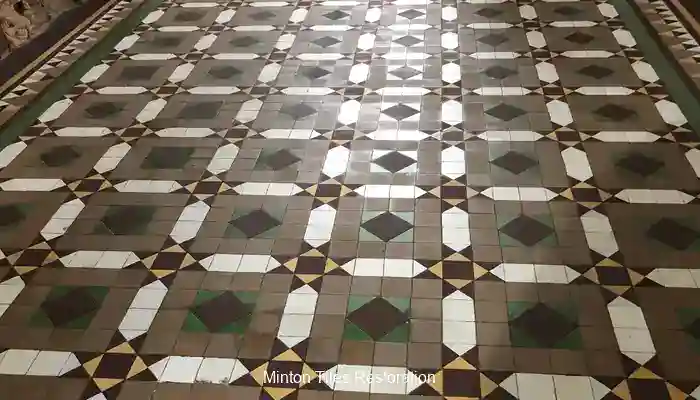
If certain areas of your floor appear shiny while others seem dull or sticky, old coatings may be influencing the price. Accumulated wax, acrylic sealers, outdated cleaning products, grime, and residues can cause Victorian and Minton tiles to look darker, flatter, or more stained than they actually are. This build-up impacts restoration costs because removing it safely requires more effort than a simple wash, and improper removal can leave the finished surface looking uneven.
Old surface layers complicate value assessments before the work begins. A contractor may find it challenging to determine if the colour is intact, faded, worn, or stained until they conduct a thorough evaluation of the coating. A comprehensive quote may include allowances for sealer removal, softening and scrubbing, residue control, and final maintenance instructions. A cheaper quote that neglects this aspect might seem appealing until the floor dries unevenly or remnants of old coatings are visible at edges and corners.
How Do Missing Tiles and Pattern Integrity Affect Repair Costs?
If your hallway contains small gaps, mismatched patches, or missing border pieces, the repair costs may be more significant than the extent of the damage initially suggests. The value of a Minton floor lies in its cohesive design rather than in individual tiles. Factors such as matching reproduction tiles, reclaimed pieces, sourcing replacement tiles, existing pattern lines, and continuity of design all markedly influence costs. A single incorrect colour, size, or angle can attract more attention than the original gap.
Tile matching raises costs because it involves more than merely filling a void. The contractor must consider colour, thickness, edge wear, grouted finish, repairs surrounding the missing area, and how the new or reclaimed piece integrates with existing tiles. Evidence-based examples, such as worn Victorian tiles and Minton floor restoration, illustrate that the visibility of repairs is as critical as the repairs themselves; technically sound repairs can diminish visual value if the original pattern is not respected.
What Role Do Damaged Grout Lines Play in Restoration Quotes?
If the grout lines show signs of cracking, powderiness, absence, or significant discolouration, the quote will likely encompass more than just a cosmetic clean. Old grout, open gaps, deterioration, and discoloured joints can give a Victorian tiled floor a worn appearance, but they also impact the overall stability and aesthetic of the restored floor. Refreshing grout or regrouting adds to the cost because the joints must be enhanced without altering the historic lines to appear overly wide, bright, or modern.
Joint work becomes a more significant factor in value when it accompanies loose, chipped, or cracked tiles. The matching grout must visually support the original layout, while the work must avoid surface smudges, visible bands, or damage to adjacent tile edges. A quote that merely mentions “regrout” is not always comparable to one that includes selective old grout removal, precise joint control, and careful colour matching.
What Are the Cost and Risk Implications Associated with Loose Tiles and Raised Edges?
If individual tiles feel loose, sound hollow, or sit higher than the surrounding floor, the price may reflect risk rather than just aesthetics. Loose tiles, raised areas, sunken patches, cracks, and shifting edges can all affect a contractor’s willingness to guarantee the work. Even when the visible area is minimal, instability can alter the cost because it influences how the floor can be cleaned, repaired, and finished.
The instability of loose tiles also determines whether the completed restoration represents good value. A floor can appear cleaner, brighter, and more appealing, but moving sections may still fail if left unaddressed. A more transparent quote may seem higher because it includes considerations for repair areas, regrouting decisions, and the limits of restoration that are not immediately visible from a single photograph.
How Do Moisture Indicators and Breathable Finishes Affect Cost?
If your hallway presents white deposits, damp patches, or peeling old coatings, the choice of finish can significantly influence both cost and value. Many original Victorian tiles were installed without a DPM, making factors like dampness, salts, drying time, winter rainfall, and moisture meter readings critical before any sealing decisions are made. A moisture-affected floor cannot be priced the same as a modern dry installation with a straightforward surface coating.
Choosing breathable protection enhances value when the floor is still managing moisture, as the sealer allows the floor to breathe — moisture can pass through as intended. Variables influencing pricing include fully breathable impregnating sealers, water vapour movement, surface moisture checks, floor drying confirmation, and stain repellency. The hidden risks of inappropriate glossy finishes are discussed in Victorian tile sealer problems often start below, emphasising why cheaper, finish-focused quotes require careful scrutiny.
How Do Coatings, Loose Tiles, Grout Work, and Tile Matching Influence Restoration Costs?
Even when two Minton floors appear similarly worn, the restoration costs can still vary considerably once hidden labour is taken into account. Old waxes, acrylic sealers, residues, grime, and layers of sealer can obscure the true surface of the tiles, while loose tiles and fragile edges pose risks during aggressive cleaning methods. Victorian encaustic and geometric tiles are clay-fired at high temperatures; their fired surfaces are chemically stable but physically vulnerable to abrasion and incompatible with acidic cleaning methods.
The price changes when hidden labour is necessary, not merely because the tiles appear aged.
Worn joints affect the quotation as refreshing or regrouting must respect old grout gaps, surrounding tiles, and the fine joint character of the original floor. Missing tiles introduce another pricing variable, as matching reproduction tiles or reclaimed replacements must closely align with the existing pattern, colour, and thickness to protect the floor’s value. Examples of colour restoration, such as patchy Victorian tile cleaning that reveals Minton colour, demonstrate that visible results depend on condition rather than just square footage.
Why Should You Be Wary of Low Quotes for Minton Tile Restoration?
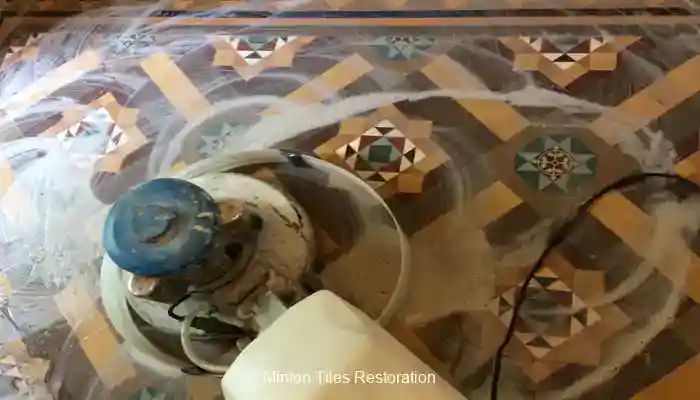
A low-cost quote for Victorian tile restoration can lead to higher expenses if it overlooks critical issues that safeguard the floor’s long-term value. Basic cosmetic enhancements may suffice for a stable floor with minimal residue and intact joints. Comprehensive restoration, however, necessitates greater allowances for old coatings, loose sections, matching grout, missing pieces, and realistic expectations regarding finishes. High-risk work arises when a quote promises transformative changes without clarifying what can be improved and what cannot be reverted.
The contractor’s expertise plays a crucial role, as poor decisions regarding unglazed clay, historic floors lacking a DPM, cracked joints, and replacement pieces can be challenging to rectify. A thorough specification should clearly outline cleaning, repair limits, coating removal, joint work, and finish expectations, rather than grouping everything into a vague promise. The safer method’s boundaries are outlined in how to restore Victorian floor tiles safely, providing guidance to evaluate whether a low price is genuinely effective or simply under-specified.
How Can You Effectively Compare Minton Tile Restoration Costs with Replacement Values?
When assessing restoration costs against replacement, the primary consideration is which option preserves the floor’s value while minimising unnecessary disruption. Restoration maintains the original pattern, colour variations, worn character, and period layout while enhancing the floor for regular use. My experience suggests that the best value often comes from preserving sound original materials and replacing only the missing pieces that disrupt the design.
Replacement can address severe damage but may also lead to mismatches, disturbances, and loss of original details. Replacement depends on tile availability, matching reproduction tiles, sourcing replacement tiles, maintaining pattern accuracy, ensuring a grouted finish, and seamlessly integrating the new work with the existing floor. This decision should consider long-term value rather than just today’s costs, as original Minton floors have a character that a new surface rarely replicates convincingly.
What Essential Elements Should You Look for in a Trustworthy Victorian Tile Restoration Quote?
Before accepting a Victorian or Minton tile restoration quote, ensure it clearly outlines the value issues alongside the cost. A comprehensive quote should connect the visible condition to the allowances being made, enabling you to comprehend why one contractor may be cheaper, more expensive, or more cautious than another. Follow this diagnostic sequence before consenting to the work:
- Verify if the quote identifies the visible condition: worn colour, old coatings, damaged joints, loose areas, missing pieces, or signs of moisture.
- Ensure the repair limits are stated honestly, particularly where dishing, long-term wear, or colour variations will remain apparent.
- Confirm that tile matching is described in terms of colour, size, thickness, pattern continuity, and how replacement pieces will integrate.
- Check if joint work is distinguished from general cleaning, including old grout, matching grout, grout gaps, and surrounding tiles.
- Ensure coating removal and finish choices are transparently explained without promising a new-looking surface.
The quality of a quote improves when the contractor articulates the condition, repair limits, matching work, old surface build-up, and anticipated finish using clear language. The broader context of diagnostic and care is addressed in the Victorian and Minton tile cleaning hub, helping to differentiate a properly specified restoration quote from a general cleaning price. Guidance on colour loss, such as Victorian tile colour loss often is not permanent, also highlights the importance of establishing realistic expectations before determining whether the quoted cost represents good value.
David Allen — Abbey Floor Care
David Allen has specialised in Victorian tile floors throughout the UK for over 30 years with Abbey Floor Care. His extensive practical experience in material behaviour, restoration sequencing, and long-term floor care informs every article published under the Abbey Floor Care name.
The Article Victorian Tile Restoration Cost Hides Real Risks first appeared on https://www.abbeyfloorcare.co.uk
The Article Victorian Tile Restoration Cost Reveals Hidden Risks appeared first on https://fabritec.org
The Article Victorian Tile Restoration Cost: Uncover Hidden Risks Was Found On https://limitsofstrategy.com
The Article Victorian Tile Restoration Costs and Hidden Risks Explained found first on https://electroquench.com